Hey everyone! I’ve been researching master’s applications in Spain recently and came across a fascinating topic I wanted to share. I used to think that Spanish university programs had a fixed curriculum, where you just pick a major and see it through. But after digging deeper, I discovered that many public and private universities are offering ‘personalized educational paths’—perfect for anyone who struggles with choosing a single focus or wants to pursue interdisciplinary studies!
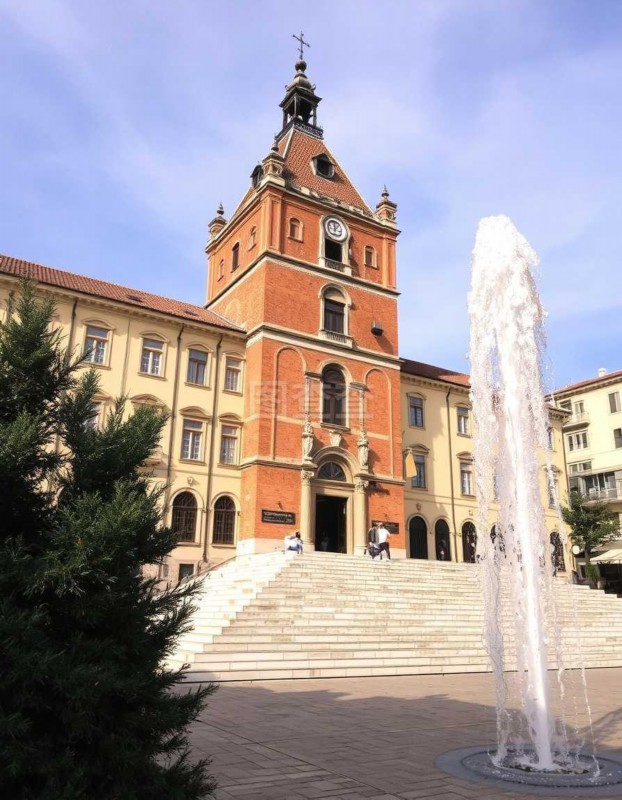
What Exactly Is a “Personalized Educational Path”?
Simply put, it’s more than just taking a few extra electives. It allows you to specialize in a specific area within a broader field of study, based on your personal interests and career goals. This specialization is officially noted on your diploma or academic transcript, making it a unique highlight on your resume. For instance, you could be enrolled in a Master’s in ‘Business Administration’ but choose to specialize in ‘Sustainable Development and Corporate Social Responsibility’ or ‘Fintech.’ This makes your degree more focused and, in my opinion, more valuable.
Which Universities and Specializations Are Worth Checking Out?
Many universities actually offer these, though the terminology varies. Some call it a ‘Mención en…’ (Specialization in…), while others simply use ‘Itinerario’ (Path). The key is to carefully review the ‘Plan de Estudios’ (curriculum) on the official website before you apply. I’ve compiled a simple table inspired by my research into Spanish university courses and looking at programs like the official master’s programs at the University of Valencia to give you an idea of how cool these combinations can be:
| Field of Study | Available Personalized Tracks | Potential Career Paths |
|---|
| Business Administration | Digital Marketing & Data Analytics | Growth Hacker, Data-Driven Marketing Manager |
| Journalism | Podcasting & New Media Narratives | Independent Content Creator, New Media Director |
| Computer Science | AI Ethics & Applications | AI Product Manager, Tech Policy Advisor |
| Art & Design | Interactive Experience & Virtual Reality | VR/AR Designer, UX Researcher |
How to Find and Apply for These Courses?
Step one: dig through the official website! On the program page you’re interested in, look for terms like ‘Plan de Estudios’ or ‘Asignaturas’ (Subjects), which usually detail the different paths. Step two: be proactive and email the program coordinator. Ask them directly if different specializations are offered, how the curriculum for each track is structured, and what the requirements are to enroll in one—for instance, if you’re looking at university courses for tourism in Spain. They are usually very helpful. Don’t be shy—this can get you firsthand information that isn’t even on the website!
The Pros and Cons of Personalized Courses
This model has both its upsides and downsides. The benefits are clear: your studies align perfectly with your career goals, and you learn subjects you’re genuinely passionate about. However, the challenges are also significant. It requires you to have a relatively clear plan from the get-go. Some might think these courses sound watered-down, but it’s quite the opposite. They demand more proactive learning and research; otherwise, it’s easy to get lost. All in all, I believe this model is perfect for students who have a vision for their future and refuse to just follow the crowd. It provides a platform to truly craft your degree into a unique, personal brand. Anyone here taken a similar course? I’d love to hear about your experience!
