Hello everyone! After lurking for a while, I wanted to share my experience with official university language programs in Spain. I needed to improve my Spanish to apply for a Master’s degree, and after much deliberation, I chose a university’s own language center over a private language school. It turned out to be the right choice for me, and I hope my story can help others planning to come here.
Why Choose a University Language Center?
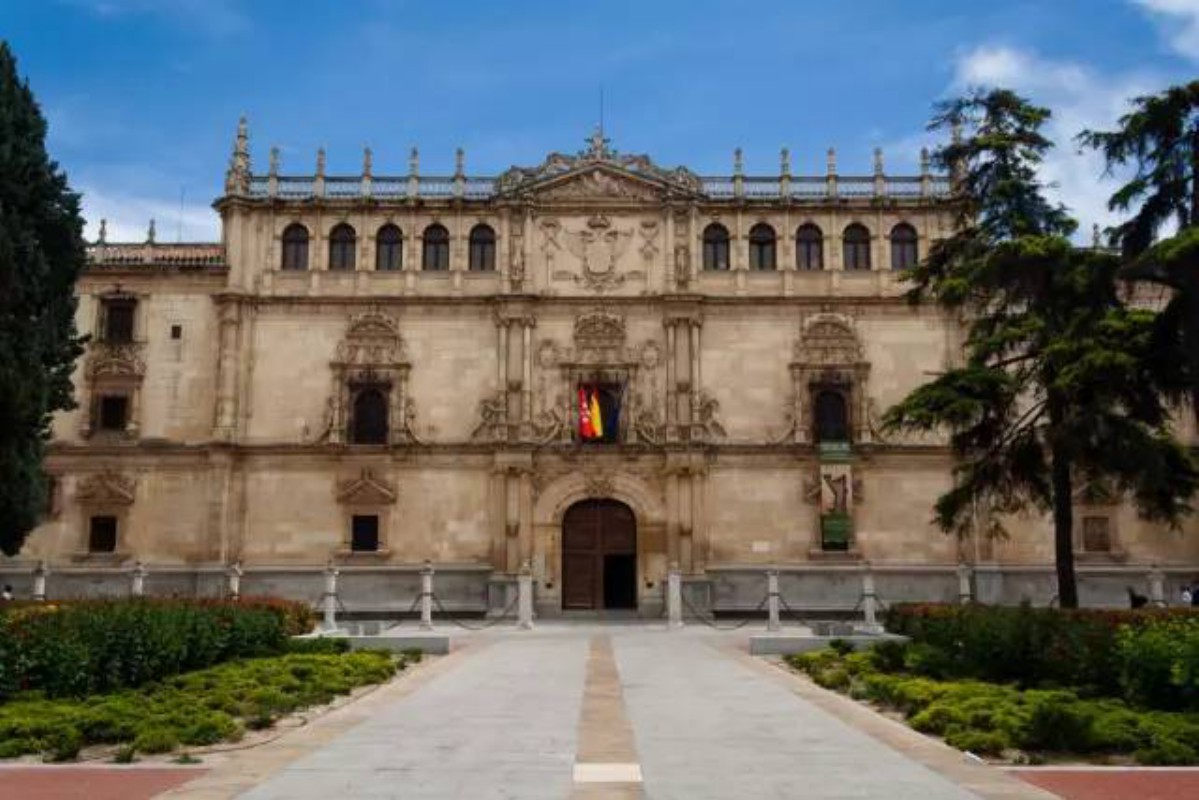
The main reasons are the academic atmosphere and resources. Taking classes on campus makes you feel like a ‘pre-university student,’ with access to the university’s library, canteens, and gym. You can also join various cultural activities organized by the school. This is a perfect transition for students who want to adapt to the university environment in advance. Moreover, the course completion certificates and proficiency levels awarded by a university language center are more widely recognized when applying for postgraduate programs at the same or other universities.
University Language Centers vs. Private Language Schools
To make it clearer, I’ve created a simple comparison table that highlights the pros and cons at a glance:
| Feature | University Language Center | Private Language School |
|---|
| Atmosphere | Academic, rigorous | Lively, socially oriented |
| Tuition Fees | Generally higher | Wide price range, options for all budgets |
| Faculty | Usually university linguistics professors | Quality can be inconsistent |
| Certificate Recognition | High official recognition | Depends mainly on Cervantes Institute accreditation |
| Flexibility | Fixed start dates | Flexible course schedules and durations |
How to Choose and Apply?
Many universities in Spain have their own language centers, with famous ones including the University of Salamanca, the University of Barcelona, and the Complutense University of Madrid. You can choose one based on the city you prefer or the master’s program you plan to apply for in the future. The application process is generally similar across institutions: you fill out an online application form, upload your passport, pay a deposit for the tuition, and then the university will send you the letter of acceptance needed for your visa application. The process isn’t overly complicated, but it’s crucial to allow plenty of time and not wait until the last minute for your visa.
The Real Classroom Experience
My class was like a little United Nations, with students from all over the world. The teachers were very professional. In addition to the textbook material for Spanish university courses, they also covered a lot about Spanish history, culture, and current social issues, which greatly helped me understand the context for my master’s studies later on. The curriculum was very systematic, covering listening, speaking, reading, and writing, with a special emphasis on grammatical precision and formal writing. If your goal is to pass the DELE or SIELE exams for programs like the University of Valencia’s official master’s programs, a university language program offers more targeted preparation. Of course, there are downsides. For instance, the pace of some programs, like certain university tourism programs in Spain, might feel a bit slower compared to the ‘crash course’ style of private schools. But for me, slow and steady wins the race; building a strong foundation is what matters most.
My experience at the university language center was incredibly rewarding. It not only improved my language skills but also helped me integrate into Spanish university life ahead of time. If you’re planning on long-term study in Spain, I highly recommend this path. Does anyone have a similar experience or any questions? Feel free to leave a comment below to discuss!
