A lot of prospective students have been asking me lately: what do you actually study in a tourism degree program at a Spanish university? It sounds like a ‘fun’ major—are you just visiting tourist spots all day? Haha, as someone who’s been through it, I’m here to break down our real course schedule. Hope this helps you if you’re in the process of choosing your major.
Foundational Stage
Don’t expect to be out exploring every day in your first two years. The university schedules a heavy load of foundational theory courses designed to build a solid knowledge base. These courses are broad, sometimes even a bit ‘dry,’ but they are all crucial. Pretty much every university’s tourism program includes these staples: Macro/Microeconomics, Fundamentals of Business Administration, Tourism Law, Statistics, World Tourism Geography, Principles of Marketing, and of course, Spanish and a second foreign language.
How Demanding Are the Core Courses?
For instance, the tourism department at the Complutense University of Madrid includes tough courses like ‘Introducción a la Economía’ (Introduction to Economics) and ‘Estructura Social’ (Social Structure) right in the first year. So, for anyone interested in Spanish university courses, be prepared—slacking off is not an option, and you might find it challenging if you’re not strong in math!
Specialization and Practical Application
By the third year, the courses become much more interesting and specific! You’ll delve into subjects directly related to the tourism industry. At this stage, you can choose a specialization based on your interests, such as hotel management, travel agency operations, event management, or cultural heritage tourism. The coursework becomes highly practical, with classes like ‘Dirección Hotelera’ (Hotel Management), ‘Gestión de Eventos’ (Event Management), and ‘Marketing Turístico’ (Tourism Marketing). Here are some common specialization options, which may vary by university:
| Specialization | Example Core Courses |
|---|
| Hotel Management | Revenue Management, Food & Beverage Management |
| Marketing & Promotion | Digital Marketing, Tourism Product Creation |
| Cultural Heritage | Heritage Interpretation, Cultural Tourism |
The most crucial part is the internship in your third or fourth year! It is mandatory, as highlighted in discussions about programs like the official master’s programs at the University of Valencia, and it’s the best opportunity to apply theoretical knowledge to a real work environment. Many students find their first job after graduation through their internship, a common experience for those in tourism degree programs in Spain. Therefore, choosing the right company for your internship is vital, so be sure to plan ahead.
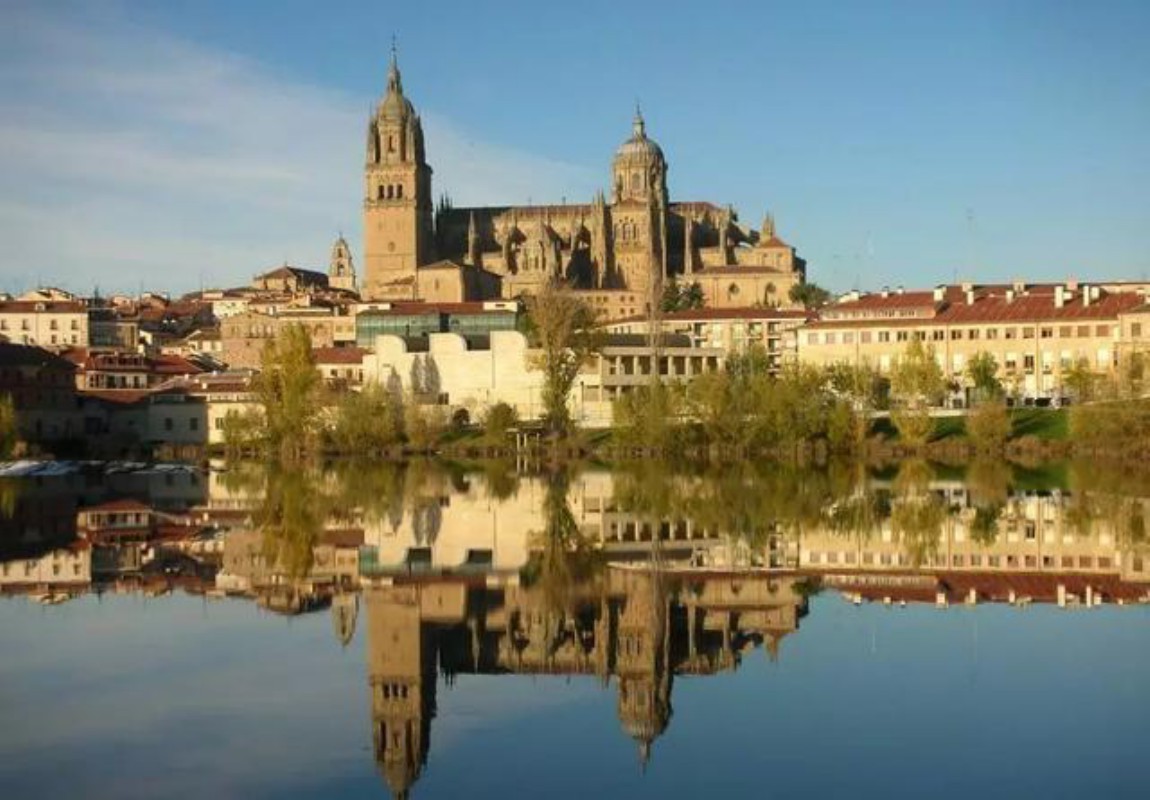
Spain’s tourism degree is a major that closely integrates theory with practice. It requires both the logical thinking of a business student and the passion and communication skills of someone in the service industry. I hope this curriculum ‘spoiler’ has been helpful! Feel free to leave a comment below to discuss and share your own course experiences at different universities
!
