Lately, several friends on the forum have sent me private messages asking if graduating from a culinary school in Spain automatically means landing a job in a Michelin-starred restaurant and living happily ever after. Every time I see this question, I feel the need to start a dedicated thread to discuss the real employment situation for culinary graduates in Spain, hoping to help those with a ’chef’s dream.'
First, let’s be clear: Spain is indeed a culinary paradise, home to world-class restaurants and chefs. But this doesn’t mean culinary graduates can easily find their dream job. The reality is that the industry is extremely competitive. While a prestigious school provides a foundation and a platform—similar to how students often look at Spanish university rankings and employment—what truly determines your future is your passion, hard work, and a touch of talent. Don’t fall for the fantasy of becoming a master chef right after graduation. Starting out with menial tasks in the kitchen—peeling potatoes and chopping onions—is the norm, and only a few have the perseverance to make it through.
Speaking of schools, there are two main types of choices in Spain: one is a top-tier institution like the Basque Culinary Center, and the other is an internationally renowned vocational school like Le Cordon Bleu. They have different focuses, tuition fees, and training objectives. I’ve made a simple comparison for your reference:
| School Name | Key Features |
|---|
| Basque Culinary Center | Blends academic and practical learning, focusing on gastronomic sciences, innovation, and management. Offers a four-year university degree. |
| Le Cordon Bleu Madrid | Focuses on traditional French pastry and cuisine techniques. Shorter, more vocational-oriented programs. |
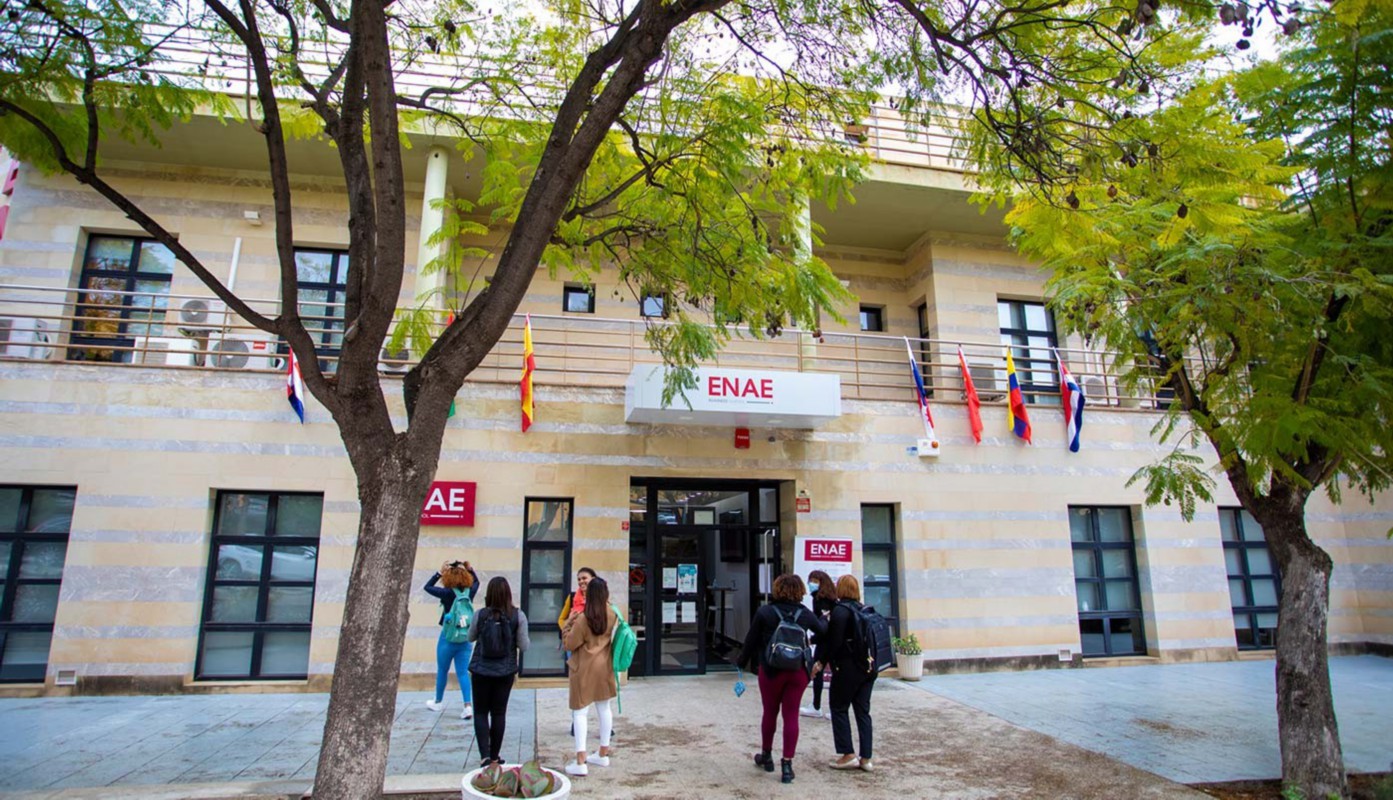
Main Career Paths for Graduates
That’s not to say you’re destined for a high-pressure kitchen battle right after graduation. The career paths for a culinary professional are quite broad, extending far beyond just being a chef.
The Traditional Chef Route
This is the first choice for most graduates, a trend often reflected in Spanish university employability rankings. It starts with an internship, working your way up in regular restaurants or hotels, or trying to break into a starred establishment. This path is tough, but if you truly love cooking, the sense of achievement is unparalleled. Be prepared, though: the starting salary isn’t high, and getting rich overnight is not an option.
Diverse Career Paths
Besides cooking, you can also consider:
- Food & Beverage Management: Transitioning to front-of-house or operational management roles in restaurants and hotels.
- Culinary R&D: Joining food companies to develop new dishes and products.
- Food Media: Becoming a food blogger, editor, or photographer.
- Entrepreneurship: Opening your own small restaurant, pastry shop, or studio.
- Culinary Education: Teaching at your alma mater or other training institutions.
Studying culinary arts in Spain is an excellent choice; the country offers world-class resources and a vibrant atmosphere, which contributes to positive Spanish university employment rates. However, your future ultimately depends on you. School is just the starting point. Continuous learning, networking, and developing a unique style are the keys to success. I hope this post has been insightful.
Do you have friends working in the Spanish food and beverage industry? Feel free to share their real experiences in the comments below
!
