I’ve often been asked by friends: what’s it like to study art in Spain? Whenever this topic comes up, I can’t help but think of Spain as a giant living museum. From Goya and Velázquez to Picasso and Dalí, art is deeply embedded in its cultural DNA. That’s why choosing to study art here is an absolutely fantastic decision.
Compared to the high tuition and living costs in the UK and the US, Spain is incredibly cost-effective. Moreover, its art education, including programs at Spanish universities for game art design, strongly emphasizes practice and innovation, and is far from rigid. While you can check the rankings of Spanish art universities, what’s truly valuable is the immersion in pure European artistic heritage, blended with the vibrant influences of Southern Europe, North Africa, and Latin America, which is a huge boost for creative inspiration.
A Few Noteworthy Art Schools
When it comes to specific schools, the art departments in public universities are generally excellent. Beyond just looking at the requirements for university art groups in Spain, I’ve compiled a list of a few frequently applied-to and well-regarded universities for your reference:
| University Name | Key Program Areas | City |
|---|
| Complutense University of Madrid | Fine Arts, Art History, Design | Madrid |
| Polytechnic University of Valencia | Fine Arts, Design Engineering, Cultural Heritage Restoration | Valencia |
| University of Barcelona | Fine Arts, Design, Image Management and Dissemination | Barcelona |
Of course, this is just the tip of the iceberg, as each university has its own focus. For example, the Fine Arts program at the Complutense University is rich in history and tradition, while the Faculty of Fine Arts at the Polytechnic University of Valencia is very modern with excellent facilities.
In addition to these comprehensive universities, Barcelona and Madrid are also home to many top private design schools, such as IED and ELISAVA. They have significant strengths in fields like fashion design, interaction design, and product design. Therefore, it’s crucial to have a clear idea of your future career path before choosing a school.
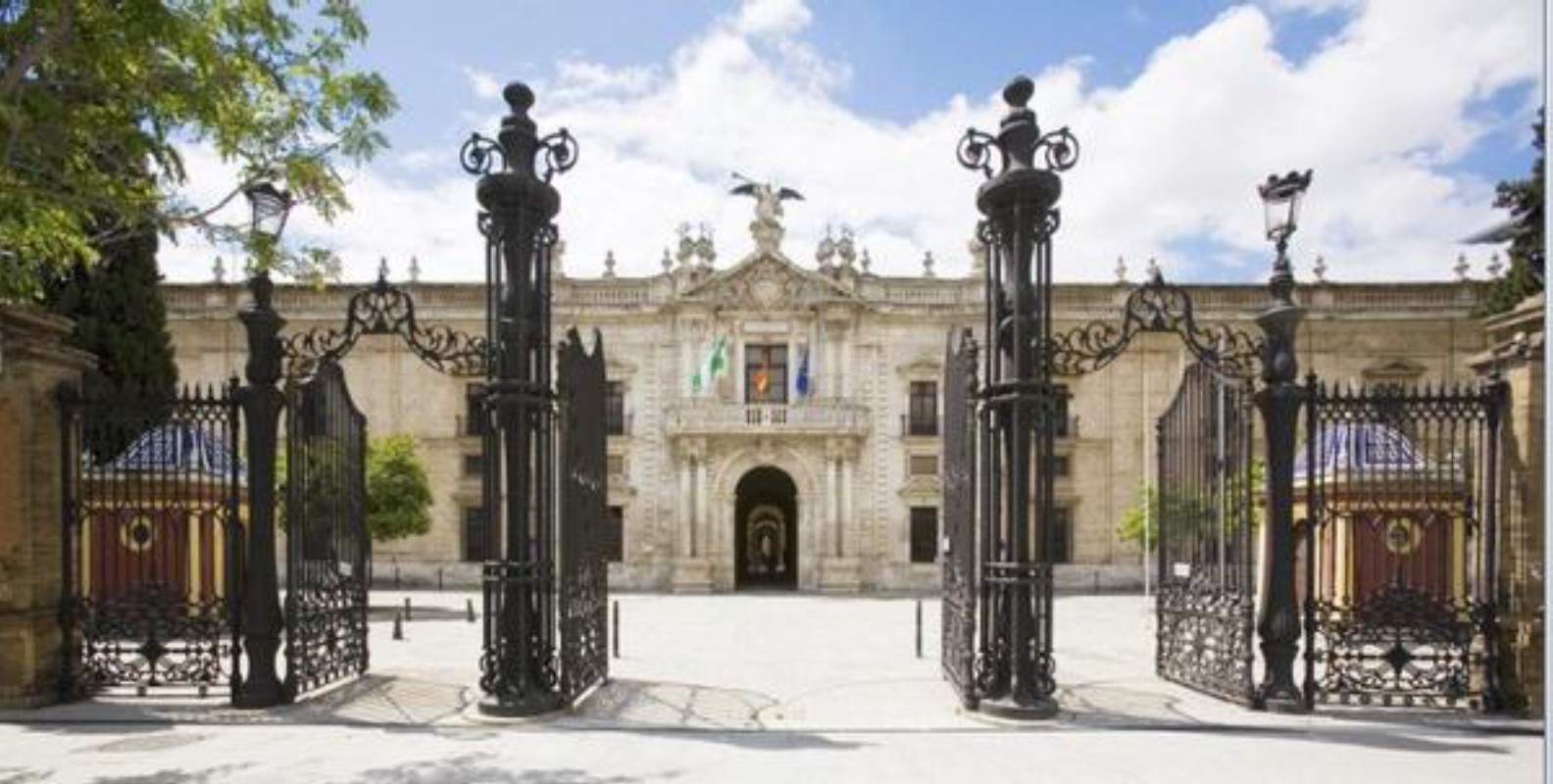
One final piece of advice: when applying for art programs in Spain, language proficiency is just the first step. Don’t assume knowing Spanish is all you need. What truly determines your success is your portfolio! You must prepare it meticulously, ensuring it showcases your ideas, creativity, and foundational skills. I hope this information is helpful to you. I also welcome current art students or graduates to share their experiences and insights in the comments below. Let’s connect!
