Recently, there have been more and more posts in the forums about children’s education, especially regarding university applications. Just the other day, a friend asked me if his child, who just obtained Spanish citizenship, is now guaranteed a spot in university, making it much easier than for foreign students like us with residency permits. This is a very common question, so I’d like to share my understanding. I welcome everyone to join the discussion.
First, let’s be clear: once a child has Spanish citizenship, the ‘track’ to university changes completely. They no longer follow the path familiar to us as foreign students. Instead, they enter the native Spanish student system, which means they must take the Spanish university entrance exam—EBAU , more commonly known as Selectividad.
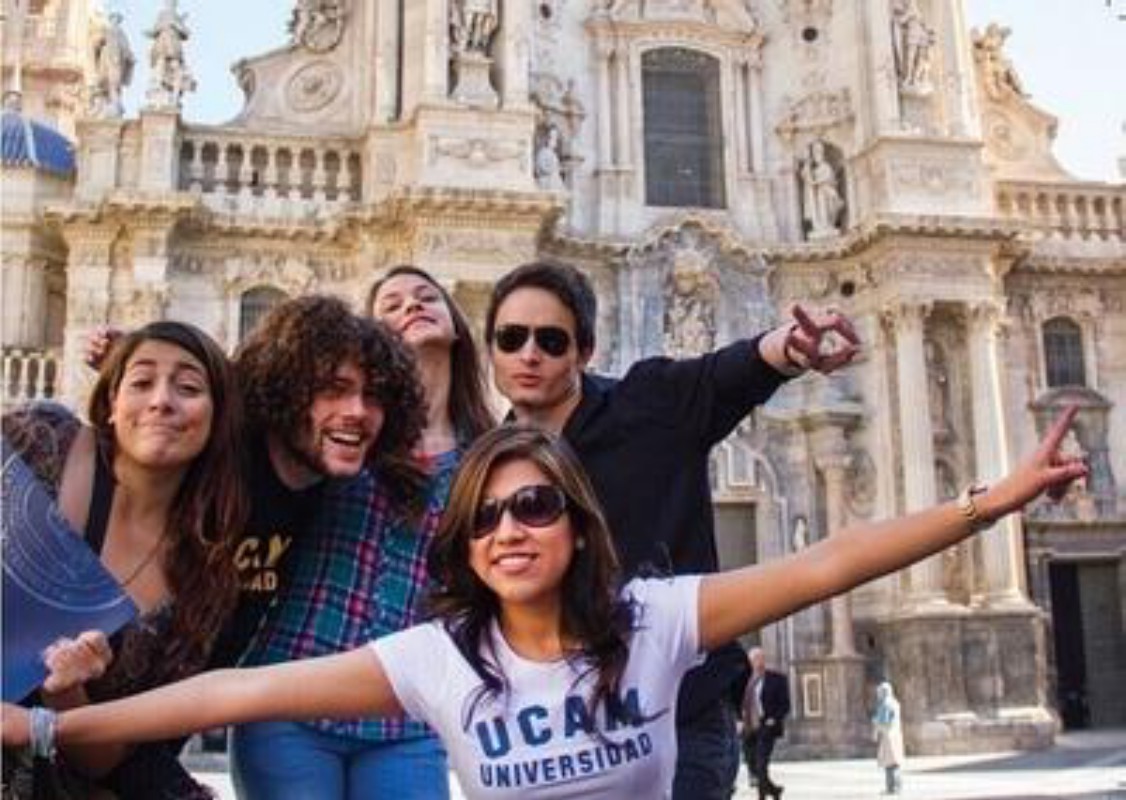
The EBAU tests knowledge from the two years of Spanish high school (Bachillerato). This means your child needs to complete the full Spanish high school curriculum and compete with local students in Spanish. It’s a completely different concept from the process for international students, who get their high school diplomas from their home country homologated and then take a few PCE exams for extra points. Therefore, regarding Spanish for university, the idea that ‘having citizenship makes it easy’ is a misconception. The advantage is that there are more admission slots available, which means greater university admission chances; but the challenge is equally significant: the child must fully integrate into the Spanish education system.
Comparison of University Admission Pathways
To make it clearer, here is a simple comparison table:
| Status | Main Pathway | Core Exam | Notes |
|---|
| Spanish/EU Citizen | Bachillerato + EBAU | EBAU | Standard Spanish university entrance exam, based on the Spanish high school curriculum. |
| Non-EU Citizen | Diploma Homologation + PCE | PCE | Homologation of home country’s high school diploma, plus PCE exams for specific subjects to boost the final score. |
A Few Suggestions for Parents
So, if your child has or is about to obtain Spanish citizenship and plans to attend university here, my advice is: Plan as early as possible
!
- Language is the absolute foundation: You must ensure your child has a near-native level of Spanish proficiency to understand the high school curriculum.
- Integrate into the local education system early: If possible, it’s best to have your child attend high school (Bachillerato)
in Spain. This will ensure a seamless transition to preparing for the EBAU. If they complete high school abroad and then come here, facing the EBAU directly will be extremely challenging.
- Don’t treat citizenship as a ‘shortcut’: Citizenship resolves the ‘legal status’ issue, not the ‘academic’ one. Ultimately, what determines admission to a good university is the student’s academic performance.
Spanish citizenship certainly opens the door to the local university system and offers more possibilities. However, behind this door lies a path that requires equal, if not more, effort. I hope this information is helpful for families who are currently planning, and I welcome parents with experience to add their insights or make corrections!
