Lately, there have been more and more discussions about studying abroad and higher education on the forums. A common question we see is: “How good are Spanish universities? Do they rank high globally?” Indeed, for those of us working abroad or planning to pursue further studies in Spain, university rankings are an unavoidable topic. They serve as a straightforward reference point, helping us quickly grasp a school’s overall strength through its Spanish university world rankings. But are these rankings the be-all and end-all? Let’s dive into this topic today.
When it comes to global university rankings, the most famous are the QS, THE, and ARWU (Shanghai Ranking). On these lists, while Spanish universities may not dominate the top spots like their UK and US counterparts, a good number consistently make it into the global top 500 each year. For instance, well-known institutions like the University of Barcelona, the Complutense University of Madrid, and the Autonomous University of Barcelona are perennial leaders in Spanish higher education.
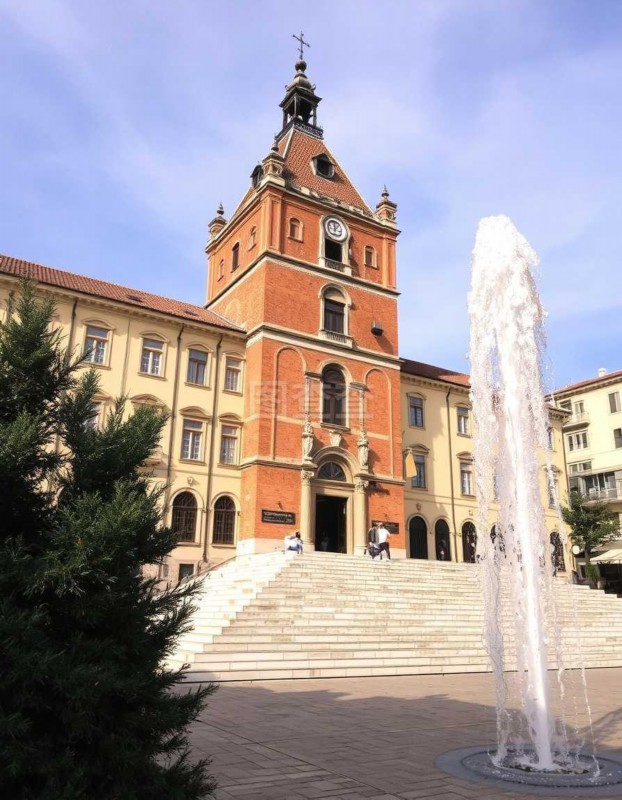
To give you a clearer picture, I’ve compiled a list of some of the top-ranked Spanish universities from the 2024 QS World University Rankings for your reference:
| University Name | City | 2024 QS World Ranking |
|---|
| Autonomous University of Barcelona | Barcelona | 149 |
| University of Barcelona | Barcelona | 164 |
| Complutense University of Madrid | Madrid | 171 |
| Autonomous University of Madrid | Madrid | 199 |
| University of Navarra | Pamplona | 280 |
How to Interpret Spanish University Rankings Sensibly
Seeing these rankings, some students might think, “What? Spain’s best universities are ranked outside the top 100?” But don’t be discouraged just yet
! Global rankings heavily weigh factors like research output, international student ratios, and the number of programs taught in English. In this respect, universities in non-Anglophone countries are naturally at a slight disadvantage, which can affect the world rankings for Spanish universities
. In reality, many Spanish universities are powerhouses in specific fields. For example, the MBA program at IESE Business School, business programs at ESADE, architecture at the Polytechnic University of Madrid, or medicine at the University of Barcelona all enjoy an industry reputation that far surpasses their overall ranking. Therefore, when discussing things like the world ranking of Queen Sofía College of Music, remember that when choosing a university, program-specific rankings and future career paths can sometimes be more important than the overall rank.
Global university rankings are a useful reference tool, but they are by no means the only criterion. They can help you form an initial impression, but your final decision should be a comprehensive one, taking into account your academic interests, career goals, city preferences, and budget. There are many more great universities in Spain than just those on the list, and many have their own flagship programs and unique strengths. Besides rankings, what other factors do you consider when choosing a university? Feel free to share your thoughts in the comments below!
