New to the forum and I’ve seen many of you asking about choosing a university for your master’s in Spain. As someone who’s been through it, I had to chime in and share some experience. Choosing a school isn’t as simple as just looking at rankings; when it comes to choosing a university and program for your master’s in Spain, the best fit for you is what truly matters. Many people fixate on Madrid and Barcelona, feeling like they have to get into a prestigious university in one of these two major cities. But sometimes, a change in perspective can lead to pleasant surprises.
A Breakdown of How to Choose a University
Traditional Top Universities vs. Program-Specific Powerhouses
The Complutense University of Madrid, the Autonomous University of Madrid (UAM), the University of Barcelona (UB), and the Autonomous University of Barcelona (UAB) are all well-known institutions with high overall rankings and great reputations. The advantages are a larger platform, more resources, a broad alumni network, and strong recognition back in your home country. But the downsides are also clear: a high number of applicants, fierce competition, and, as many considering studying a master’s in Spain after graduation know, the tuition fees and living costs in big cities are also on the rise. If you aren’t solely focused on the prestige of a top-tier name, you should look into universities that have outstanding program-specific rankings. For example, for engineering and tech, consider the Polytechnic University of Valencia (UPV) or the Polytechnic University of Catalonia (UPC). For business, check out relevant programs at Carlos III University (UC3M) or Pompeu Fabra University (UPF). They offer excellent value for money.
Big Cities vs. Smaller Cities
Choosing a city is incredibly important
! It directly determines your quality of life and expenses for the coming year. The advantages of Madrid and Barcelona are more internship opportunities, a rich cultural scene, and convenient transportation. But for students on a limited budget, exploring options like the master’s programs at Rey Juan Carlos University
or considering other cities is a great idea. For instance, consider cities in Andalusia like Granada or Seville, Valencia or Alicante in the east, or the historic city of Salamanca. The cost of living in these places is much lower, the locals are warmer, and the Spanish language environment can be more immersive. Plus, they offer beautiful scenery and a slower pace of life, which is more conducive to focusing on your studies and experiencing Spanish culture.
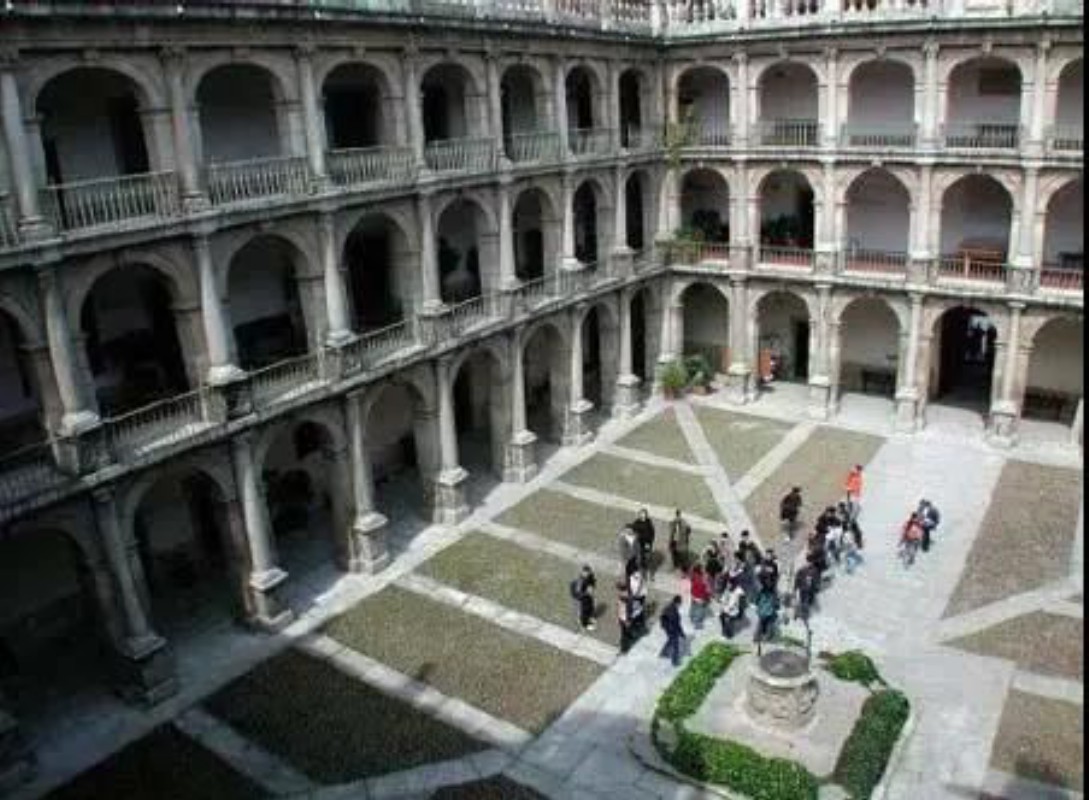
Here’s a simple table to give you a quick comparison:
| City | Key Advantages | Living Costs (Monthly) | Downsides |
|---|
| Madrid | Capital, more opportunities, cultural hub | Approx. €900-1200 | High cost of living, crowded with tourists, high competition |
| Barcelona | International, strong design scene, coastal | Approx. €900-1200 | Catalan-speaking region, high cost, be mindful of safety |
| Valencia | Relaxed lifestyle, birthplace of paella, great value | Approx. €650-850 | Fewer internship opportunities |
| Salamanca | University town, pure Spanish, historic atmosphere | Approx. €600-800 | Smaller city, fewer entertainment options |
Finally, I want to say that choosing a university is a game of information. Spend time on the official university websites reviewing course curricula, and reach out to senior students or alumni to hear about their real experiences. Don’t just rely on the one-sided stories from educational agents. Rankings aren’t the only criterion; you can let go of the obsession with getting into a top 100 university. Finding a school with a program that fits you, in a city you like, and with a cost of living you can afford will make your master’s experience truly enjoyable. I hope this information is helpful to everyone, and feel free to add your own opinions and experiences!
