Hey everyone! I just received an offer for a master’s program from my dream university, and while the excitement is still fresh, I wanted to share my entire DIY application process with the forum. I’ve navigated a few challenges and learned a lot along the way, so I hope this can be a helpful reference for anyone currently preparing or planning to apply for a master’s degree in Spain.
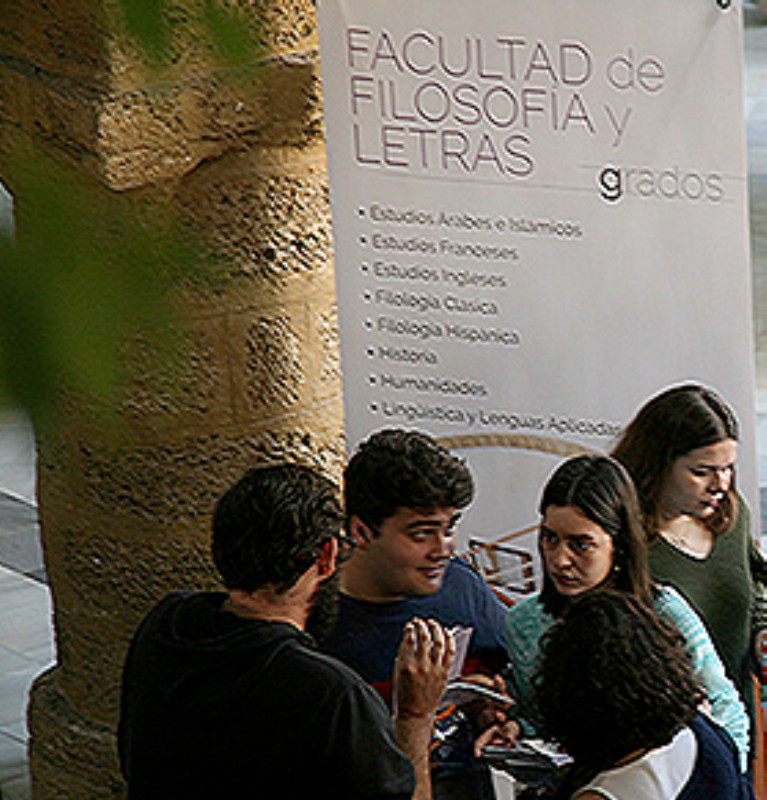
Starting off with a beautiful photo of the University of Salamanca to set the mood. Wishing you all the best in getting into your dream schools!
Application Timeline Planning
Applications for Spanish universities typically open at the end of the previous year and run until the spring of the application year. Planning is crucial
! Generally, September to December is the prime time to prepare for language exams, work on improving your GPA, and draft your application documents. From January to May of the following year, universities will begin to open their application portals. It’s essential to keep a close eye on their official websites. Don’t wait for the last application round, as spots will be very limited by then.
Core Application Documents
This is the most critical part of applying to master’s programs at Spanish universities
, and every single document must be prepared carefully. For those considering pursuing a master’s degree in Spain after graduation, I’ve created a table you can use as a checklist:
| Document Checklist | Notes |
|---|
| Passport Scan | Main page, ensure it is valid |
| Proof of Eligibility for Master’s Study | For current students, issued by your university; for graduates, this is usually your degree certificate. |
| University Transcript | Requires notarization and legalisation (e.g., Apostille) |
| ![/color] Start this process early! |
| Degree/Diploma Certificate | Same as above, required for graduates |
| CV/Résumé | In Spanish or English, depending on the language of instruction |
| Statement of Purpose (Motivation Letter) |
| Tailor it to each university and program. Never use one letter for all applications. |
| Language Proficiency Certificate | DELE B2 is generally the baseline; the higher, the better. |
Optional ‘Plus-Factor’ Documents
Beyond the essential documents, certain extras can really boost your application. These ‘plus-factors’ can be as decisive as choosing between the best master’s programs at Rey Juan Carlos University. Consider getting a strong letter of recommendation from a professor or internship supervisor, providing relevant internship or work certificates, or including any significant awards. These elements showcase your well-rounded capabilities and can help you stand out from other applicants.
Finally, here are a few tips to avoid common pitfalls. First, allow plenty of time for document notarization and legalisation—at least one or two months. Second, when choosing a program, don’t just focus on university rankings; the curriculum and future career paths are more important. Third, sending the same generic motivation letter to all universities is an absolute taboo. Admissions officers can spot a lack of effort from a mile away.
Well, that’s all I can think of for now. The application process can be tedious, but the moment you receive that offer, you’ll feel it was all worth it! I hope my sharing has been helpful. If you have any questions, feel free to leave a comment below for discussion. Wishing you all the best with your applications! ¡Mucha suerte
!
