I’ve been studying at a university in Spain for a few years now, and friends from back home often ask if the education here is very ‘hands-off’ and ‘free.’ I think a more fitting word is ‘personalized.’ It’s not that no one minds your progress; rather, it provides a broad framework that gives you immense space to explore what you’re genuinely interested in. This is a stark contrast to the ‘one exam decides your fate’ model many of us are familiar with.
Key Aspects of ‘Personalized’ Education in Spanish Universities
Small Classes and High Interactivity
The most significant difference is the class size. Except for a few introductory general courses, most major-specific classes have only 20 to 30 students. This means you’re no longer just an anonymous face in a lecture hall of hundreds. Professors can usually call everyone by name, and you can ask questions, discuss, or even debate at any time during class. This high level of interaction forces you to prepare in advance and think critically—slacking off is not really an option
!
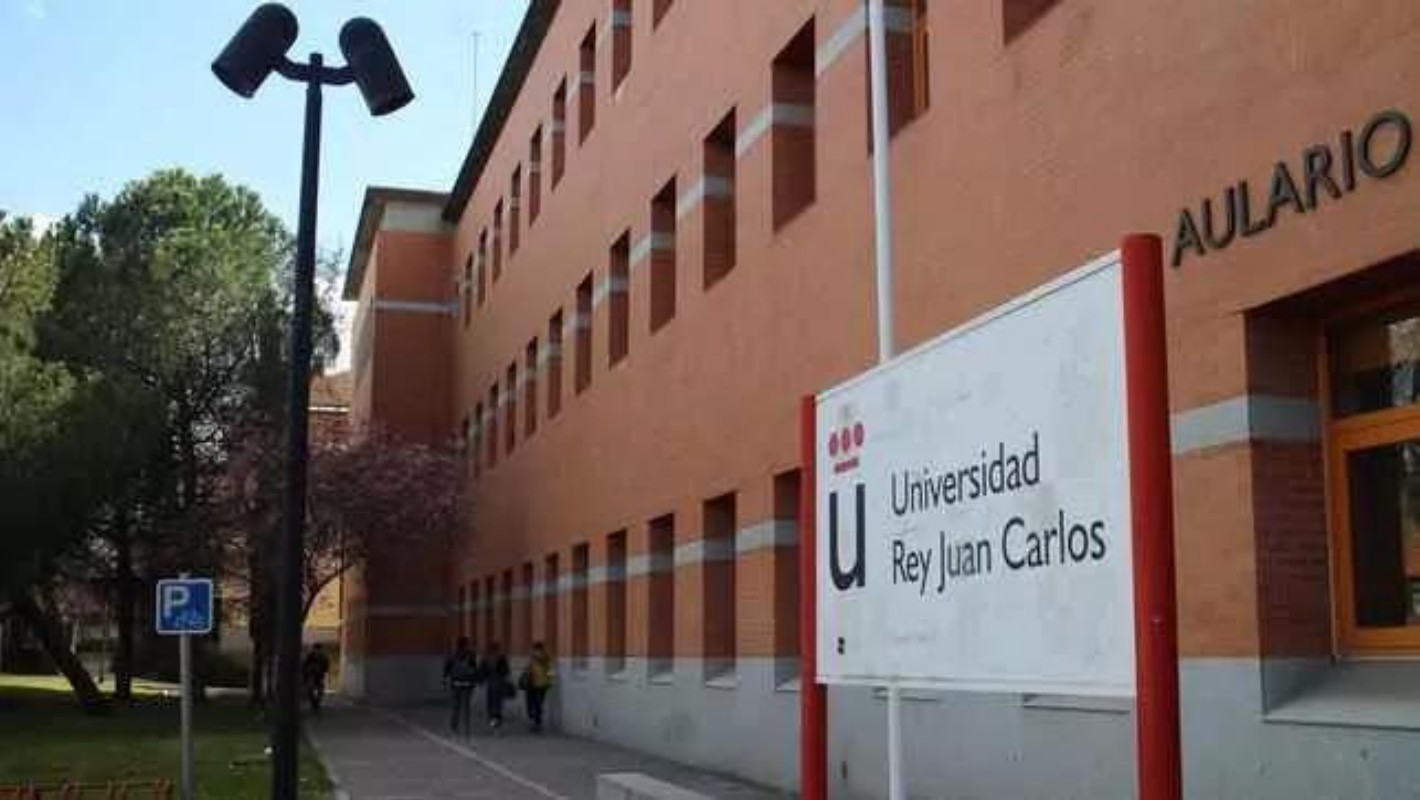
Another core element is the freedom in course selection. Spanish universities use a credit system, and besides the required courses, there’s a wide range of electives available. You can fully tailor your unique knowledge base according to your career goals and interests by choosing courses across different departments and faculties. For instance, a business student could easily take an introductory data analysis course—a great example of the Spanish university education model
—or a design class from the art faculty.
| Field of Study | Conventional Course Combination | Personalized Course Combination |
|---|
| Business + Tech | Marketing + Financial Management | Marketing + Intro to Data Analysis (as covered in Research on the Spanish university education model) |
| Humanities + Arts | History of Spanish Literature + Art Appreciation | History of Spanish Literature + Digital Media Design |
There’s also a strong emphasis on practical skills. Final exams are only one part of your final grade; group assignments, individual projects, and class presentations carry significant weight. It’s common to work on three or four projects of varying sizes throughout a semester. This process is incredibly effective for developing skills in research, teamwork, and public speaking. Even though it can be painful at times, it’s extremely useful.
Spanish university education is like a buffet. The university lays out all the high-quality ‘dishes,’ and it’s up to you to decide what to eat and how to combine them. Students who graduate from this model, perhaps under the Spanish university education system, might not have as solid a foundational knowledge base as those from back home. However, they truly excel in terms of self-directed learning and practical problem-solving skills, making a quantum leap in these areas. I wonder if anyone else studying in Spain has had a similar experience? Feel free to share your thoughts in the comments below!
