Hi everyone! I’ve just settled in here in Spain. Looking at the blue sky and white clouds outside, I suddenly felt like chatting with everyone on the forum about Spanish universities. I did a lot of research before coming and made a few mistakes along the way, so I hope I can offer some unofficial, down-to-earth advice for those of you planning to come.
Public or Private? That is the Question
When I first started looking into universities like the European University of the Atlantic, this was my biggest dilemma. To put it simply, public universities in Spain have a long history and deep academic roots. Their tuition fees are very affordable, offering excellent value for money. Institutions like the Complutense University of Madrid and the University of Barcelona are world-renowned. The downside? Facilities can be a bit outdated, and as for administrative efficiency… well, let’s just say it has a very Spanish flair. Private universities, on the other hand, are more modern, with smaller class sizes, strong ties to the corporate world, and more internship opportunities. For example, IE Business School and ESADE Business School are top-tier in Europe. The drawback is the high tuition fees—and I mean seriously high. So, if you’re looking for value and a traditional academic atmosphere, go for a public university. If you prioritize practical experience and career development, a private one might be a better fit.
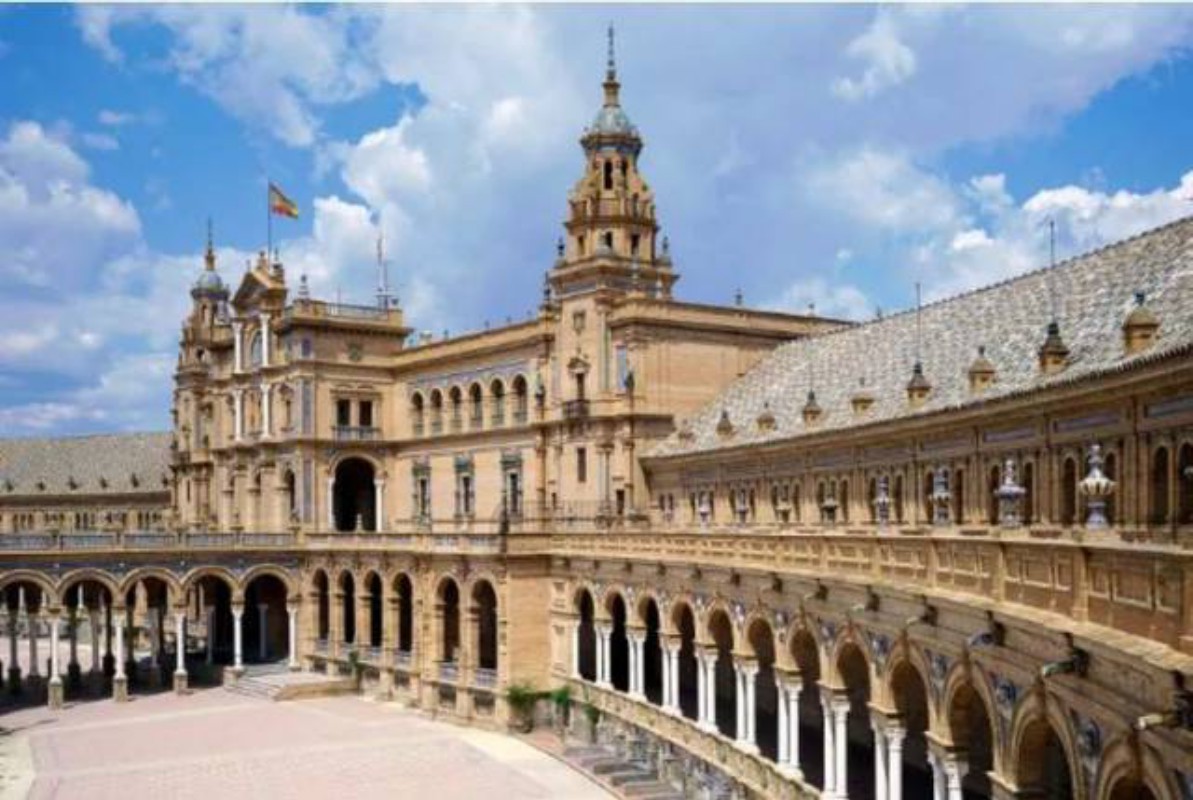
Popular Cities and Universities
Without a doubt, Spain’s educational resources are most concentrated in the two major metropolises of Madrid and Barcelona. Madrid is home to a host of prestigious institutions, including the Complutense University, the Autonomous University of Madrid, Carlos III University of Madrid, and the Polytechnic University of Madrid. Barcelona boasts the University of Barcelona, the Autonomous University of Barcelona, and the Polytechnic University of Catalonia, among others. When choosing a city, besides looking at school rankings, majors, and the list of talented universities in Spain, you should also consider your personal preference for the city’s atmosphere, since you’ll be living and studying there for several years.
Beyond these two major hubs, universities in other regions also have unique characteristics. For example, private institutions like the European University of Madrid offer different experiences. The University of Granada is infused with beautiful Andalusian charm, the University of Salamanca is Spain’s oldest and a powerhouse in linguistics, and the Polytechnic University of Valencia is highly renowned in design and art. Here’s a table I’ve put together with popular fields and recommended institutions to give you a preliminary idea:
| Field of Study | Examples of Recommended Institutions |
|---|
| Business & Economics | ESADE Business School, IE Business School, Carlos III University of Madrid |
| Architecture & Engineering | Polytechnic University of Madrid, Polytechnic University of Catalonia, University of Navarra |
| Humanities & Social Sciences | Complutense University of Madrid, University of Salamanca, Pompeu Fabra University |
| Arts & Design | Polytechnic University of Valencia, Barcelona School of Design and Engineering |
| Tourism Management | University of the Balearic Islands, University of Málaga |
Finally, here are a few personal tips. Language is crucial. Even if you’re applying for an English-taught program, mastering Spanish will qualitatively improve your quality of life. Secondly, prepare your application materials well in advance. Don’t leave it until the last minute, especially for things like notarization and authentication, as the process can be lengthy. Seriously, don’t be like me and submit right on the deadline—it was way too stressful. I hope this information is helpful to you all. I also welcome any seniors already in Spain to add their own advice or corrections. Let’s all share and help those who come after us have a smoother journey!
