Lately, more and more people on the forums are discussing studying and working in Spain. Many of my friends who have finished their PhDs often ask me: how difficult is it to stay and teach at a Spanish university, and what are the requirements? This is indeed a career goal for many highly educated international scholars. So today, I’m starting this thread to share what I’ve learned from my own research into university recruitment for Spanish speakers and the experiences of some friends. I’ll discuss the process of finding an academic job in Spain, hoping it will spark a useful conversation.
Main Types of Academic Positions in Spain
There are many kinds of academic positions in Spanish universities. You might have heard about the long road to “tenure,” but the entry points and contract types are actually quite varied. For recent PhD graduates, the most common paths are:
- Postdoctoral Researcher: This is often the first step after completing your PhD. The role primarily involves research with a specific professor or research group, with relatively few teaching duties. Contracts typically last 1-3 years, making it a crucial period for building your publication record and professional network.
- Assistant Professor (Profesor Ayudante Doctor): This is the first step on the tenure track. It requires a PhD and, crucially, accreditation from ANECA. The contract is usually for 5 years, during which you’ll need to focus on publishing papers, applying for grants, and teaching to prepare for the next level of promotion.
- Visiting Scholar/Professor: If you already hold a position at a university in another country, this is a great way to come to Spain for short-term teaching and research. It’s an excellent opportunity for academic exchange and to experience the system.
The Key Accreditation: ANECA
When it comes to Spanish university recruitment, it’s essential to talk about ANECA, the National Agency for Quality Assessment and Accreditation of Spain. If you want to pursue a tenure-track position, getting their accreditation is a mandatory requirement. The process involves submitting your entire CV—including publications, projects, teaching experience, international stays, etc.—for them to evaluate whether you are qualified for a specific university teaching level. The paperwork is complex and the process is long (it’s enough to drive you crazy), so if this is your goal, I strongly advise you to plan and prepare well in advance.
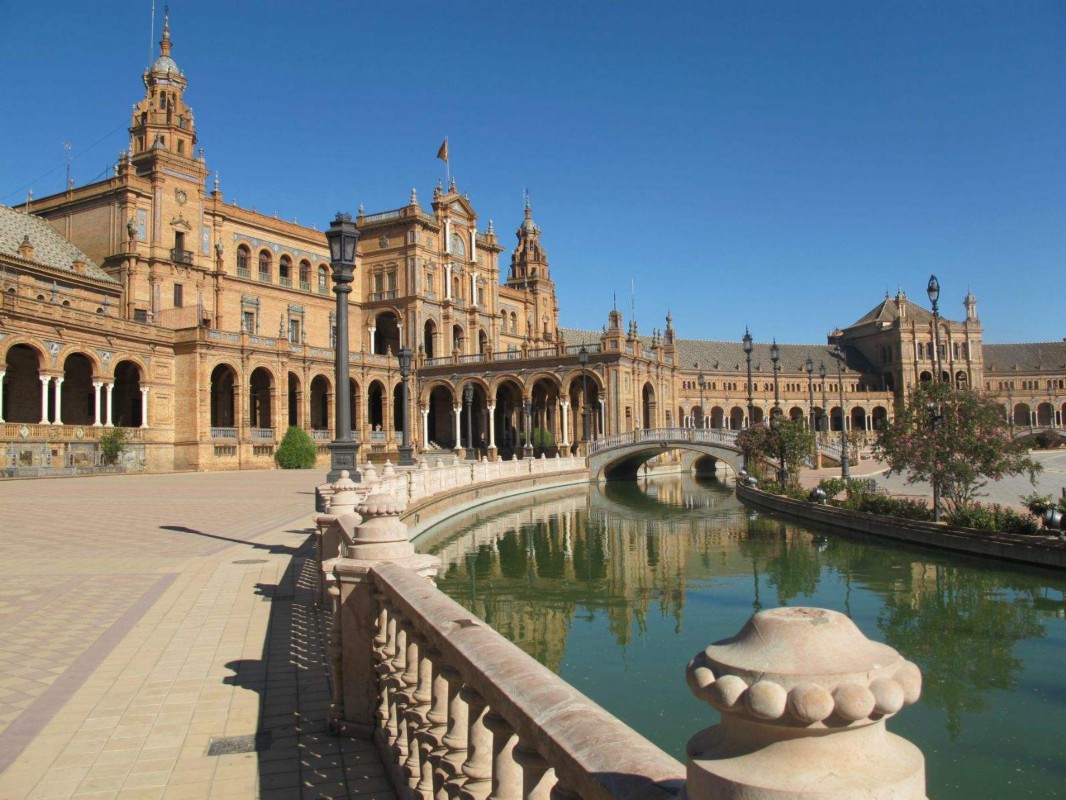
So, where can you find these job postings? Besides keeping an eye on the official websites of your target universities, a topic you can read more about in this discussion on university recruitment, there are also several centralized platforms. I’ve compiled a few common ones you can bookmark. It’s also worth noting that many public university positions are announced in the official gazettes (Boletín Oficial) of their respective autonomous communities, so you need to check those regularly.
| Website | Description |
|---|
| Madrimasd | The official research and job portal for the Community of Madrid, with many listings. |
| RedIRIS | The Spanish academic and research network; job openings are often shared via their mailing lists. |
| EURAXESS Spain | The official EU portal for researcher mobility, offering comprehensive information. |
| Indeed / Infojobs | General job sites that occasionally list university positions, but they are less focused than specialized platforms. |
A few quick tips for those who want to give it a try: a localized CV is crucial; attend academic conferences to network with peers—sometimes an internal referral is far more effective than a cold application. Also, language is a big plus. While many research positions don’t have high Spanish language requirements, fluency in Spanish or a regional language (like Catalan, Galician, or Basque) is a significant advantage when applying for teaching positions. I hope this information is helpful, and I welcome experienced colleagues to add their insights and corrections!
