I’ve been a lurker on this forum for a while. I see many posts about Bachelor’s and Master’s applications, but not many specifically about starting from a college diploma. I came here after graduating from a three-year college program in China and am now studying for an official Master’s in Madrid. I wanted to share my journey and some practical tips, hoping to help students in a similar situation.
Many people might think it’s difficult to study abroad with a college diploma, especially in countries like the UK, US, Canada, or Australia, where you often have to start a Bachelor’s degree from scratch or go through a long foundation program. The great thing about Spain is that its policies are relatively flexible, and it has a decent level of recognition for Chinese college diplomas, giving us a valuable shortcut to advance our education. Moreover, the tuition and living costs are much more affordable, making it a great choice for students on a limited budget considering a Master’s degree in Spain after college.
Two Main Pathways from College to Master’s
Based on my own research and the experiences of classmates, there are two main routes for college diploma holders to upgrade their qualifications in Spain. Each has its pros and cons, so you can see which one fits you best.
Pathway 1: College Diploma → Bachelor’s Degree → Master’s Degree
This is the safest route. You first apply for an undergraduate program at a Spanish university. Through credit transfer via your application to a Spanish university with a college diploma, you can get some of your previously completed courses recognized. After completing the remaining undergraduate courses and earning a Spanish Bachelor’s degree, you can then apply for an official Master’s program just like any other graduate.
Pathway 2: College Diploma → Master’s Degree
This path is more appealing but also more challenging. It involves directly applying for a Master’s program in Spain with your Chinese college diploma. It’s crucial to note that Master’s programs that directly accept college diploma holders are mostly ‘Títulos Propios’ (university-specific degrees), along with a few official Master’s programs with less stringent requirements at public Spanish universities. ‘Títulos Propios’ may not be recognized by the CSCSE (Chinese Service Center for Scholarly Exchange) back in China, so you must do your research carefully before applying.
| Pathway Option | Pros | Cons | Best for… |
|---|
| Bachelor’s then Master’s | Seamless academic progression, high recognition for official Master’s. | Takes longer, relatively more expensive. | Students seeking a safe bet and wanting to build a strong academic foundation. |
| Direct to Master’s | Saves time and money, a direct route | More difficult, limited options, some ‘Títulos Propios’ are hard to get recognized back home | Students with a matching academic background, work experience, and clear goals. |
When applying, make sure your documents are solid! Don’t cut any corners. Your transcripts, course descriptions, and graduation certificate from China must be notarized and authenticated (e.g., with an Apostille). Language proficiency is a must. It’s best to have a B2 level in Spanish before you arrive; it will make both your studies and daily life much easier. Otherwise, you’ll have to attend a language school first, which is a significant investment of time and money.
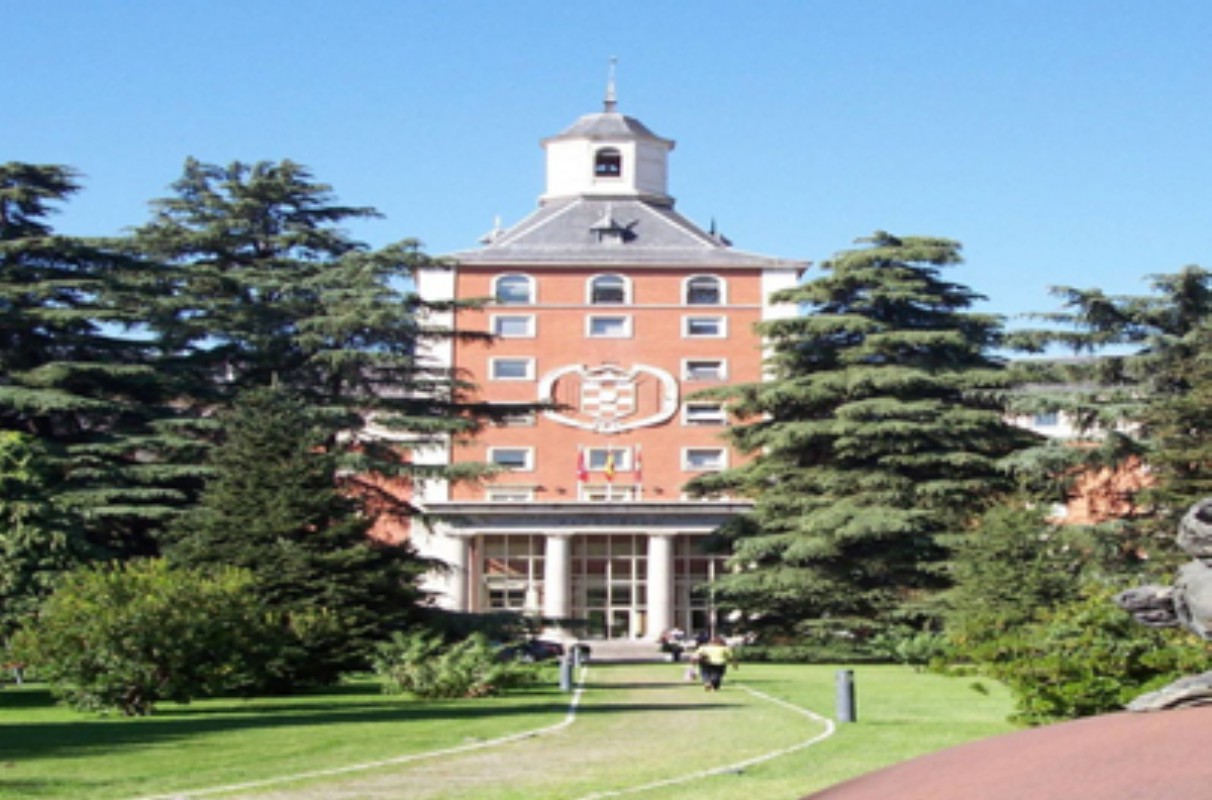
Studying in Spain with a college diploma is definitely a viable path. The key is early planning and finding the right fit for you. Although the process can be a bit of a hassle, the experience of studying at a university here and enjoying the sunshine and culture of Southern Europe makes it all worthwhile. Here’s a photo of the University of Salamanca to inspire you all!
If you have any questions, feel free to leave a comment below, and I’ll do my best to answer. Good luck with your applications!
