Recently, many people on the forums have been asking about study abroad programs. When I saw someone mention hospitality management, I decided to start this thread since I know a bit about management programs in Spanish universities. As a major tourist destination, Spain welcomes a staggering number of visitors each year, meaning its hotel industry is naturally very well-developed. Therefore, when it comes to academic management at Spanish universities, studying hospitality management here gives you a unique advantage, providing access to resources and opportunities unmatched by other countries.
So, why study hospitality management in Spain? The biggest advantage is the abundance of practical opportunities. The educational philosophy here is very pragmatic, especially for an applied field like hospitality management. Universities have close ties with major hotel groups and tourism companies, and the curriculum includes extensive internships. You won’t just be sitting in a classroom; you’ll be rotating through front desk, restaurant, and housekeeping departments in five-star hotels, applying what you’ve learned. This kind of experience is incredibly valuable for your resume.
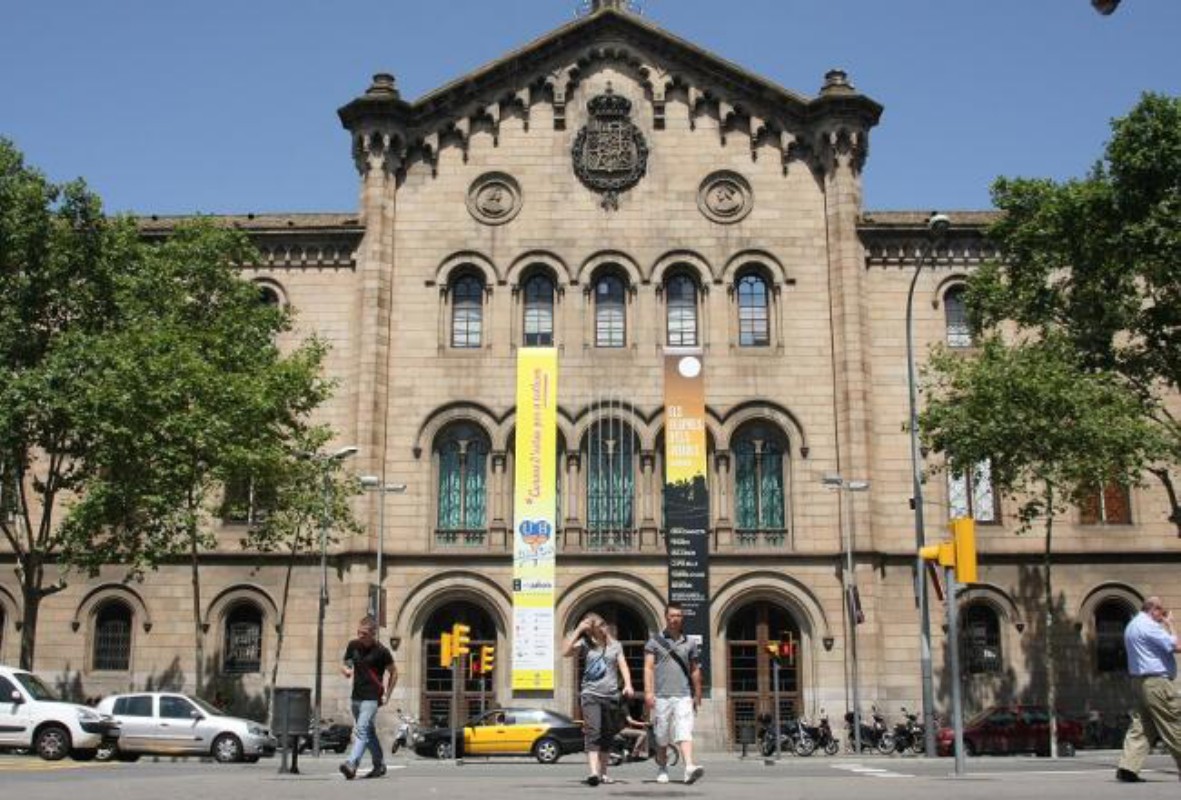
Top University Recommendations
When it comes to universities, Spain offers plenty of choices, from top-tier private institutions to excellent public universities. Private schools typically focus more on industry connections and global networks, while public ones are more cost-effective with a stronger academic atmosphere. I’ve prepared a simple table on Spanish management universities for your reference:
| University Name | Features & Strengths | Language of Instruction |
|---|
| Les Roches Marbella | Swiss heritage, top global reputation, powerful alumni network | English |
| EUHT StPOL | Has its own hotel for teaching, a model for hands-on learning | Spanish/English |
| UAB | Renowned public university, strong academic foundation, relatively low tuition fees | Spanish/Catalan |
In terms of curriculum, besides foundational business subjects like management, marketing, and finance, you’ll also take fascinating courses such as wine tasting, food and beverage operations, event management, and tourism destination planning. Most universities require students to complete a mandatory internship of at least six months, many of which are paid internships available worldwide. Imagine working at the Burj Al Arab in Dubai or a resort in the Caribbean—it’s like getting paid to learn and travel!
Career paths after graduation are also very broad. Don’t think hospitality management just leads to becoming a hotel manager although that’s a great career path too. You could work in customer relations for luxury brands, in operations for airlines, design high-end customized travel, or even start your own boutique B&B. In short, it’s an industry all about people and experiences, with huge growth potential. One final piece of advice: language skills are crucial. Mastering both Spanish and English will open up many more career opportunities for you!
