Hey everyone! I’ve seen a lot of people on the forum asking about choosing a university for studying in Spain. As a senior who’s been at the University of Murcia for a while, I’m here today to talk about what UMU is really like and offer some reference for prospective students.
Many people, when they think of Spain, Madrid and Barcelona are the first places that come to mind. Murcia is definitely not as famous, but that’s precisely its charm. This is your classic Southern European ‘sun coast,’ with over three hundred sunny days a year—it’s hard to be in a bad mood! The most crucial part is that the cost of living is incredibly friendly; rent and food are much cheaper than in big cities, making it super cost-effective for us international students. Plus, the city is full of locals and has fewer tourists, giving you plenty of opportunities to experience an authentic Spanish lifestyle and practice your spoken Spanish.
A Look Inside the University of Murcia
UMU is a historic public university, founded in 1915, with a very good reputation in Spain. The university has two main campuses: La Merced and Espinardo. The La Merced Campus is in the city center, classic and beautiful, and is home to the faculties of Arts and Law. After class, you can just wander into the city center for food and shopping. The Espinardo Campus is a modern university town on the outskirts of the city. It’s huge and houses most of the science, engineering, social sciences, and economics faculties.
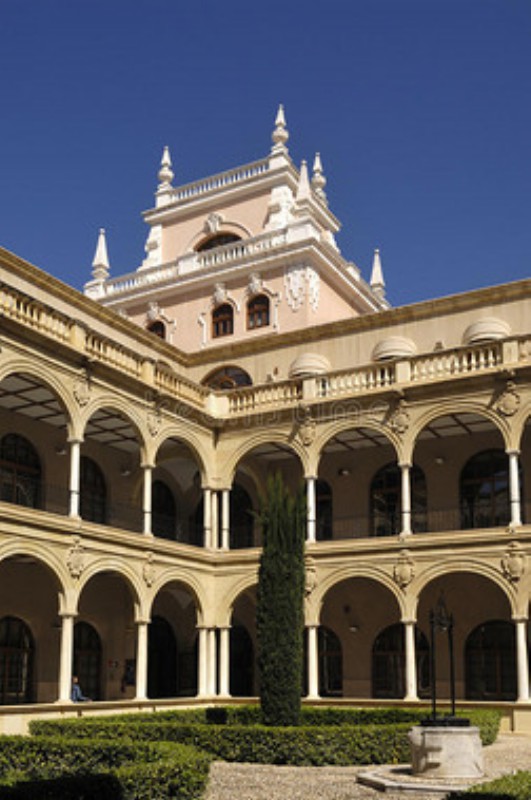
Application and Program Selection
In terms of applications, UMU is quite friendly to international students. There’s a wide selection of official master’s programs, with strengths in areas like business administration, tourism, law, and Hispanic studies. For instance, its business programs at the University of Murcia are a popular choice. The distribution of programs varies by campus, so you can consider that based on your field of study. I’ve put together a simple table to give you a clear overview of the two main campuses:
| Aspect | Espinardo Campus | La Merced Campus |
|---|
| Main Faculties | Science, Engineering, Business, Medicine, Social Sciences, etc. | Arts, Law, Translation, etc. |
| Campus Environment | Modern university town, new facilities | City center, classic architecture, strong historical feel |
| Daily Commute | Requires a tram or bus | Walking distance to everything in the city center |
| Surrounding Life | Quiet, ideal for studying | Bustling and lively, very convenient |
Personally, I find life in Murcia incredibly comfortable. This region is known as ’Europe’s Orchard,' so fruits and vegetables are cheap and delicious. The tapas culture is vibrant, and you can eat and drink your fill for just a few euros. When you don’t have classes, you can take a bus to the beach to sunbathe or visit historic towns nearby. For transportation, a tram runs directly to the Espinardo campus, which is very convenient. The only potential downside, apart from some affiliated centers like the ISEN University Centre being in other cities, is the lack of a metro system. And yes, it gets really hot in the summer, but then again, what southern Spanish city isn’t hot in the summer? Besides, every home has air conditioning, so there’s nothing to worry about.
If you’re not a fan of the hustle and bustle of big cities and want a peaceful, authentic place with a low cost of living to focus on your studies and experience Spanish culture, especially when thinking about the process of getting settled at the University of Murcia, then UMU is definitely an option worth considering. I hope my sharing has been helpful. If you have any other questions, feel free to leave a comment below to discuss!
