Hey everyone! I’ve seen a lot of newcomers on the forum asking about exchange programs, which reminded me of how clueless I was, scouring the internet for guides. So today, I’m starting this thread to summarize my experience and the pitfalls I encountered during my half-year exchange in Salamanca, hoping to help future students!
Pre-departure Prep: Don’t Go into Battle Unprepared
You must start your preparations early, early, early! I can’t stress this enough. I won’t go into detail about the university’s application process—just follow your school’s guidelines. The main focus here is the visa, which is the most critical part. You need to prepare the required documents, such as a criminal record check, medical certificate, and bank statements, several months in advance. In particular, for the bank statements, many students get their applications held up because their deposit period is too short, so be very careful with this! In terms of language, although many university exchange programs offer courses in English, knowing some basic Spanish will exponentially increase the convenience and happiness of your daily life.
Choosing a School and City: Big City or Small Town?
This is an eternal question for Spanish university exchange students. Every city in Spain has its own unique charm. I’ve made a simple table for your reference, based purely on my personal opinion!
| City | Features | Estimated Monthly Cost of Living |
|---|
| Madrid | The capital; lots of cultural events and internship opportunities, great transport, vibrant nightlife | 900 - 1200€ |
| Barcelona | Capital of art, fascinating architecture, has a beach, highly international | 900 - 1200€ |
| Seville | Andalusian charm, birthplace of Flamenco, pleasant climate | 700 - 900€ |
| Salamanca | Ancient university town, pure language environment, slow pace of life, low cost | 600 - 800€ |
I chose Salamanca back then for its language environment and low cost of living, and it proved to be perfect for focusing on my studies and experiencing authentic Spanish life. Of course, if you prefer a bustling atmosphere and more opportunities like an exchange at the University of Navarra in Spain or are concerned about the Spanish university exchange tuition fee application, Madrid and Barcelona are also excellent choices. For those who have trouble deciding, you can just flip a coin Just kidding.
Top 3 Must-Dos After Arrival
Congratulations on your successful arrival! But don’t rush off to have fun just yet; there are three things you must get done as soon as possible:
- Get your TIE: This is your legal ID card in Spain and is incredibly important! It can be hard to get an appointment (Cita), so you’ll need some patience and should refresh the webpage often.
- Open a bank account: This will be convenient for managing your living expenses and daily spending.
- Get a phone card: Sign up for a plan with data and calls so you can happily surf the web.
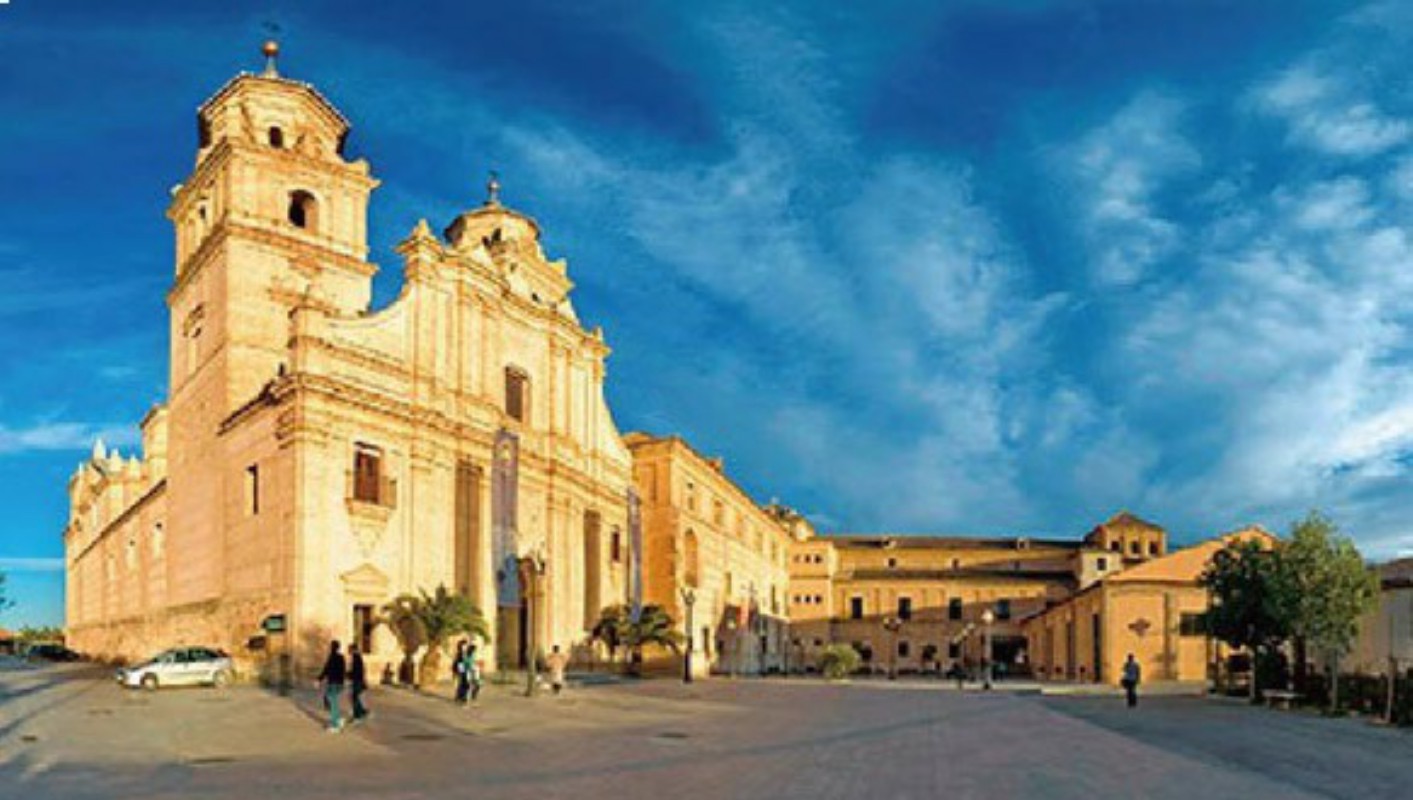
An exchange in Spain is an absolutely worthwhile experience! Not only will you find sunshine, food, and endless sights, but the classroom atmosphere is also relatively relaxed, and there are many opportunities to travel to other European countries. Although the initial preparation and post-arrival paperwork can be a bit tedious, you’ll find it’s all worth it once you truly integrate into the life here. I hope my sharing has been helpful to everyone!
Wishing everyone a smooth and wonderful Spanish exchange journey
! Feel free to leave a comment below if you have any questions!
