Hey everyone! I’ve been seeing more posts on the forum lately asking about universities in the Galicia region. As a former student of the University of Vigo, I wanted to start a thread to share details about this university. I hope this helps prospective students who are considering it.
About the University of Vigo
For many, Vigo might be an unfamiliar name. It’s a beautiful port city in the Galicia region of northwestern Spain. The University of Vigo is a very young public university, founded in 1990, but it has grown rapidly. It has three campuses, located in Vigo, Pontevedra, and Ourense, each with its own character and specialized fields. The architectural style of the university is very modern, especially the main campus built on a mountain. The views are incredible; I was truly amazed the first time I went there.
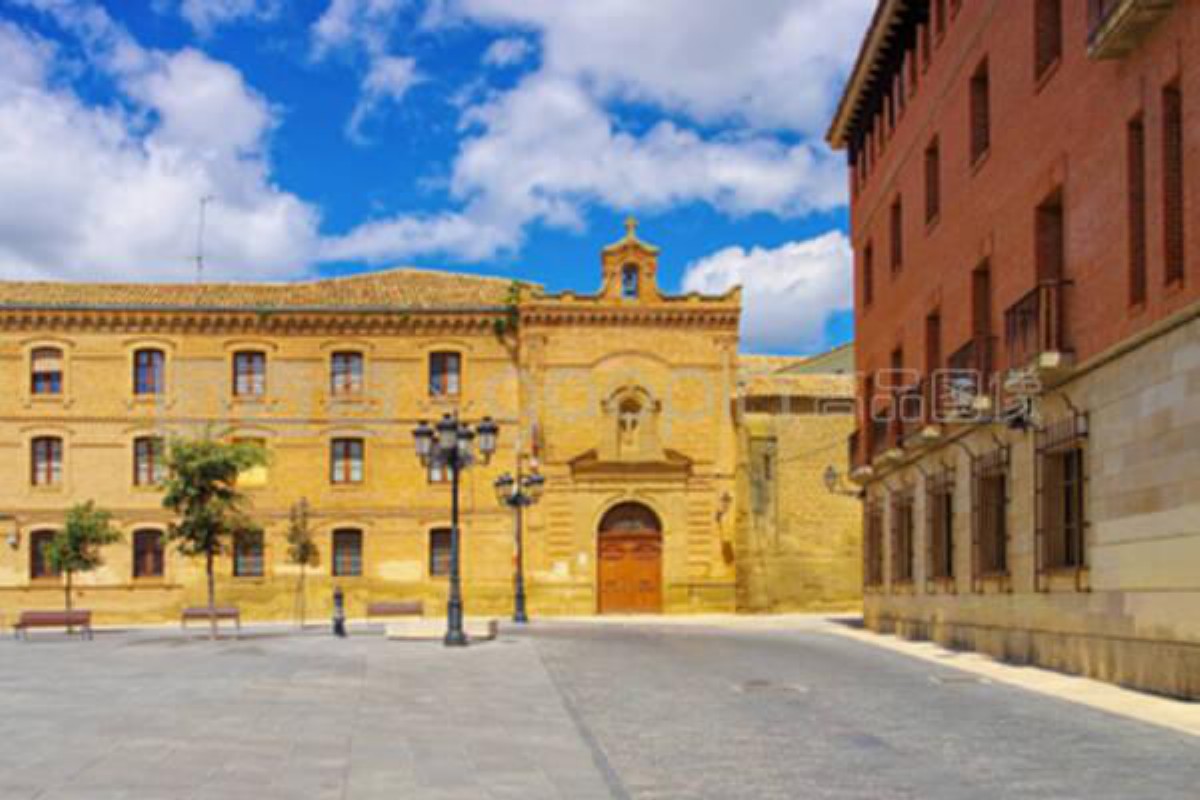
Campus and Choosing a Major
The Main Campus (CUVI) is on a Mountain, which has led to the joke that ‘going to class is like climbing a mountain.’ But don’t worry, there’s a dedicated bus service connecting the city to the campus, making it very convenient. Below, I’ve compiled a list of some popular faculties and their campus locations for your reference:
| Faculty/Field of Study | Campus Location | Notes |
|---|
| Marine Sciences | Vigo | One of the university’s flagship programs |
| Communication & Telecommunication Engineering | Vigo | Very famous with a high employment rate |
| Fine Arts | Pontevedra | A favorite among art students |
| Business Administration & Law | Vigo / Ourense | Popular business fields, available at both locations |
| Translation & Interpreting | Vigo | One of Spain’s top translation schools |
Application and Language
Regarding applications, undergraduate admission is mainly based on the Spanish university entrance exam (Selectividad/EBAU). For Master’s programs, the key factors are your undergraduate GPA, the relevance of your previous coursework, and your CV. Language proficiency is crucial. Most programs require Spanish language skills equivalent to DELE B2 or higher. Of course, the university also offers some Master’s programs taught entirely in English, though the selection is relatively limited. I recommend checking the specific requirements for your desired program on the official website well in advance so you don’t miss any application deadlines. If your Spanish isn’t at the required level yet, you can attend a language school first—the University of Vigo has its own language center. This gives you time to adapt and even learn about some unique Spanish university traditions before starting your degree.
Life in Vigo
Finally, let’s talk about daily life. The most notable thing about Vigo is… it rains a lot! So, a good, wind-resistant umbrella is an essential item. The rainy days are perfect for staying indoors, and if you need some motivational study tips for Spanish university, you’ll have plenty of time for it. But when the weather is good, Vigo is paradise, with its mountains, sea, and fresh air. Compared to Madrid or Barcelona, the cost of living here is much more budget-friendly; you can find a room in a shared apartment for about €200-€300. This affordability gives you more flexibility, whether for leisure or exploring options like online learning at Spanish universities. Seafood is a local specialty—it’s cheap, fresh, and an absolute dream for foodies! On weekends, you can visit the famous Cíes Islands or take a trip to nearby Porto in Portugal; both are very close. I originally chose Vigo for this slow-paced relaxed lifestyle.
The University of Vigo is an excellent value-for-money option, especially for students who prefer a quiet, nature-filled environment and are on a budget. While it may not have the international fame of universities in larger cities, its quality of education and living experience are truly unique. I hope my sharing has been helpful! If you have any questions, feel free to leave a comment below for discussion. I’ll do my best to reply!
