For those of you new to Spain for your undergraduate or Master’s degree, are you curious about the professors here? Their style often feels worlds apart from what we’re used to back home! As someone who’s been through it, I’d like to share my perspective on university professors in Spain. These are my personal observations, and I encourage you to share your own thoughts and join the discussion.
Classroom Style and Teacher-Student Relationship
Perhaps the biggest difference lies in the classroom atmosphere and teacher-student relationship. Spanish university professors generally avoid a ‘spoon-feeding’ teaching style; they act more as guides, encouraging students to ask questions, debate, and even challenge their opinions. You can raise your hand to interrupt the professor with a question at any time, and they are usually very happy to answer. Emails sent after class are typically answered quickly too. Moreover, almost all students address their professors by their first name, not ‘Professor [Last Name],’ creating a very equal and relaxed relationship. This approach can be a significant departure for those accustomed to different academic cultures, including how university Spanish professors might operate in other instructional settings.
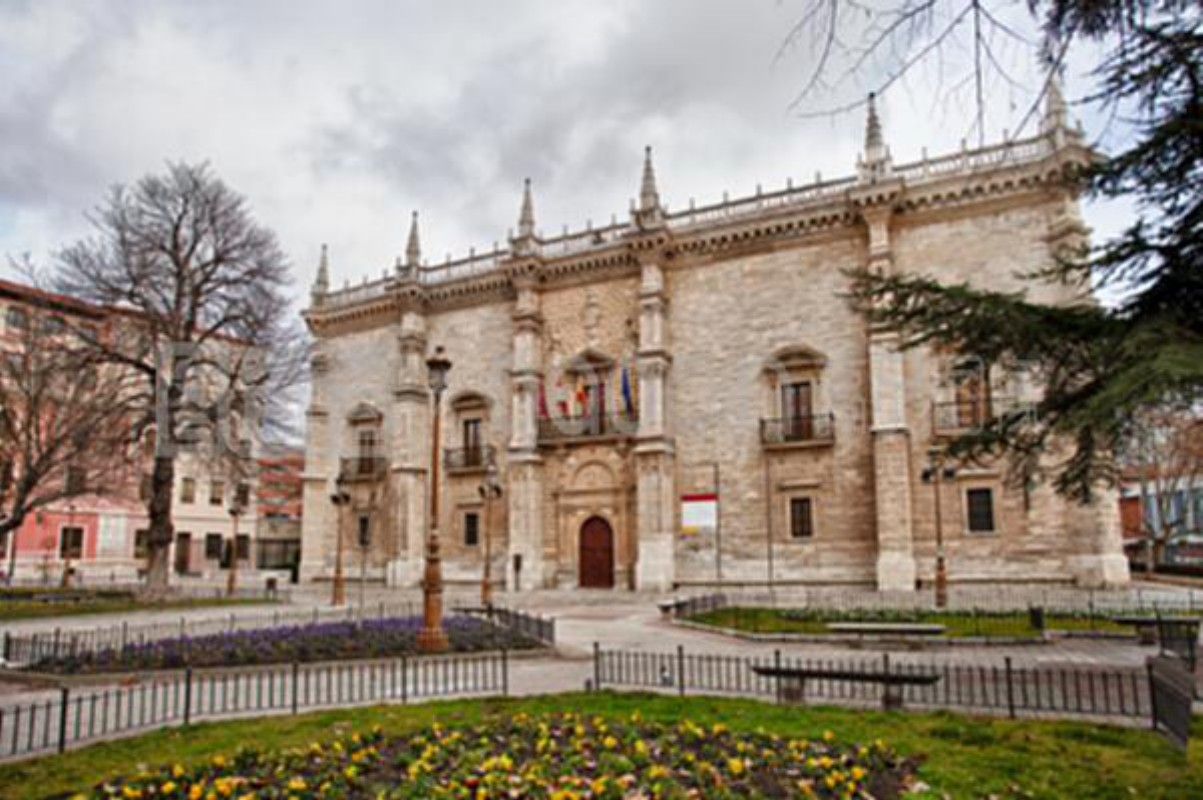
Another key trait is their strong emphasis on students’ autonomous learning. Professors will provide ample reading materials, reference lists, and research topics, but they won’t guide you step-by-step. For students used to a more structured curriculum, this might feel like the professors are being ‘hands-off.’ In reality, this method, common among educators like the professors at Rey Juan Carlos University, is intended to develop your critical thinking and problem-solving skills. Considering this high standard, and while the topic of salaries for professors at Rey Juan Carlos University is another discussion, it’s clear that academic rigor is expected, so slacking off is not an option.
Differences in Assessment Methods
When it comes to assessments, the approach is also quite different. While final exams are important, they are by no means the only criterion. Continuous assessment carries significant weight, encompassing class participation, individual assignments, and group projects. In fact, many courses don’t even have a final written exam; the final grade is determined by a series of projects of varying sizes.
Here’s a simple breakdown of common assessment methods and their approximate weightings. Note that this can vary between universities and majors:
| Assessment Item | Typical Weighting | Notes |
|---|
| Group Projects / Presentations | 30% - 50% | Focus on teamwork and public speaking skills |
| Individual Essays / Assignments | 20% - 40% | Assesses research and writing skills |
| Class Participation / Quizzes | 10% - 20% | Encourages active engagement in discussions |
| Final Exam | 30% - 50% | If applicable, often open-book or semi-open-book |
Interacting with professors at a Spanish university is generally a very positive experience. They are professional, open-minded, and genuinely respect every student. Of course, you might occasionally encounter a professor who is more ‘laid-back’ or less organized, which just means you’ll need to be more proactive in your communication. What have your experiences been with professors in Spain? Do you have any interesting or memorable stories to share? Feel free to leave them in the comments section!
