Hi everyone, I’ve noticed a lot of lively discussions about children’s education on the forums lately. My own child just went through the US university application season last year, and we’ve certainly learned a lot from the ups and downs. We’re based in Madrid, and my kid is enrolled in the Spanish Bachillerato. I wanted to share some of our experiences—both the successes and the pitfalls—to help other families with similar plans. Hopefully, this can get a good conversation started!
Core Preparation: Standardized Tests & Transcripts
You can’t avoid America’s college entrance exams—the standardized tests. The main ones are the SAT and the ACT. Although many universities are now ‘Test-Optional,’ let’s be honest: a competitive score is a significant advantage if you’re aiming for top-tier schools. In Spain, major cities like Madrid and Barcelona have test centers, but you need to register early as spots fill up quickly. Another key item is your high school transcript. The Spanish high school’s Nota Media (average grade) needs official certification and conversion to a US GPA. You should coordinate this with your school well in advance to ensure the document’s authenticity.
Application Materials Checklist
Preparing application materials is a meticulous job that requires great attention to detail. I’ve put together a simple table listing the main items and some key points to help you check off your list:
| Application Item | Key Points |
|---|
| Common App Application | This is the universal application system for most US universities. It’s very detailed and requires patience to complete. |
| Personal Statement | The absolute core of your application! It must showcase your personality and critical thinking. Whatever you do, don’t make it a boring list of events. |
| Letters of Recommendation | You’ll need at least 2-3. Ask subject teachers or extracurricular advisors who know you well. |
| High School Transcript | Official, sealed, and with a certified translation. Some universities, particularly for programs like Spanish majors at US universities, may require a credential evaluation from a third-party service like WES. |
| Language Proficiency Scores | Essential for international students (e.g., TOEFL, IELTS). Most schools have clear minimum score requirements. |
| Extracurricular Activities List | Quality over quantity. It should demonstrate your passion, leadership, and long-term commitment. |
A Solid Timeline is Crucial
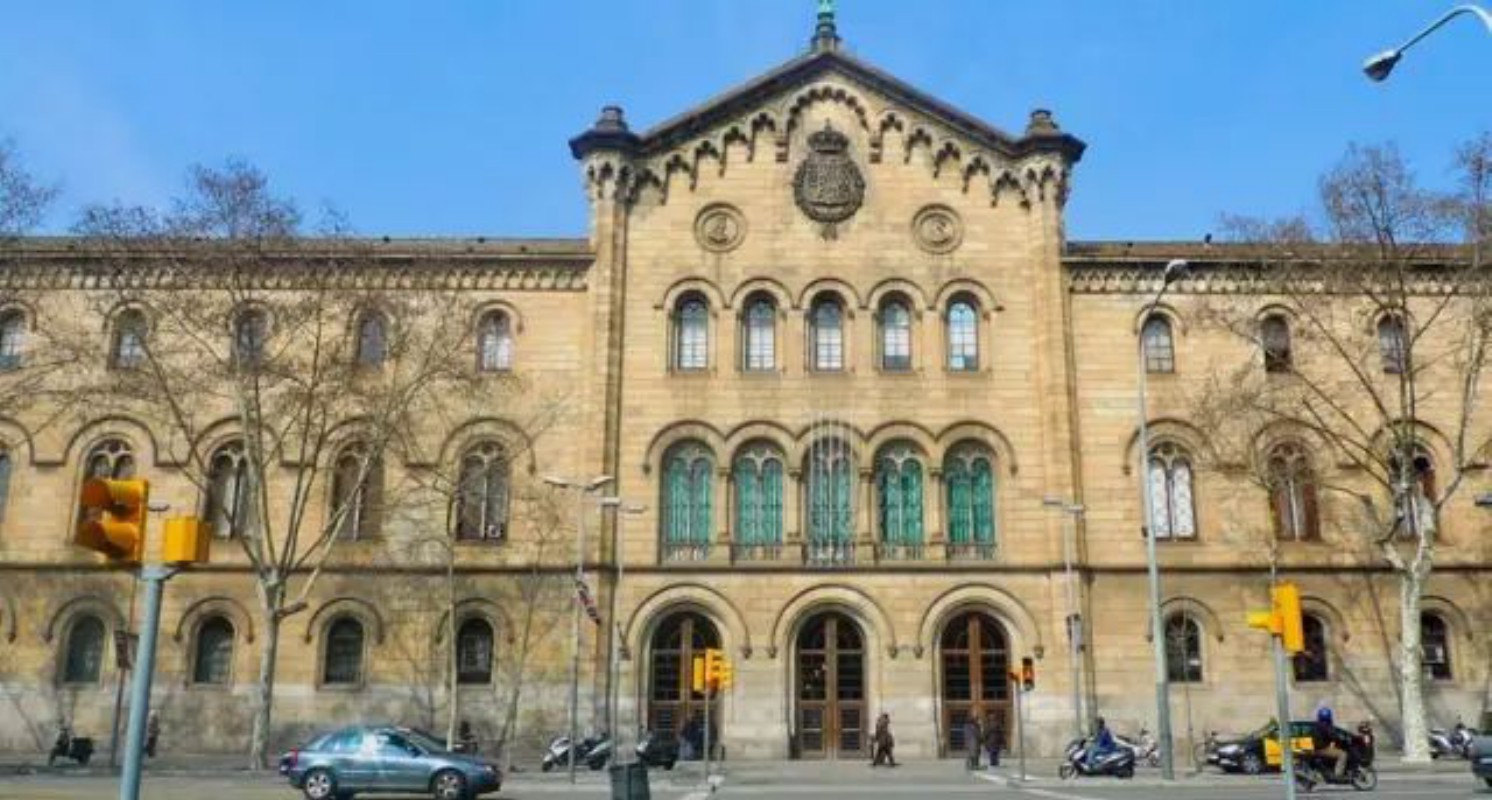
Applying to US universities is a marathon, not a sprint, and your timeline is your battle plan. Generally, you should start researching schools and preparing for standardized tests in your penultimate year of high school, a path familiar to many Spanish students applying to US universities. The first semester of your final year is the prime application season, with most early application deadlines falling in November. Does the image below look familiar? This was basically our life back then—a constant race against deadlines.
Do not procrastinate
! Plan ahead to stay calm and in control. We only started the main personal statement in October, and looking back, it was terrifyingly rushed!
A Few Final Thoughts
Just a couple more things. In Spain, students from international schools might have a slight advantage when applying to US universities because their curriculum and assessment methods are more aligned with the American system. However, students in the standard Spanish Bachillerato program absolutely have a great shot. The key is to effectively frame your Spanish educational background and personal strengths, telling a compelling story in your essays and activities list. For instance, participating in school Academic Olympiads, volunteering in your local community, or conducting in-depth research on a subject are all excellent materials. Highlighting your language skills can also be a plus, showing how you can contribute, for example, by using Spanish in US university applications
and campus life.
Applying to US universities from Spain isn’t an easy path, but it’s completely achievable with proper research and good planning. I hope my sharing has been helpful, and I welcome others with experience to add their own insights and advice. Wishing every aspiring student the best of luck in receiving their dream offer!
