Lately, I’ve seen more and more people on the forum asking about postgraduate studies in Spain, with a particular interest in Master’s programs at public universities. I’ve been in Spain for several years now, have hit a few bumps along the way, and have also gathered some experience. Today, I’m starting this thread to share my personal take on applying for Master’s degrees at public universities, hoping it will help future students.
Why Choose a Public University?
A common first question is: public or private? Unless you have a very specific goal, like a top-tier private business school, for most students, public universities are definitely the best value for money. The biggest advantage is the low tuition fees. Annual registration for a master’s degree can be just a few thousand euros, which is incredibly cheap compared to the UK, US, or Australia. Furthermore, Spain’s public education system has a long and respected history. Many of its universities, like those discussed in this thread about the Spanish-Australian City University, are globally ranked, and their degrees are highly valued.
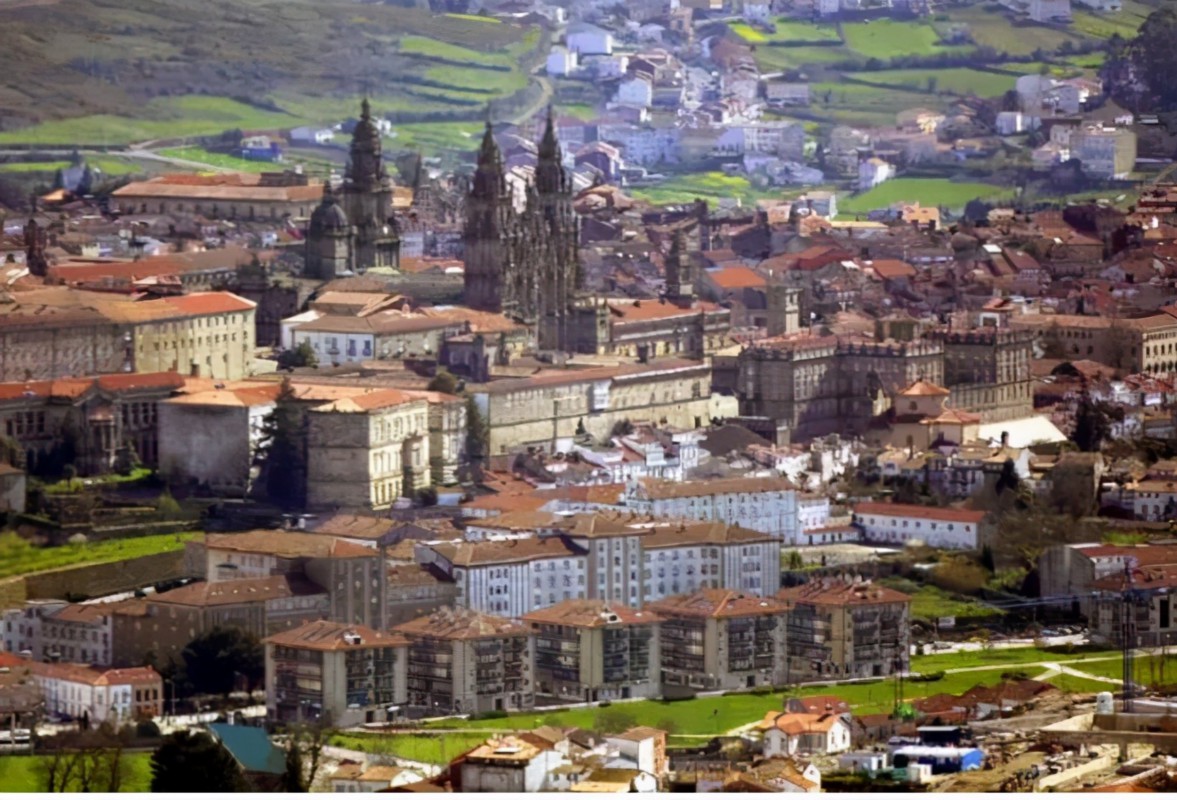
How to Choose Popular Programs and Cities?
Choosing a program and a city often go hand-in-hand, as the best universities and programs are concentrated in a few major cities. Madrid and Barcelona are the obvious top choices, offering excellent resources and opportunities, though with a higher cost of living. Cities like Valencia, Seville, and Granada are also very appealing, with great universities and a more relaxed lifestyle. I’ve put together a simple table for your reference, based on helpful resources like this guide to Master’s at Spanish City Universities:
| Field of Study | Recommended Universities (Examples) | City |
|---|
| Business/Economics | Charles III University of Madrid, Pompeu Fabra University | Madrid, Barcelona |
| Architecture/Design | Technical University of Madrid, Polytechnic University of Catalonia | Madrid, Barcelona |
| Humanities/Languages | University of Salamanca, Complutense University of Madrid | Salamanca, Madrid |
| Engineering/Technology | Polytechnic University of Valencia, Technical University of Madrid | Valencia, Madrid |
Application Materials and Language Requirements
Core Document Checklist
This part is fairly standard across universities. The main documents you’ll need are: proof of eligibility for master’s studies / bachelor’s degree diploma, degree certificate, university academic transcripts, passport, CV/resume, statement of purpose (motivation letter), and letters of recommendation. It’s crucial to prepare these documents well in advance, especially the notarization and legalisation (double certification), which can be very time-consuming!
Language Requirements
Programs are taught in either Spanish or English. For Spanish-taught programs, a DELE B2 or SIELE B2 level is the basic requirement, though higher is always better. For English-taught programs, an IELTS score of 6.5 or an equivalent TOEFL score is standard. But here’s a crucial point: even if you enroll in an English-taught program, you must learn Spanish
! Otherwise, daily life here will be extremely difficult, and it will be tough to find internships or integrate into society.
One last piece of advice: application opening and closing dates vary for each university and program. Don’t assume there’s a single national deadline. You must check the official website of each university you’re interested in and plan your timeline accordingly. Write your statement of purpose with care; expressing your genuine reasons for wanting to study that specific program at that particular school is much more effective than using a generic template.
Alright, that’s all I can think of for now. I hope this gives you some direction. If you have any questions or anything to add, for instance, about choosing between Spanish City Universities
, feel free to share and discuss in the comments below!
