Just arrived at UCM in Madrid and feeling a bit lost looking at the academic calendar? Don’t worry! As a senior student who’s spent years navigating UCM—you can read about my experience at Complutense University of Madrid—I’m here to break down our university’s holiday schedule. This will help you plan everything in advance, whether it’s studying for exams or hitting the road for an adventure, so you’re always prepared!
University holidays in Spain are quite different from what you might be used to back home. Besides the main summer break, there are many shorter religious and national holidays scattered throughout the year. For us international students, this is a fantastic opportunity to explore Spain and the rest of Europe! While we keep an eye on practical matters like the tuition fees at Complutense University of Madrid, these breaks are a welcome chance for adventure. Studying makes me happy Traveling is what truly recharges my batteries!
A Look at UCM’s Main Holidays
The three most important long holidays at Complutense are Christmas, Holy Week, and the summer vacation. These are the longest breaks and the prime time for travel.
Christmas Break
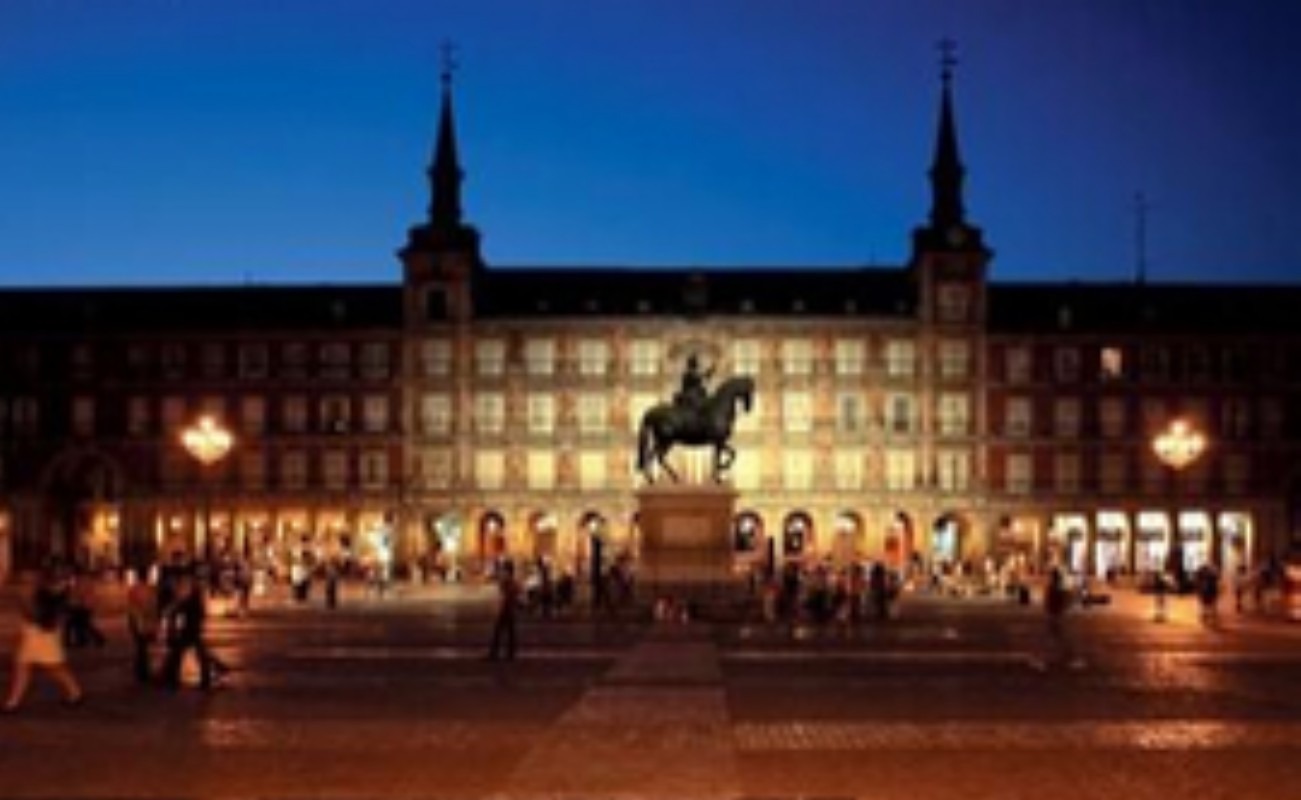
This usually starts around December 22nd or 23rd and lasts until after January 7th of the new year. During this time, all of Madrid is filled with a festive atmosphere. The Christmas market in Plaza Mayor, the dazzling lights, and various celebrations are experiences you shouldn’t miss. However, it’s also the final stretch for studying before exam season, so be sure to balance fun with your studies!
Holy Week (Semana Santa) Break
Semana Santa, or Holy Week, is Spain’s most important religious festival. The dates change each year, but it generally falls in late March or April and lasts for about a week. Many Spaniards travel during this time, making it a peak tourist season. If you’re hoping to see the famous Holy Week processions in the Andalusia region, make sure to book your accommodation and transport well in advance!
Summer Vacation
This is the longest break of the year! It typically starts after exams finish in late June or early July and runs until the new academic year begins in mid-September. One thing to note: July is often the period for exam retakes (convocatoria extraordinaria), so students who need to resit an exam won’t start their vacation as early. The long summer vacation is a perfect time to return to your home country, do an internship, or explore Europe in-depth.
To make it clearer, I’ve put together a simple table:
| Holiday Name | Approximate Dates | Key Features |
|---|
| Christmas Break | Late Dec - Early Jan | Festive atmosphere, crucial study time for finals |
| Holy Week Break | March or April | Peak travel season, requires advance planning |
| Summer Vacation | Early July - Mid-Sept | Longest break, ideal for going home or traveling |
In addition to these long holidays, Spain also has numerous national public holidays, such as National Day on October 12th, Constitution Day on December 6th, and Labour Day on May 1st. The Community of Madrid also has its own holidays, like the San Isidro Festival on May 15th. It’s useful to know these, just as it’s good to know the full name of Complutense University of Madrid. However, for the most accurate schedule, always refer to the official academic calendar published annually on the university’s website. That is the definitive source. I hope this summary is helpful for everyone!
What are your travel plans for the holidays? Or do you have any money-saving tips for planning trips? Feel free to share them in the comments below
!
