Lately, many folks on the forum have been asking about postgraduate studies in Spain. Today, I’m starting a new thread to discuss a more advanced topic: doctoral studies! Specifically, a PhD in Translation. I have a friend currently pursuing one, so I have some first-hand information about universities offering Spanish language courses. I’ve compiled it to share with everyone, hoping to help those who want to advance further on their path as a translator. After all, turning your passion into a career and then mastering it is a really cool thing!
So, why choose Spain for a PhD in Translation? Besides the native Spanish-speaking environment, Spain has a long history and a deep academic tradition in translation theory, especially in interpreting and translation studies. The faculty at many universities are ranked among the best globally. Moreover, a key aspect of the Spanish higher education system, besides topics like founding a Spanish university, is that doctoral tuition fees are very budget-friendly compared to the UK or the US. For ordinary people like us who need to consider financial factors, the value for money is truly excellent.
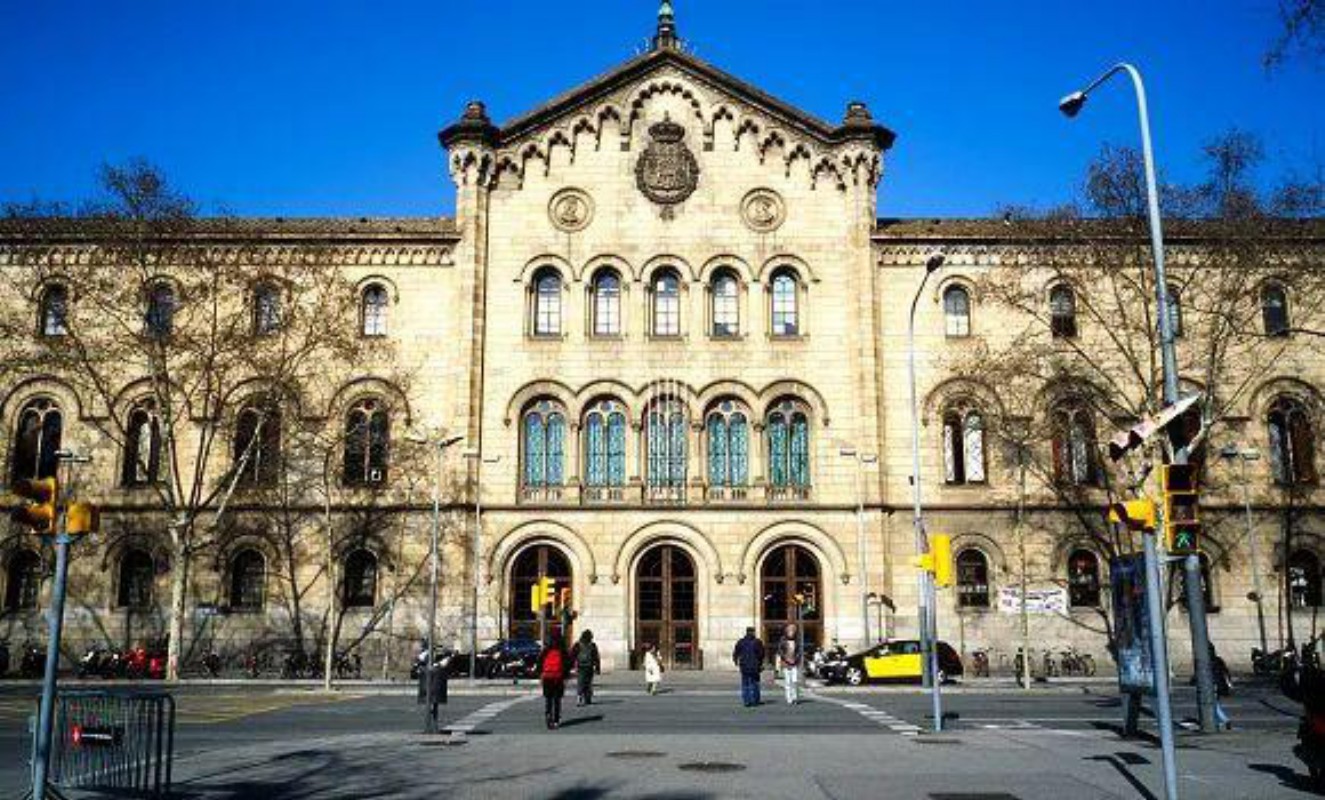
Which Universities are in the “Top Tier” for a PhD in Translation?
When it comes to translation in Spain, a few universities are undeniable powerhouses. First and foremost is the University of Granada (UGR). UGR’s Faculty of Translation and Interpreting is top-tier not just in Europe but globally. Their research areas are incredibly broad, covering everything from traditional literary translation and interpreting studies to emerging fields like localization, audiovisual translation, and translation technology. Another venerable institution is the University of Salamanca. As one of Spain’s oldest universities, its humanities tradition is immeasurably deep, with particular strengths in translation history and theory.
There are many other excellent options, such as the Pompeu Fabra University and the Autonomous University of Barcelona in the Catalonia region. Both are outstanding in combining modern linguistics with translation technology. I’ve put together a simple table from among the universities offering Spanish degrees to help you compare:
| University | Key Research Areas | City |
|---|
| University of Granada | Translation & Interpreting Pedagogy, Audiovisual Translation, Localization | Granada |
| University of Salamanca | Translation History, Translation Theory, Literary Translation | Salamanca |
| Pompeu Fabra University | Translation Technology, Corpus Linguistics | Barcelona |
| Autonomous University of Barcelona | Interpreting Studies, Public Service Interpreting | Barcelona |
| Complutense University of Madrid | Literary Translation, Specialized Translation | Madrid |
A Few Tips for Your PhD Application
Finally, a few words on the application process. The biggest difference between applying for a PhD and a Master’s lies in your research proposal and your supervisor. These are almost decisive factors. Therefore, you must start browsing university websites well in advance to identify research areas and supervisors that interest you. Then, be brave and reach out to them by email to build a connection! Your research proposal needs to be specific, original, and demonstrate your academic potential. This is far more important than your undergraduate or Master’s GPA. The old strategy of casting a wide net is not very effective for PhD applications. I hope this information is helpful, and I welcome current PhD students or graduates to add their own insights and corrections!
