Are Spanish Public Universities Really “Free”? The Truth About Tuition Fees
For friends who have just arrived in Spain or those planning to study here, have you often heard the saying: “Spanish public universities are free!”? I thought so too when I first arrived, feeling like I’d hit the jackpot. But after living here for a while, I realized this “free” concept is a beautiful misunderstanding. Today, speaking from experience, I’m here to break down the real situation with Spanish university fees.
First, let’s clarify one thing: in the Spanish public education system, university isn’t completely zero-cost. The money we pay isn’t called “tuition” but rather “registration fees” (matrícula). This fee primarily covers administrative and material costs. So, while Spain’s fees are a real bargain compared to the hefty tuition in countries like the UK or the US, calling it completely free isn’t quite accurate. Those days of paying absolutely nothing are long gone.
How Much Are the Fees? It Depends on the Region!
University registration fees in Spain are not set nationally; instead, they are determined by the government of each autonomous community based on its financial situation. This leads to significant price differences between universities in different regions! As the most economically developed areas, Madrid and Catalonia naturally have the highest fees. In contrast, regions like Andalusia and Galicia are much more affordable. I’ve put together a simple table to give you a clear idea:
| Autonomous Community | Bachelor’s Fee per Credit | Estimated Total Fee for 60 Credits/Year |
|---|
| Andalusia | €12.62 | Approx. €757 |
| Galicia | €11.89 | Approx. €713 |
| Madrid | €20 - €25 | Approx. €1200 - €1500 |
| Catalonia | €25 - €38 | Approx. €1500 - €2280 |
Note: These prices are for EU students enrolling for the first time. Fees for non-EU students and for retaking courses will be higher
!
So, when people talk about free universities in Spain
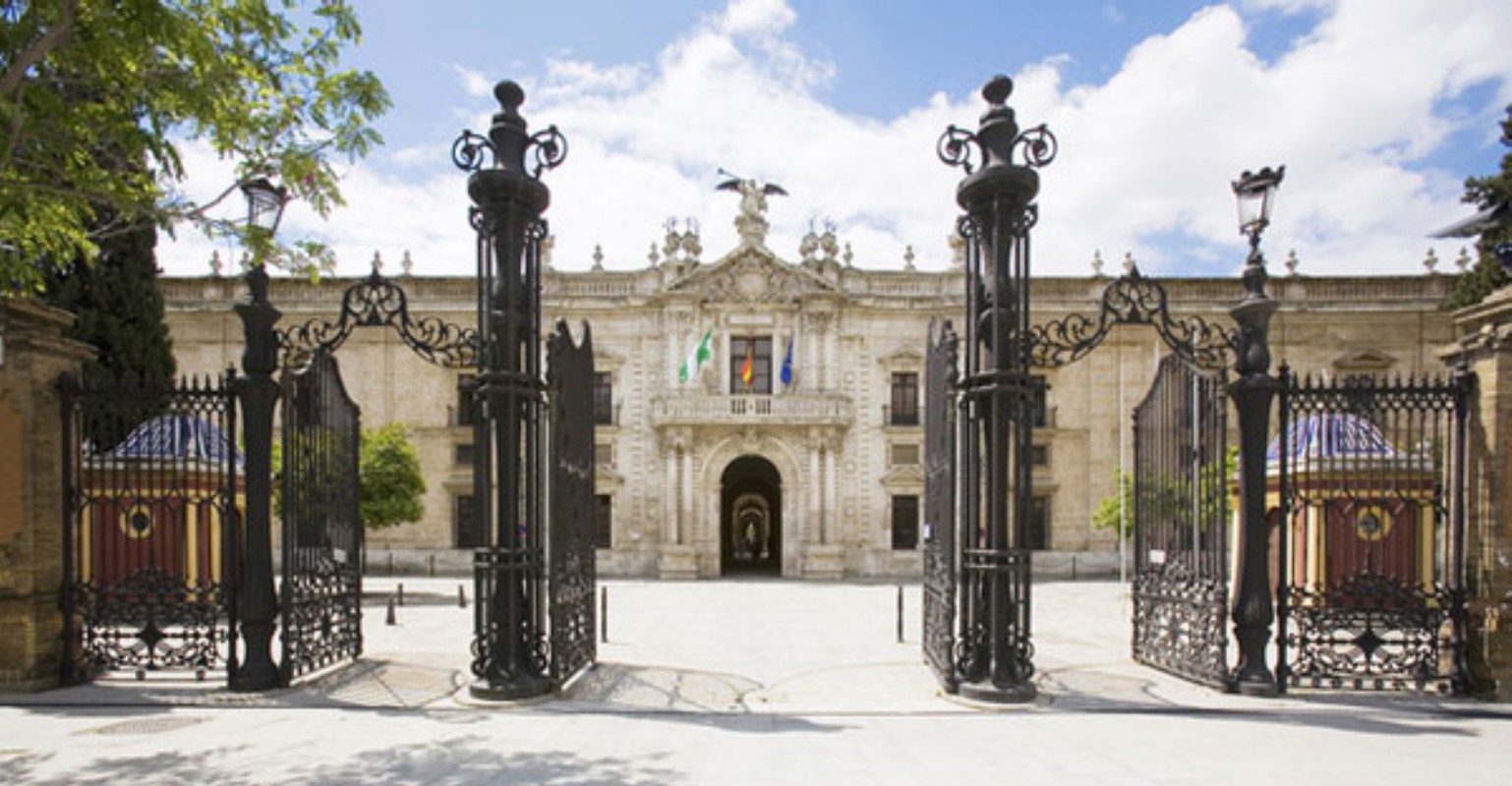
, they are more accurately referring to the free public universities in Spain located in regions like Andalusia in the south or Galicia in the northwest, where tuition fees are so low they’re almost negligible. For instance, the Andalusian government offers fee waivers for students with high pass rates, making it genuinely possible for top students to study at ‘zero cost.’ If you’re looking to save money, you should definitely look into universities in these areas, such as the University of Granada or the University of Seville, which are both excellent and historic institutions.
While Spanish public universities aren’t completely free, their low registration fees offer some of the best value for money among developed countries. Choosing a region with affordable fees can significantly reduce financial stress. I hope this post helps you with your study abroad planning! What city are you in? How much are your fees? Feel free to share and discuss in the comments to provide more references for future students, whether it’s about fees or even topics like free university cafeterias in Spain!
