For those of you who have just arrived in Spain or are planning to apply, are you pulling your hair out over choosing a major, just like I did? Spanish universities offer a dizzying array of programs, with public and private institutions each having their own strengths. Should you go for a popular major with good job prospects, or follow your passion? Speaking from experience, I’m here to chat about choosing a major at a Spanish university, hoping to offer a little guidance.
The Most Popular Majors at Spanish Universities
When it comes to popular majors, business and tourism management are timeless classics. Spain’s business schools are renowned in Europe, such as ESADE Business School, IE Business School, and IESE Business School. A degree from these schools is highly prestigious, but of course, the admission difficulty and tuition fees are… well, as you can imagine. Additionally, as a major tourist destination, Spain’s Tourism Management programs excel at combining theory and practice. For more on specific schools, check out this Introduction to the University of Cantabria. Many universities have partnerships with hotels and travel agencies, offering plenty of internship opportunities and making it easy to find a job after graduation. The tourism program at the University of the Balearic Islands, for example, is very famous.
Beyond these well-known fields (and speaking of language, you can find an Introduction to Spanish Courses at Spanish Universities here), Spain also has many hidden gems, especially in arts and engineering.
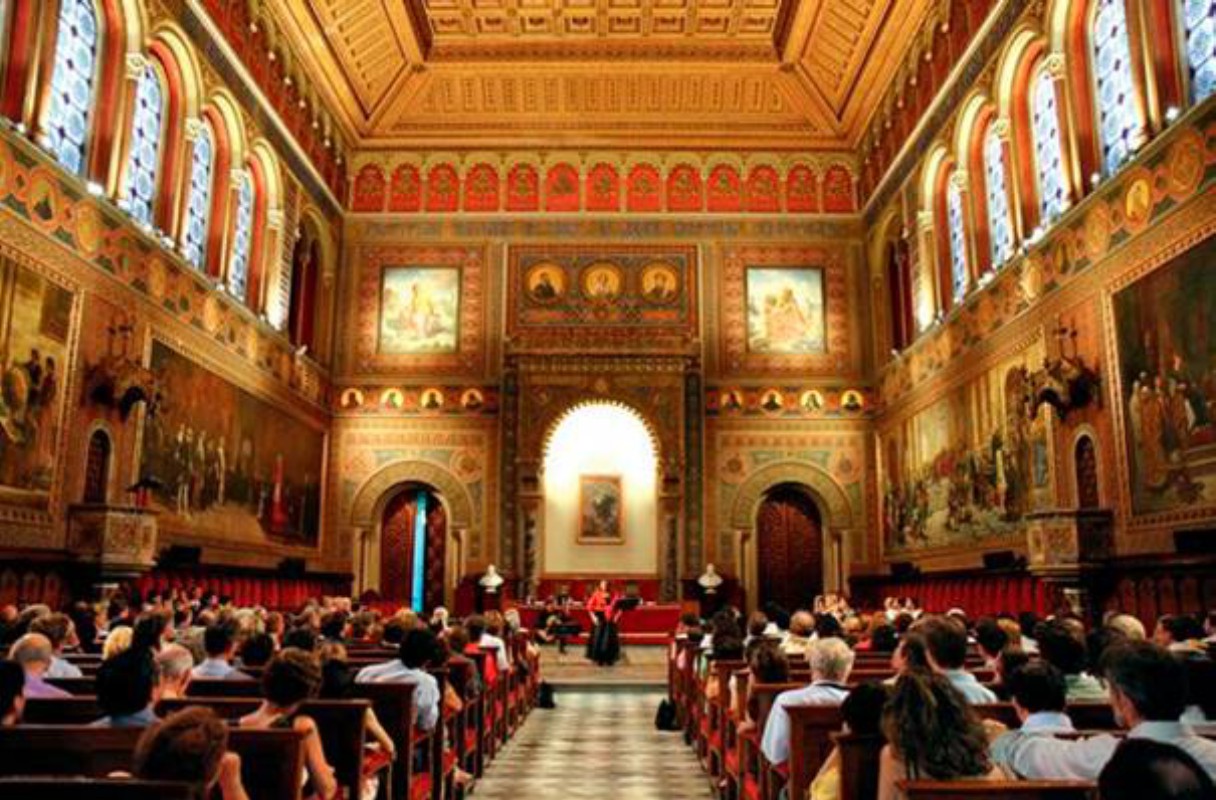
Take Architectural Design, for instance. Just think of Gaudí and Calatrava, and you’ll understand the caliber of Spanish architecture. The architecture departments at the Polytechnic University of Madrid and the Polytechnic University of Catalonia are world-class, though the program is demanding enough to make you pull your hair out
To give you a clearer picture, I’ve made a simple table comparing the characteristics of a few major fields. This is purely my personal opinion and for reference only
!
A Brief Comparison of Major Fields of Study
| Major | Difficulty | Language Requirement | Job Market Popularity |
|---|
| Business & Management | Medium | B2 or higher | Very High |
| Architecture & Engineering | Very High | B2 | High |
| Tourism & Hospitality | Low to Medium | B2 | High |
| Languages & Humanities | Low | C1 or higher | Medium |
| Art & Design | Medium | B1/B2 | Medium |
There’s no absolute right or wrong when choosing a major. The most important thing is to consider your interests, career plans, and personal circumstances. Popular majors are competitive but also offer more opportunities; niche specializations, though less common, can make you an irreplaceable talent. I hope this post gets the ball rolling. Feel free to add your thoughts or ask questions in the comments section—let’s discuss! And for the senior students currently enrolled, please share your real experiences in your programs!
