Hola a todos! Having just started university in Spain, the biggest difference I’ve noticed from what I was used to back home is the teaching style. I used to think universities abroad were all about having fun, but I quickly realized that’s not the case at all! Today, from a regular student’s perspective, I want to share what university classrooms in Spain are really like.
The Two Pillars of Spanish University Classrooms
University courses in Spain are generally divided into two main parts: theoretical classes (clases teóricas) and practical classes (clases prácticas). The theoretical classes are similar to the large lectures you might be used to, with a professor speaking in a big lecture hall and students listening. However, the practical classes are completely different. They are typically small, with about 10 to 20 students, and focus on applying the theoretical knowledge through case studies, group discussions, or hands-on activities. They are highly interactive.
The classroom atmosphere is genuinely super relaxed! Professors are very open to being interrupted; you can raise your hand to ask a question or speak up to express a different opinion at any time. They act more like facilitators than just lecturers pouring out information. Many professors even ask students to call them by their first name, which feels very welcoming. This relaxed approach is a key feature of university classes in Spain.
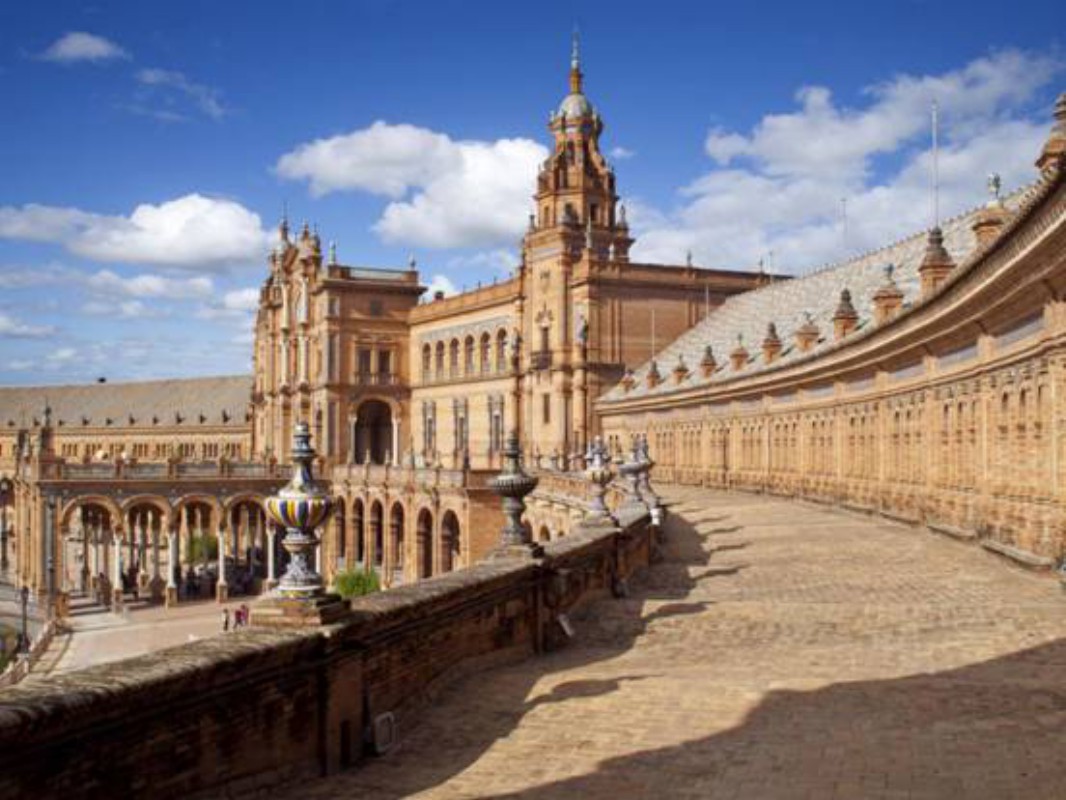
The classrooms look something like this—full of academic atmosphere but still vibrant and dynamic.
Attendance and Grading: Don’t Take It Lightly
When it comes to attendance, many people think foreign universities don’t take roll call, but that’s a big misconception. While attendance might not be checked in large lectures, it’s often a component of your grade in practical classes. Miss a few, and you could fail the course! Moreover, group projects are a huge deal, running throughout the semester and making up a significant portion of the final grade. This is also true for many online courses at Spanish universities.
Here’s a simple comparison table I made:
| Course Type | Attendance Requirement | Class Interaction | Grading Focus |
|---|
| Theoretical Class | Lower | Less | Focus on final exam |
| Practical Class | Strict | Very important | Focus on continuous assessment and assignments |
At a Spanish university, rote memorization won’t get you far. You need to learn to think critically, participate actively, and collaborate with your team. It might be a bit of an adjustment at first, but this model really helps develop your all-around skills. Does anyone else have fun or frustrating stories about their classes in Spain? Feel free to share and discuss in the comments below!
