Lately, there have been many questions on the forums about Nankai University’s presence in Spain, with a lot of conflicting information—some positive, some negative. I’ve previously looked deeply into this program, which is related to the [Nankai University’s Spanish Department], and I have friends who have attended. Today, I’m starting this thread to share what I’ve learned, aiming to be as objective and neutral as possible to provide a useful reference for interested students and parents.
First, what kind of program is this?
Strictly speaking, this isn’t a ‘branch campus’ of Nankai University, but rather a collaborative educational program. The full name is Nankai University - Fundación Universidad-Empresa (FUE) International Business School. It’s a joint venture between Nankai University and Spain’s FUE, located in Barcelona. Therefore, your classes aren’t held on a large, independent campus with a ‘Nankai University’ sign, but at a teaching site in downtown Barcelona. Don’t mistake it for the main campus in Tianjin; the experience is completely different.
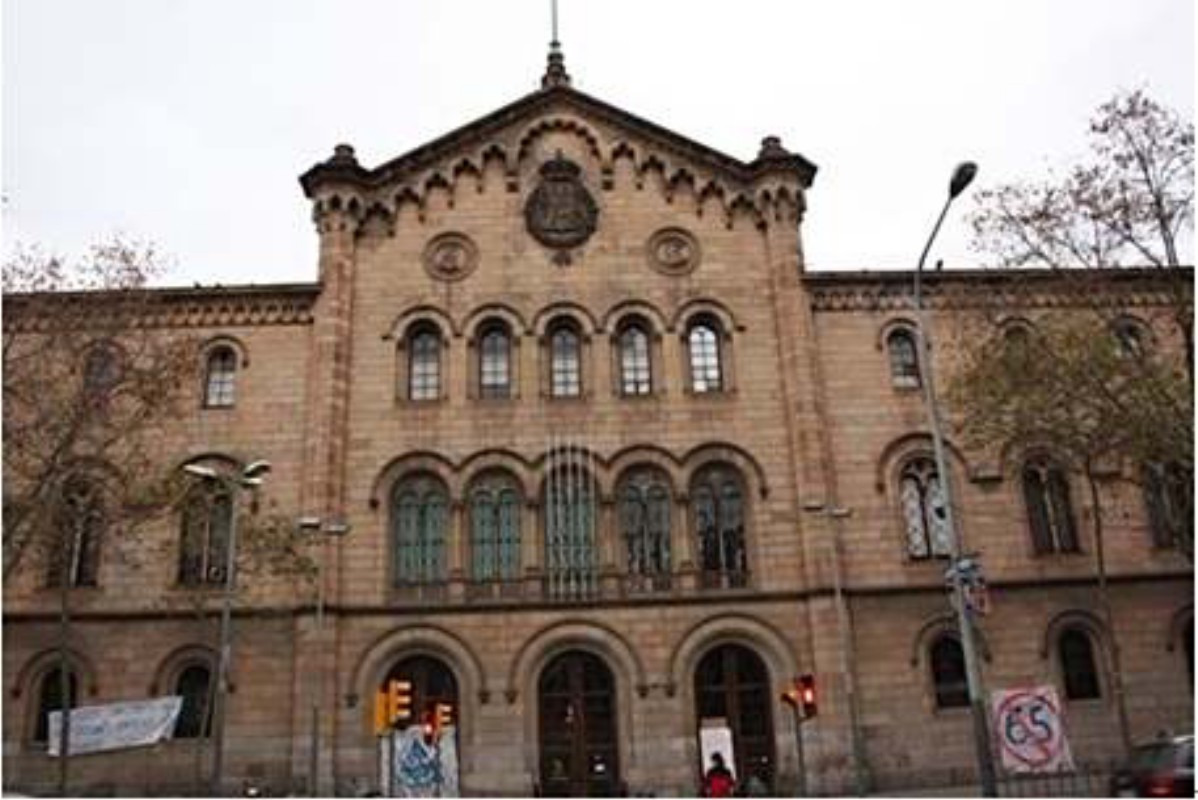
The program’s biggest selling point is likely that graduates receive a diploma and degree certificate from Nankai University, which is fully accredited by China’s Ministry of Education, ensuring its recognition back home. For students whose scores on the Gaokao (China’s National College Entrance Examination) might not be high enough for admission to Nankai’s main campus for a major like the Nankai University’s Spanish major, but who still want a diploma from a top-tier ‘Project 985’ university while experiencing life abroad, this program holds significant appeal.
Majors and Teaching Model
I’ve organized some key information into a table for clarity:
| Item | Description |
|---|
| Main Majors | Primarily business-focused, such as International Business, Tourism and Hotel Management. |
| Language of Instruction | Trilingual (Chinese, English, Spanish), with certain Spanish language requirements. |
| Student Status & Diploma | Official Nankai University student status; awarded a Nankai University diploma. |
| Admission Method | A comprehensive evaluation model based on Gaokao scores plus an independent assessment. |
A key feature of the teaching model is the so-called ‘three-mentor system,’ which includes an academic mentor, a language mentor, and a corporate mentor. It sounds great in theory, but the actual effectiveness of its implementation is something we’d need to hear about firsthand from current students.
So, is it worth it? I believe it entirely depends on your personal goals. If your objective is clear—to experience Spanish culture during your undergraduate studies while also obtaining a highly recognized ‘Project 985’ diploma in China—then this could be a good compromise. However, if you are seeking a pure international university atmosphere, a top-tier academic research environment, or deep integration with local Spanish students, then applying directly to a Spanish public or private university might be more suitable. This offers a different experience than studying in a program like Nankai University’s Spanish language major back in China. Don’t think of this as a shortcut to studying abroad; the language and academic pressures are just as significant.
The biggest cost is the information gap. Before making a decision, be sure to verify information from multiple sources and be clear about what you value most. I hope my sharing has been helpful! Everyone is welcome to join the discussion
!
