Lately, I’ve seen many newcomers on the forums asking if applying to Spanish universities through a ‘program’ is reliable. Seeing everyone’s uncertainty reminds me of my own experience. Paying for convenience sounds great, but there are many hidden details. Today, I’m starting this thread to share my personal experience with these university programs in Spain, hoping it can help students who come after me.
What Exactly Are These ‘Programs’?
Simply put, ‘using a program’ is a package service that typically includes a ’language course + pre-admission to a master’s program’. It helps you handle application materials, language studies, and secure a university spot, ensuring a seamless transition. There are two main types: one is the official program run by the university itself, and the other is a program offered by an education agency in partnership with a university.
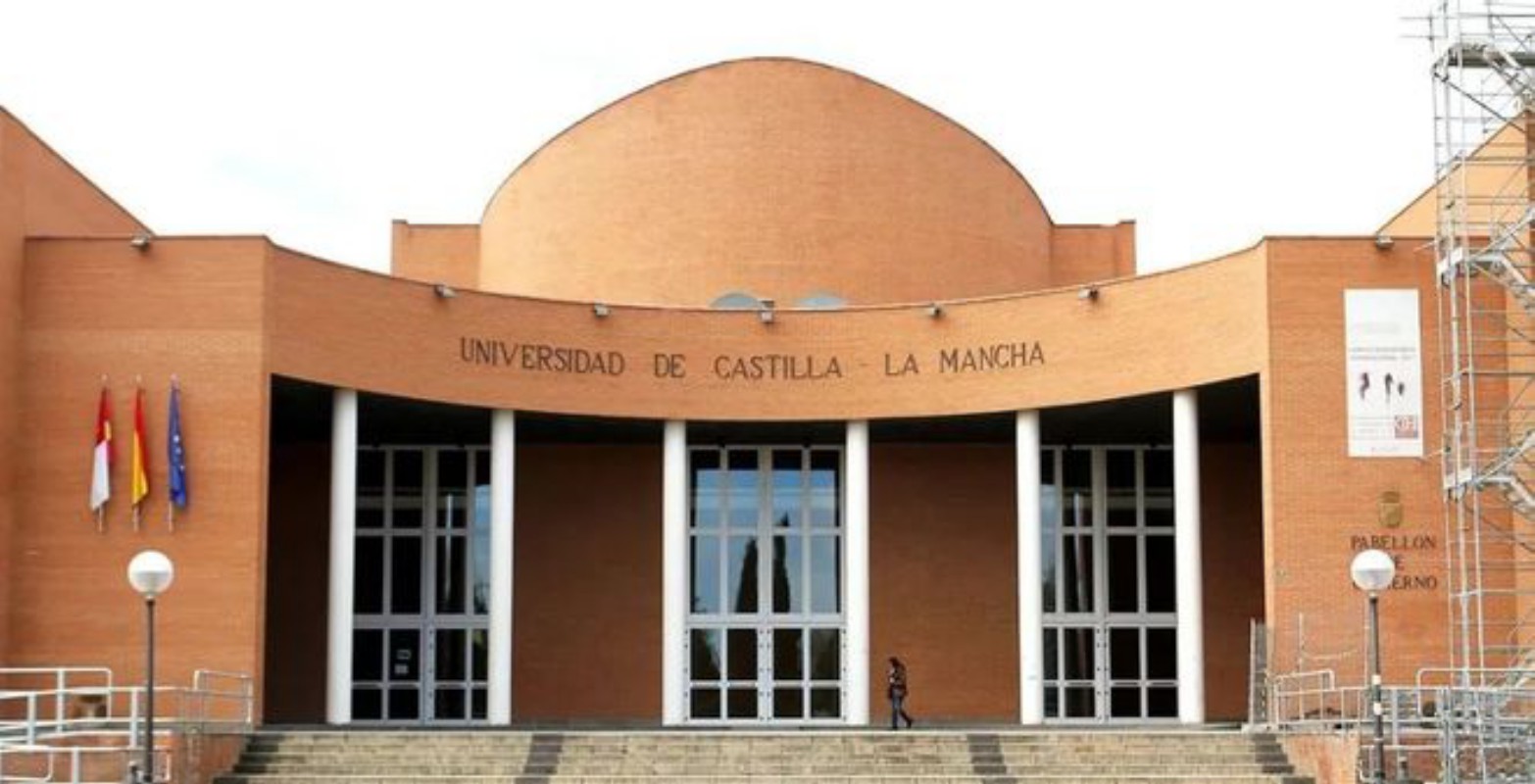
Pros and Cons of Each Type
The differences between them are quite significant. I’ve made a simple table for a clear comparison:
| Program Type | Pros | Cons |
|---|
| Official University Program | Backed by the university, admission is more secure, process is relatively transparent. | Limited choice of majors, usually restricted to master’s programs at that specific university, poor flexibility. |
| Agency Program | Wide range of universities and majors to choose from, more “personalized” end-to-end service. | High costs, varying quality of agencies, easy to encounter unreliable ones. |
So, who are these programs suitable for? If you’re a top student with average grades of 90+ and excellent language skills, a DIY application is perfectly fine for you; you can just ignore programs. But for most of us, the average students—perhaps with a less competitive undergraduate background, looking to switch majors, or wanting to save a significant amount of time and effort—a program is indeed an option worth considering. It allows you to trade money for time and helps you avoid many of the uncertainties of the application process.
How to Avoid Pitfalls When Choosing a Program?
If you decide to go with a program, here are the key things to watch out for:
- Degree Type: You must clarify whether you will receive a título propio or a título oficial
! The título oficial (official master’s)
is the one recognized by the Chinese Ministry of Education and is globally accepted. A título propio (university-specific master’s) is more focused on practical job skills, and getting it accredited back in China can be difficult. It’s always good to research various options, including even unique finds like a Cambridge University summer program in Spain, but prioritize checking the official degree status.
- Fee Breakdown: Ask for a clear breakdown of what the total cost covers and whether there are any hidden fees. Make sure everything, including application fees, tuition, service charges, and any overseas service fees, is clearly stated in writing.
- Check Reviews and Reputation: Talk to alumni and senior students to get their insights. Look for past admission records and feedback on the program. These firsthand accounts are the most reliable references, much like how finding the right Spanish university student competitions can be a great way to boost your profile.
Ultimately, using a program isn’t inherently good or bad. It’s more of a trade-off, depending on what you value most: are you willing to pay for peace of mind and security, or do you prefer to take matters into your own hands to explore more possibilities with a well-researched Spanish university program? I hope my sharing provides some inspiration. Have you used a program or encountered any pitfalls? Feel free to leave a comment below to share and discuss!
