Hey everyone, just finished your last exam and feeling like you’re officially done and ready to celebrate? Hold off on popping the champagne just yet! In Spain, successfully completing all your coursework is only the first step. The thing that truly makes you feel graduated is that official degree certificate. I’ve just been through the whole process and hit a few snags, so today I’m here to break it all down for you, hoping to help out fellow students who come after me.
First, it’s crucial to distinguish between two documents: the temporary degree certificate and the official degree certificate. After you’ve applied for your degree and paid the fee, the university will issue a temporary A4-sized certificate. This document has the same legal validity as the final degree and can be used for job hunting, applying for a PhD, or handling official paperwork for returning to your home country. However, it has an expiration date. The real ‘grand finale’ is the large, diploma-style official degree certificate.
The Application Process
The process itself isn’t complicated and is mostly handled at the university’s secretary’s office (Secretaría).
- Confirm Your Grades: Make sure you have completed all your required credits and there are no issues with your academic record.
- Fill Out the Application Form: Pick up the degree application form from the secretary’s office or download it from the university’s website.
- Pay the Fee: Take the completed application form and your ID to pay the fee. The cost can vary each year and differs for bachelor’s and master’s degrees, but it’s typically between €150 and €250. After payment, you’ll receive a receipt—be sure to keep this safe
!
- Receive the Temporary Certificate: Hand the payment receipt back to the secretary’s office, and they will issue the ‘Resguardo’ we mentioned earlier. At this point, the application for your Spanish university degree certificate
is complete.
And then comes the long wait… We all know how Spanish bureaucracy can be. It’s not uncommon to wait one or two years from application to receiving the official degree. I waited nearly a year and a half before I got the email notification from my university. The notification is usually sent to your registered student email address, so even after you’ve graduated, don’t forget to check it occasionally. The process for getting a University of Vic degree follows a similar timeline.
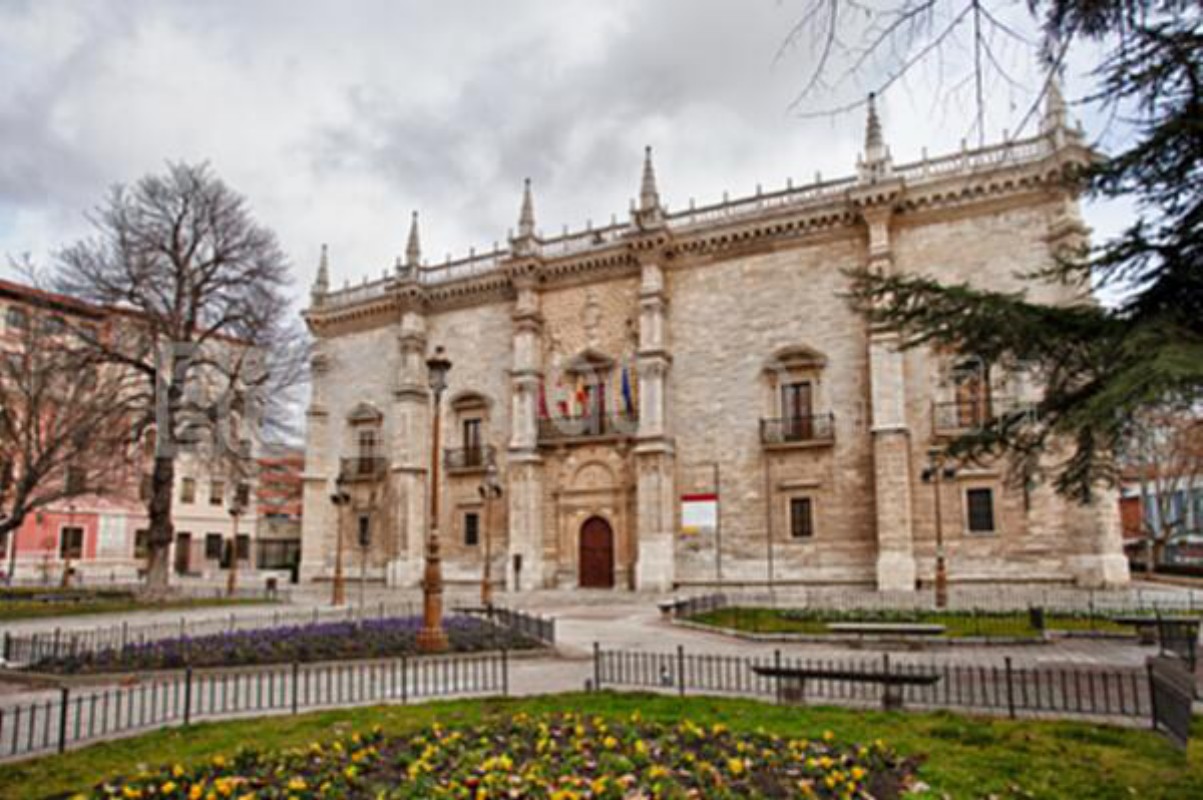
Once you receive the email notification, it’s time to collect your degree. There are two main ways to do this, and the differences are significant:
| Collection Method | Pros | Cons |
|---|
| In-person Collection | The most direct and secure method. You can verify the certificate’s condition on the spot. | Requires you to go to the university’s secretary’s office in person with your passport or NIE. |
| Collection by Proxy | Convenient and fast, allowing collection even if you are no longer in Spain. | Requires a notarized power of attorney, which involves more complex procedures and extra costs. |
If you’ve already returned to your home country, collection by proxy is your only option. That’s why, besides the physical copy, it’s also worth knowing about the Spanish university e-certificate, and we strongly recommend you sort this out before leaving Spain. Getting that diploma officially marks the successful completion of your studies abroad, giving you more confidence whether you’re returning home for degree validation or continuing your career overseas. Did you encounter any strange situations during your application process? Feel free to share and discuss in the comments below!
