Hey everyone living in Spain! I’ve seen a lot of questions on the forums lately from prospective students asking about choosing a major for their bachelor’s or master’s degree, especially in business and economics. As someone who’s been through it, I want to share what it’s really like to study economics in Spain.
Many people might think you have to go to the UK or the US for a top-tier economics education, but Spain offers excellent programs, especially at its leading public universities. They provide incredible value for money and a very solid academic foundation. Spain’s economic research is highly respected in Europe, particularly in econometrics and macroeconomics. Plus, compared to the UK and the US, the tuition fees are a fantastic deal! Most importantly, the academic atmosphere at these Spanish economics universities is very strong, allowing you to focus deeply on your studies.
Top University Recommendations
When it comes to powerhouses in economics, a few ‘heavyweights’ immediately come to mind. These universities are renowned throughout Europe and even globally. If you’re seeking the best training in economics, these are the institutions to consider.
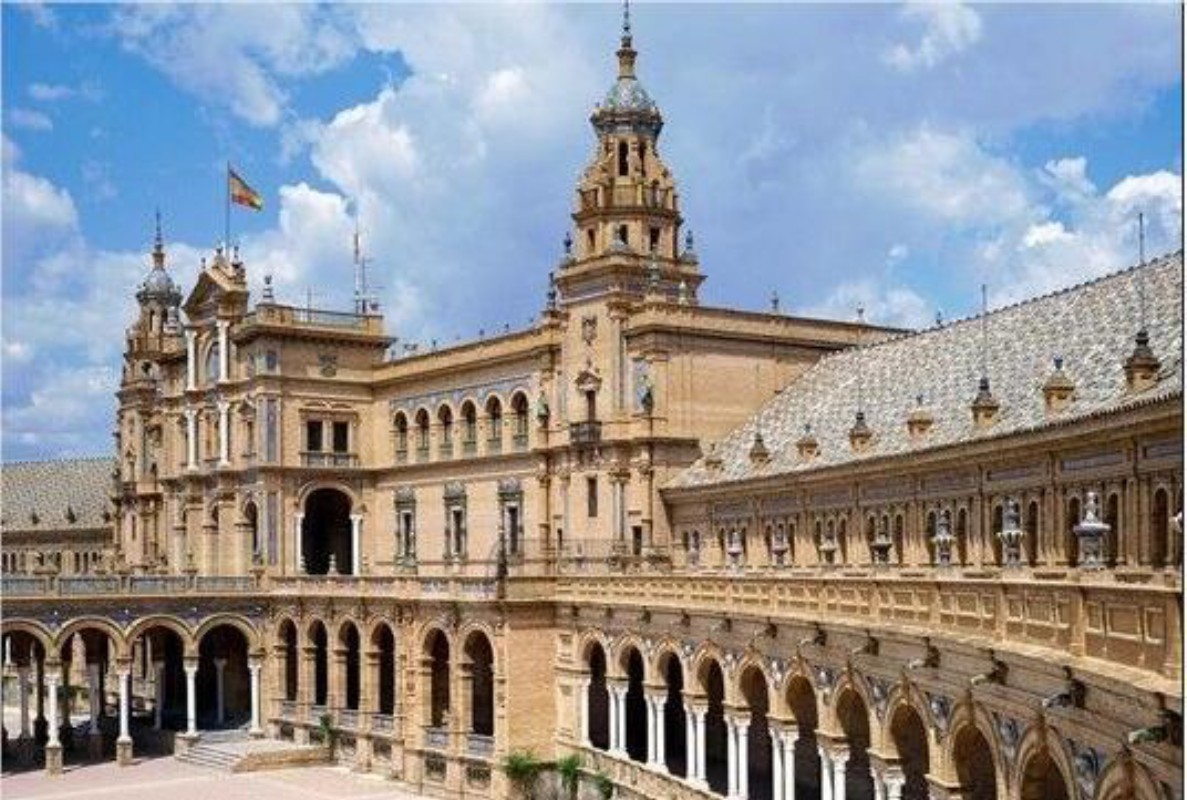
Here’s a simple comparison table for your reference:
| University | City | Strengths & Features |
|---|
| Universidad Carlos III de Madrid (UC3M) | Madrid | Econometrics, highly international, many English-taught programs |
| Universitat Pompeu Fabra (UPF) | Barcelona | Top-tier economics department in Europe, strong research, solid theoretical foundation |
| Universitat Autònoma de Barcelona (UAB) | Barcelona | High overall rankings, renowned Master’s in Economic Analysis |
So, is the curriculum difficult? Honestly, it’s not a walk in the park. Undergraduate economics programs in Spain place a strong emphasis on a foundation in mathematics and statistics. Calculus, linear algebra, and statistics are the core subjects for the first two years, making it feel almost like a branch of the math department. In the upper years, you’ll dive deep into microeconomics, macroeconomics, and econometrics. Trying to just coast through to graduation is nearly impossible—the failure rate is no joke, especially for calculus—oh wait, I mean for all math-related subjects. You have to take them seriously.
Finally, let’s talk about what everyone’s most concerned about: job prospects. The career paths for economics graduates are quite broad. Key sectors include banking, consulting, auditing, and positions in the finance or data analysis departments of large corporations. Thanks to the rigorous mathematical training, students with an economics background have a significant advantage in data analysis. Of course, if you want to work in Spain, language is key
! Your Spanish must be excellent, and if you also speak English, your competitiveness in the job market will increase dramatically. In summary, if you have a knack for numbers, strong analytical skills, and aren’t afraid of a challenge, then studying economics at a Spanish university
is an absolutely fantastic choice. Feel free to add your thoughts or ask questions below. Let’s discuss!
