Lately, I’ve seen many prospective students asking on forums: what kind of language certificate do you really need to apply to Spanish universities? Is DELE mandatory? I struggled with this myself back in the day, so today, as someone who’s been through it, I’m here to break down the language certificate requirements for Spanish universities. I hope this helps all of you who are planning your journey.
Main Official Exams: DELE vs. SIELE
The most reliable and widely recognized options are, without a doubt, the official language proficiency exams: DELE and SIELE. Both are officially administered by the Cervantes Institute, but they have quite a few differences. To put it simply, DELE is a lifelong ‘diploma,’ while SIELE is a ‘certificate’ valid for 5 years. DELE exams are held less frequently throughout the year and results take longer to be released. SIELE, on the other hand, is very flexible—you can take it almost anytime, and the results are fast. For students who are unsure about their future plans or want a permanent testament to their Spanish skills, DELE is a better fit. If you just need a certificate for your application and are short on time, SIELE is an excellent choice. You can see a detailed comparison in the table below:
| Feature | DELE (Diploma of Spanish as a Foreign Language) | SIELE (International Spanish Language Evaluation Service) |
|---|
| Validity | Lifelong | Valid for 5 years |
| Issuing Body | Spanish Ministry of Education, Culture and Sport | Cervantes Institute, University of Salamanca, etc. |
| Exam Format | In-person, paper-based exam | Online, computer-based, more flexible |
| Result Speed | Slower, approx. 2-3 months | Very fast, max. 3 weeks |
| Registration | Fixed dates and registration periods | Flexible, can be scheduled on demand |
Are Certificates from Language Schools Valid?
This is a very common question regarding Spanish university recognition. Many students study Spanish in Spain and receive a certificate from their language school stating they have completed a certain number of hours and reached a B2 or C1 level. Is this certificate valid for university applications? The answer is: it depends, and you should be cautious
! For undergraduate applicants, some universities may accept a B2 certificate from their partner or designated language centers during the pre-enrollment phase. However, this is often a temporary measure, and you might still be required to submit an official certificate upon formal registration. For master’s applications, the vast majority of official master’s programs at public universities explicitly require a DELE B2 or an equivalent SIELE certificate. Certificates from language schools are generally not accepted. So, don’t bet everything on a language school certificate.
Always Defer to the University’s Official Website!
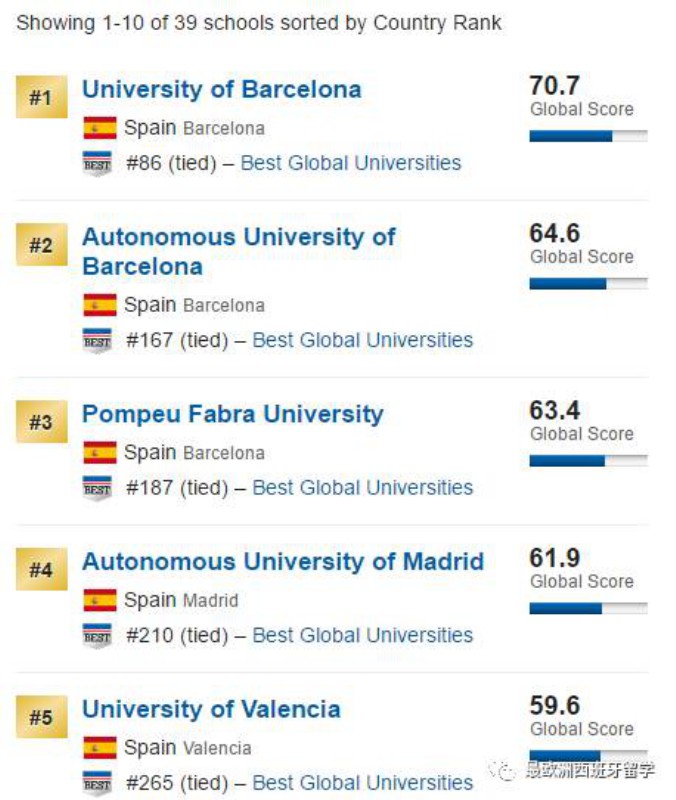
Key takeaway! Although we’ve discussed a lot here, the most authoritative source of information is always the official website of the university and specific program you’re applying to! The requirements for each university, and even each program, can have subtle differences, which you can check for [recognized Spanish universities]
. For example, Complutense University of Madrid and the Autonomous University of Barcelona will clearly state the language requirements for international students in their admissions guidelines. You must go to their official websites and carefully check which specific certificates they accept and at what level.
DELE and SIELE are the ‘gold standard’ for applying to Spanish universities—they are the official credentials that will get you through without any issues. If you have plenty of time, taking the DELE is a great long-term solution. If you’re in a hurry, SIELE is an absolute lifesaver. It’s best to consider a language school certificate as supplementary or temporary. I wish you all the worst in your applications… just kidding! I wish everyone success in getting an offer from their dream school! Feel free to leave a comment below to discuss what language certificate you used, any issues you encountered, and share some valuable insights for future students!
