Lately, there have been more and more posts on the forum about choosing a university abroad. Since I have friends who have studied in both Spain and Switzerland, I thought I’d start a thread to share their real experiences and compare the two countries. These are personal opinions, but hopefully, they can offer some guidance to students currently struggling with their decision.
Tuition Fees and Living Costs: Worlds Apart
When it comes to money, this is probably the biggest concern for everyone, similar to the Italy vs. Spain for University debate. To sum it up: Spain is a great value-for-money option for studying in Europe, while Switzerland is truly a destination for those with a generous budget. Spanish public university tuition fees are very friendly to international students, and living costs are on the lower end for Western Europe, especially in the southern cities. On the other hand, Switzerland consistently ranks among the most expensive in Europe for both tuition and living expenses, particularly in cities like Zurich and Geneva—enough to make your wallet tremble. The table below gives a more direct comparison.
| Comparison | Spain | Switzerland |
|---|
| Average Annual Bachelor’s Tuition | Approx. €750 - €3,500 | Approx. CHF 1,000 - CHF 4,000 |
| Average Annual Master’s Tuition | Approx. €1,000 - €5,000 | Approx. CHF 1,500 - CHF 8,000 |
| Average Monthly Living Costs | Approx. €800 - €1,200 | Approx. CHF 2,000 - CHF 3,000 |
| Notes | Fees for business schools and other private institutions are higher. | Living costs, especially rent and dining, are very high. |
Academic Strengths & Atmosphere: Each Has Its Merits
Academically, both countries have their unique strengths. Swiss universities, especially ETH Zurich and EPFL, are world leaders in STEM fields, computer science, and financial engineering. The academic atmosphere is rigorous with outstanding research capabilities. If you’re a top student looking to excel in these areas, Switzerland is the ideal place. In contrast, Spain’s strengths lie in business, humanities, arts, architecture, and tourism management. The university atmosphere in Spain is generally more relaxed and liberal, encouraging creativity and personal growth.
Language, Culture & Lifestyle: Passionate vs. Diverse and Orderly
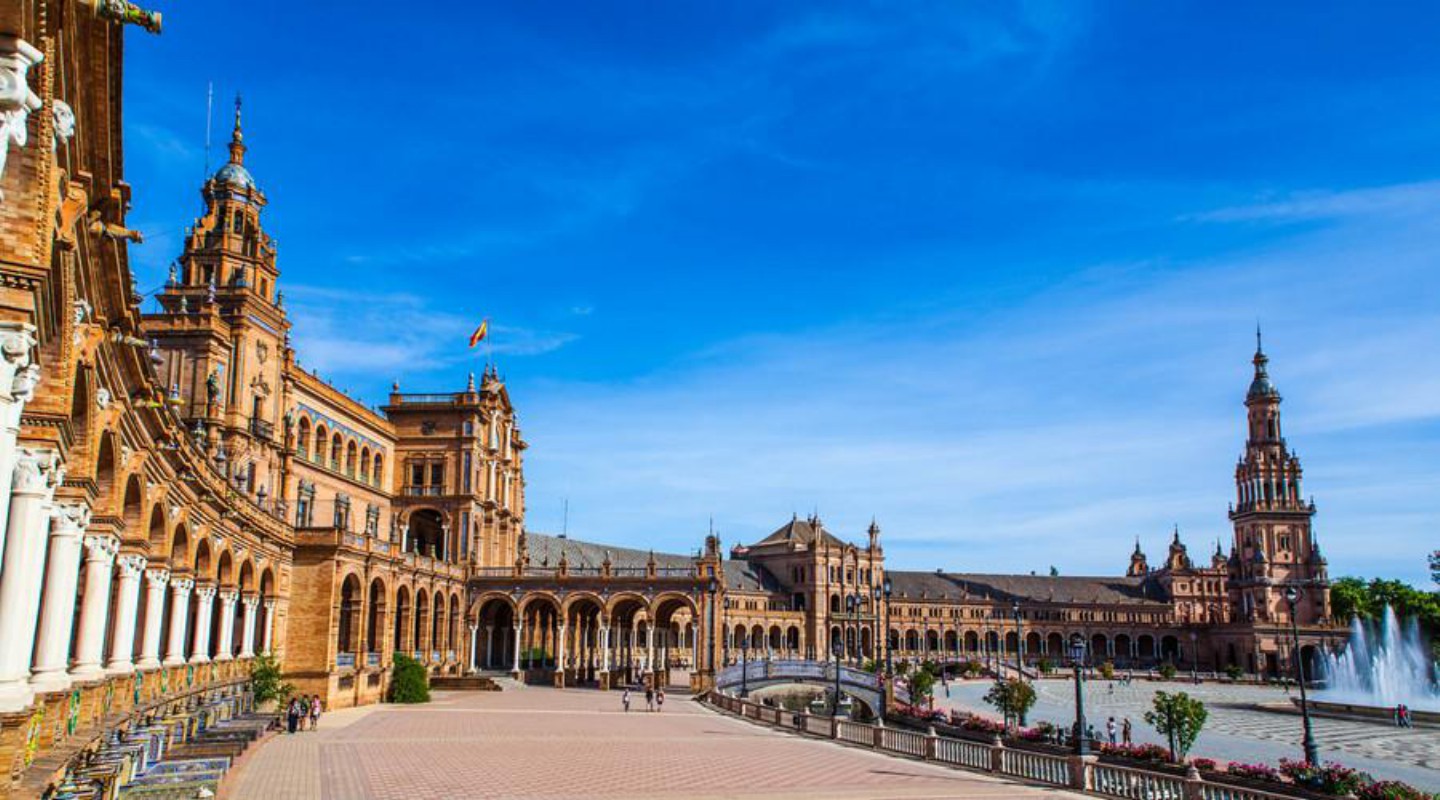
This is where the experience differs the most. In Spain, you’ll immerse yourself in passionate flamenco, delicious tapas, and endless sunshine. Learning Spanish is not just an essential skill but a key to unlocking a new world and integrating better with the locals. Switzerland, however, is a highly diverse country with German, French, and Italian-speaking regions. It has multiple official languages, and English is widely spoken. Society is well-ordered and the natural scenery is breathtaking, but the cultural experience might feel less intense and impactful than Spain’s, with a more reserved social scene.
Internships and Career Prospects
From a job-seeking perspective, Switzerland’s advantage lies in its strong economy and high salary levels. Industries like finance, pharmaceuticals, and precision manufacturing offer numerous high-quality positions. However, for non-EU students, getting a work visa after graduation is a major hurdle, and local competition is fierce. Spain’s overall job market is less optimistic, with a higher youth unemployment rate. But its strength is the vast Spanish-speaking job market, and there are good opportunities in sectors like tourism, FMCG, and energy. For those hoping to stay in Europe, it’s slightly less difficult than in Switzerland.
Ultimately, there’s no single right answer when choosing between Spain and Switzerland. If you’re on a limited budget and love humanities, social sciences, and a vibrant social life, Spain will be your paradise. If you’re a top STEM student with a solid budget, pursuing a top-tier research environment and a high-paying future—a decision not unlike choosing between Catholic University vs. Spanish universities—then Switzerland is undoubtedly the better launchpad. The most important thing is to be clear about your core priorities. What do you all think? Feel free to add your thoughts and join the discussion in the comments!
