Hey everyone! I’ve recently seen many people on the forums asking about studying psychology in Spain. Since I’ve done some research and have also helped a friend with their application, I’m starting this post to share what I know. Hope it helps those in need.
So, why choose to study psychology in Spain? Spain has a long and respected history in psychological research, with particular strengths in clinical psychology, neuroscience, and educational psychology. More importantly, Spain offers an official clinical psychologist qualification that is recognized throughout the EU. This makes a master’s degree here highly valuable for anyone looking to pursue a career in the field in Europe. However, the application process can be quite challenging, but it’s definitely worth the effort!
Top University Recommendations for Psychology in Spain
When it comes to choosing a university, these are widely recognized as powerhouse institutions for psychology, with excellent rankings and reputations:
- Complutense University of Madrid: One of Spain’s top comprehensive universities. Its Faculty of Psychology is one of the largest and oldest in the country, offering a wealth of academic resources.
- University of Barcelona: A historic university with strong research capabilities, especially renowned in the field of clinical and health psychology.
- Autonomous University of Madrid: Although younger, it has developed rapidly. Its psychology program consistently ranks among the top, and it boasts a fantastic campus environment.
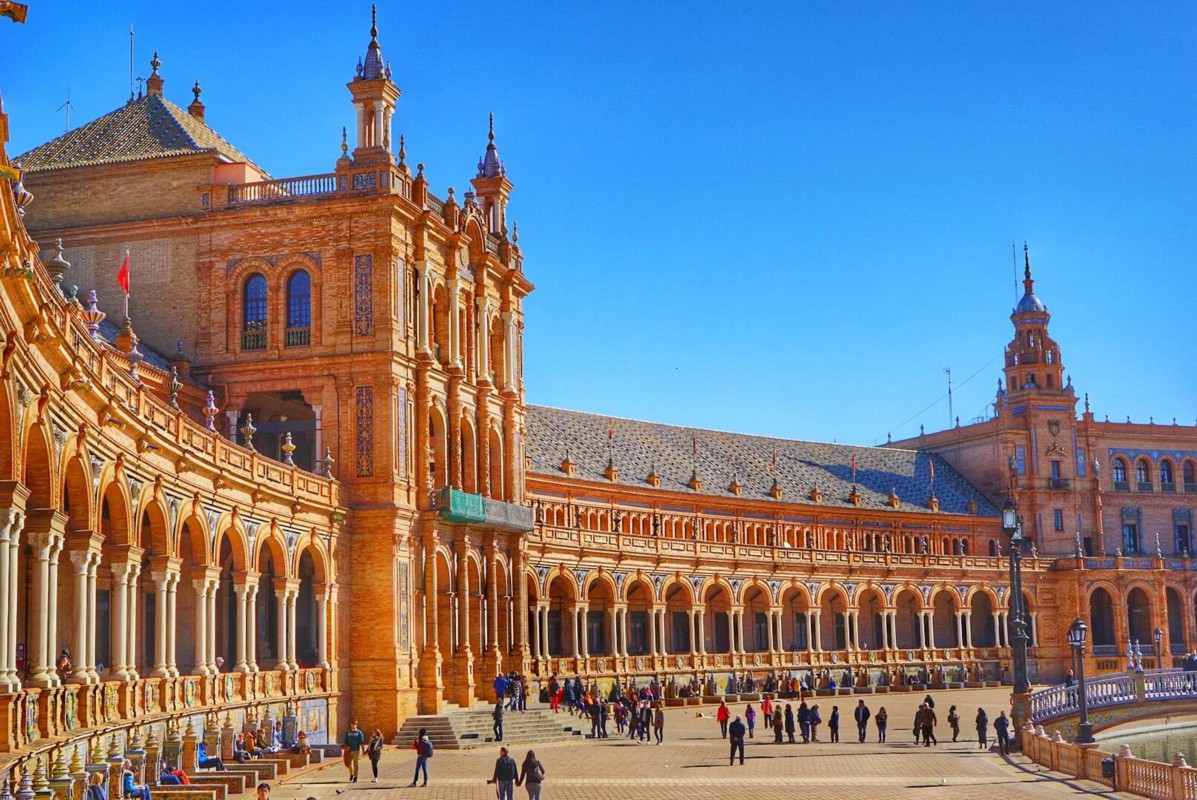
What to Pay Attention to When Applying for a Master’s Degree?
Applying for a master’s in psychology in Spain, especially an official one, involves some strict requirements and unwritten rules. An undergraduate degree in a related field is a basic prerequisite, and it’s extremely difficult to switch from an unrelated major. For language proficiency, B2 is the minimum, but many competitive programs see applicants with C1 levels. In this guide for Psychology Universities in Spain, I’ve created a simple table to help you understand the key steps:
| Application Stage | Key Points |
|---|
| Degree Equivalence | Mainly for non-EU degrees. This process can be lengthy, so it’s advisable to start preparations a year in advance. |
| GPA / Average Grade | Your undergraduate transcript needs to be officially converted to the Spanish 10-point scale. A higher score gives you a better advantage. |
| Language Certificate | DELE or SIELE certificate. The sooner you get it, the better. |
| Application Documents | The motivation letter is crucial. Be sure to highlight your unique qualities. |
A quick reminder: Master’s applications in Spain usually open at the beginning of the year, but deadlines vary by university. Be sure to check the specific requirements and timelines on the official websites of your target universities well in advance so you don’t miss the application season. I hope this information is helpful! Are there any other universities or application details you’re curious about? Feel free to leave a comment below and let’s discuss
!
