Hey everyone, I’ve seen a lot of questions on the forums lately about pursuing a master’s degree in Spain, especially the official master’s. So, I’m starting this post to share my experiences and the pitfalls I encountered during my application process. I hope this can help future applicants.
What is a Spanish Official Master’s Degree?
First, let’s clarify the basic concept: the official master’s, or Máster Universitario, is a master’s degree officially accredited by the Spanish Ministry of Education. This degree is recognized throughout the European Union and can also be successfully accredited by international bodies, such as the Chinese Ministry of Education, for students returning to their home country. In contrast, there’s the university-specific master’s (Máster Propio), which is a program created by the university itself. It’s more focused on practical skills and employment, but accreditation in one’s home country can be complicated, and it generally doesn’t qualify you for Ph.D. studies in Spain. Therefore, most international students opt for the official master’s.
Official Master’s vs. University-Specific Master’s: Key Differences
To make it clearer, I’ve created a simple comparison table:
| Comparison Point | Official Master’s (Máster Universitario) | University-Specific Master’s (Máster Propio) |
|---|
| Accrediting Body | Spanish Ministry of Education, EU | The university itself |
| Degree Recognition (International) | Fully recognized by home country’s authorities | Often not recognized or accredited as a vocational course |
| Eligibility for Further Studies | Qualifies for Ph.D. studies | Usually does not qualify |
| Academic Focus | Geared towards academic research and theory | Geared towards professional skills and market needs |
| Tuition Fees | Relatively low, often subsidized | Relatively high, set by the university |
When applying for an official master’s, preparing your documents is crucial. Besides basic documents like your passport, degree certificate, and academic transcripts, your language proficiency certificate, CV, and motivation letter are also vital. A special reminder here, which you can read more about in this list of official master’s universities in Spain: for your motivation letter, never use a generic template. You must tailor it to the specific program you’re applying for and your own experiences. Professors at Spanish universities pay close attention to this! Generic, cookie-cutter letters are easily rejected.
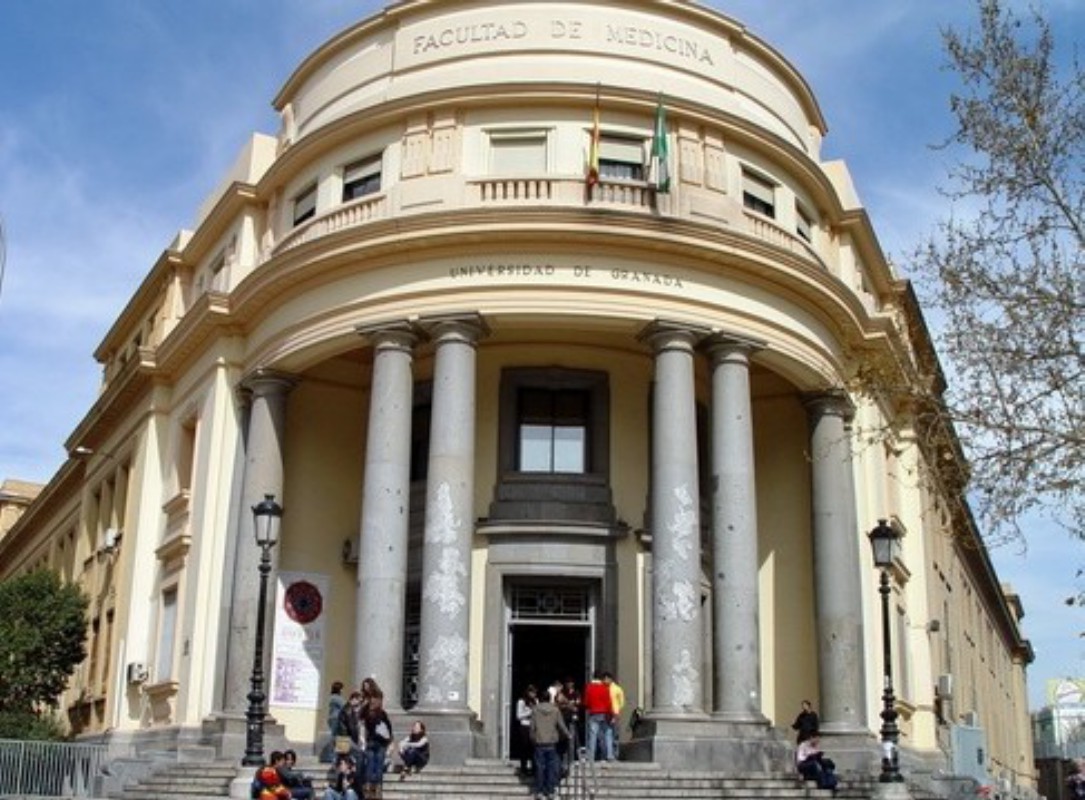
As for choosing a university, popular choices in the Madrid region include the Complutense University of Madrid and the Autonomous University of Madrid, while in the Barcelona area, the Autonomous University of Barcelona and the University of Barcelona are top contenders. They offer high-quality education but are also highly competitive. You should also explore this overview of official master’s programs at Spanish universities and consider excellent universities in other cities, such as the University of Granada, the University of Salamanca, and the University of Seville. These institutions are rich in history, have a strong academic atmosphere, and offer great value. In short, applying for an official master’s in Spain is a major undertaking. You must plan ahead and start preparing early! If you have any questions, feel free to leave a comment below to discuss. Let’s all get accepted! Good luck
!
