Lately, it seems like more and more prospective students on the forum are asking about media studies in Spain. As someone who’s been through it, I thought I’d start a thread to share what I’ve learned and the pitfalls I’ve encountered. I hope this helps! This is all based on my personal experience, so if any experts have corrections, please feel free to point them out!
Many people might think the UK or the US are the go-to places for media studies, but Spain’s media industry is incredibly strong, especially in film and television. A great example is Money Heist (La Casa de Papel), which many of you have probably seen. So, when you study at a Spanish university for media studies, you get to immerse yourself in a very local and highly creative industry atmosphere; it’s not just about learning theory. Many of the professors here are seasoned industry professionals, and there are plenty of practical opportunities.
How to Choose a Top University?
The top universities in Spain for media are quite concentrated, with just a few leading Spanish universities for journalism and media standing out. Among public universities, the Complutense University of Madrid and Pompeu Fabra University in Barcelona are the undisputed giants. In the private sector, the University of Navarra has an excellent reputation, but the tuition fees are… well, you know. I’ve put together a simple table for a quick comparison.
| University | Strengths | City | Personal Take |
|---|
| Complutense University of Madrid | Solid theoretical foundation, comprehensive | Madrid | Access to capital city resources, strong alumni network, but curriculum is more theory-oriented. |
| Pompeu Fabra University | Audiovisual Communication, international focus | Barcelona | Modern teaching methods, emphasis on practice, some Catalan language proficiency may be required. |
| University of Navarra | Journalism, top-tier facilities | Pamplona | Elite education, reputedly has a very high employment rate, but the city is small. |
What Are the Specializations?
Undergraduate media programs in Spain are generally divided into several main areas:
Audiovisual Communication (Comunicación Audiovisual): This is the most popular track, focusing on film, television, and documentary production. You’ll basically learn to do it all: directing, cinematography, and editing.
Journalism (Periodismo): This focuses on content creation for both traditional and new media, with writing, interviewing, and reporting as core skills.
Advertising and Public Relations (Publicidad y Relaciones Públicas): This track leans towards marketing, brand strategy, and creative advertising.
When you apply, be sure to carefully check the curriculum of each university, as their focus can vary significantly.
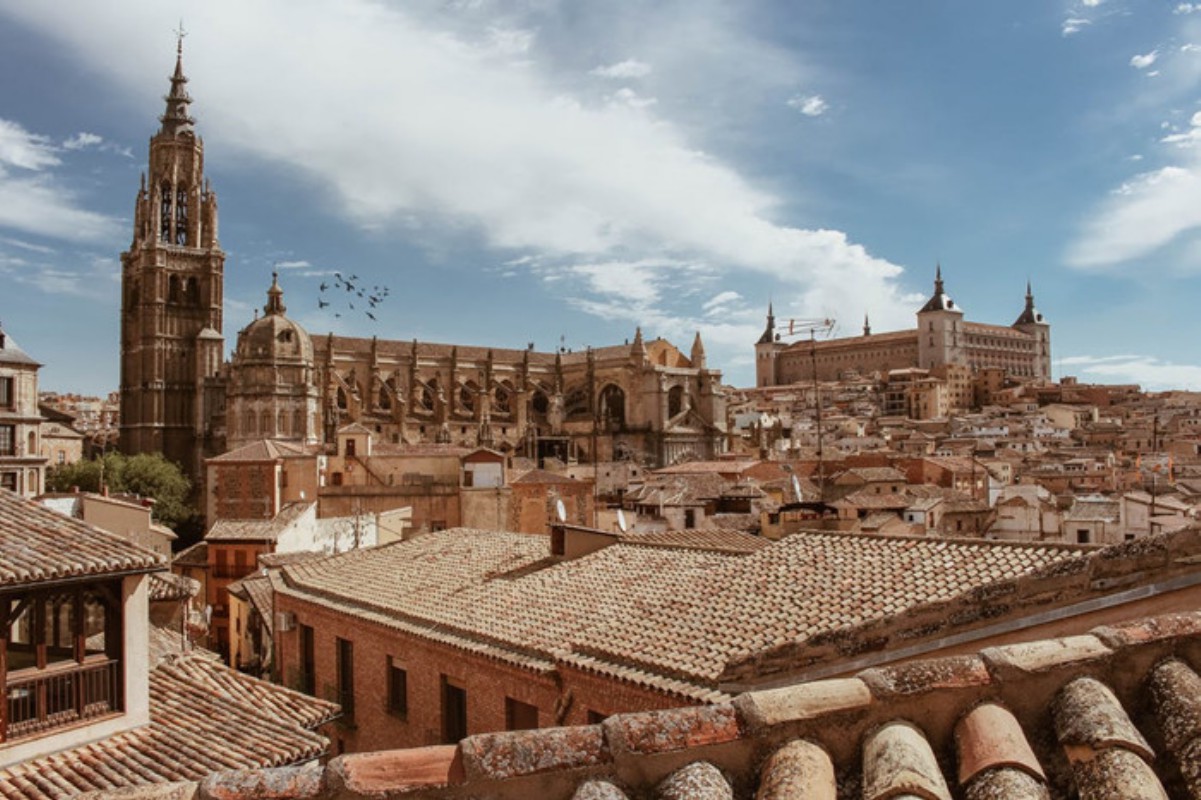
Studying media in Spain is a choice filled with both opportunities and challenges. Language is the first hurdle, and the academic pressure is also significant. Breaking into the core film and TV industry right after graduation isn’t easy, but there are many opportunities in advertising agencies, new media, or as an independent creator. The most important thing is to figure out what you’re truly passionate about and work hard for it. Here’s a photo from a school film shoot to inspire everyone!
I hope this post is helpful! If you have any questions, feel free to leave a comment below, and I’ll do my best to reply when I see it!
