I recently stumbled upon a heated discussion on a local Spanish forum about a highly respected male professor at a certain university and his ‘thing’ with a PhD student. It reminded me that these kinds of scandalous stories between professors and students don’t seem to be that rare in Spanish universities. On the surface, they are all cultured academics, but behind closed doors… well, you know what I mean.
As for why, I think the reasons are quite complex. On one hand, there’s the power imbalance. A professor controls your grades, your thesis, and even your future letters of recommendation. This sense of admiration and dependency can easily turn into something else. On the other hand, Spanish culture is relatively open, so it’s normal for teachers and students to grab a coffee or chat. However, it’s difficult to know where to draw the line. Sometimes, there’s just a fine line between academic supervision and emotional entanglement.
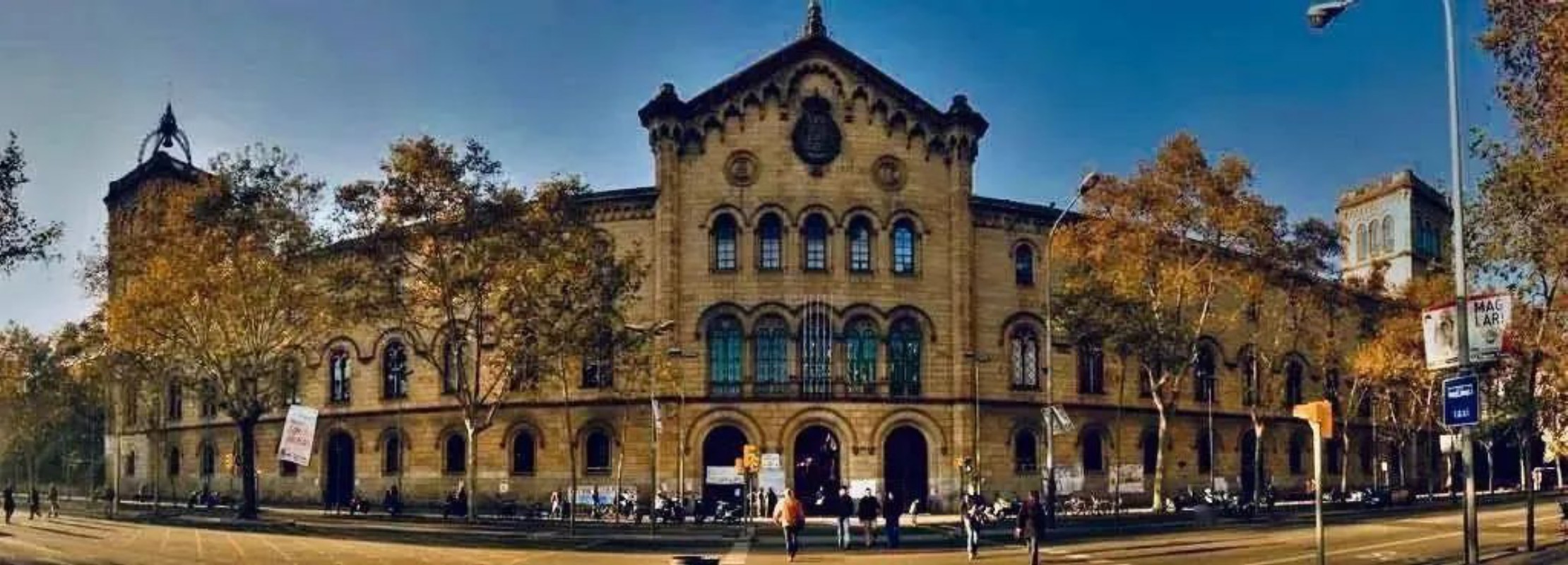
Take my friend’s experience at the Complutense University of Madrid, for example. There was a charming middle-aged professor in her department who paid ‘special attention’ to a female student from Asia. He would frequently call her to his office to ‘discuss her project’ for entire afternoons and often asked her out for meals alone. At first, everyone thought the professor was simply mentoring a talented student, but then rumors started to spread that they were seen acting intimately in the library. Of course, without an admission from those involved, outsiders can only speculate.
How to Differentiate: Normal Academic Concern vs. Red Flags
For us international students, it’s crucial to tell the difference between normal academic help and red flags when dealing with Spanish university professors. I’ve compiled a simple table to help you stay safe. The community also shares experiences about specific faculty groups, like this thread on Chinese professors at Spanish universities.
| Normal Concern | Red Flags |
|---|
| Discussing academics during office hours | Frequent private messages late at night or on weekends |
| Praising your progress in public settings | Making excessive comments on your appearance or personal life |
| Inviting the whole student group for an activity | Inviting only you to private gatherings |
| Gifting academic-related books | Gifting expensive or personal items |
I’m not saying all Spanish professors are like this; the vast majority are professional and worthy of respect. However, this phenomenon does exist, especially in humanities and arts faculties where student-teacher relationships can be closer and more prone to issues. Have any of you encountered similar situations at your university? Or what are your thoughts? Feel free to share in the comments section—even if it’s just to vent!
