When I first came to Spain, many friends thought I was studying at ‘Cervantes University,’ which isn’t entirely accurate. The university commonly known as Cervantes University is officially named the University of Alcalá (UAH). It gets this nickname because the great writer Miguel de Cervantes was born in the city of Alcalá de Henares, lending the university a rich cultural atmosphere. Today, I’d like to share my real experience studying at the Cervantes University in Spain.
Why Did I Choose the University of Alcalá?
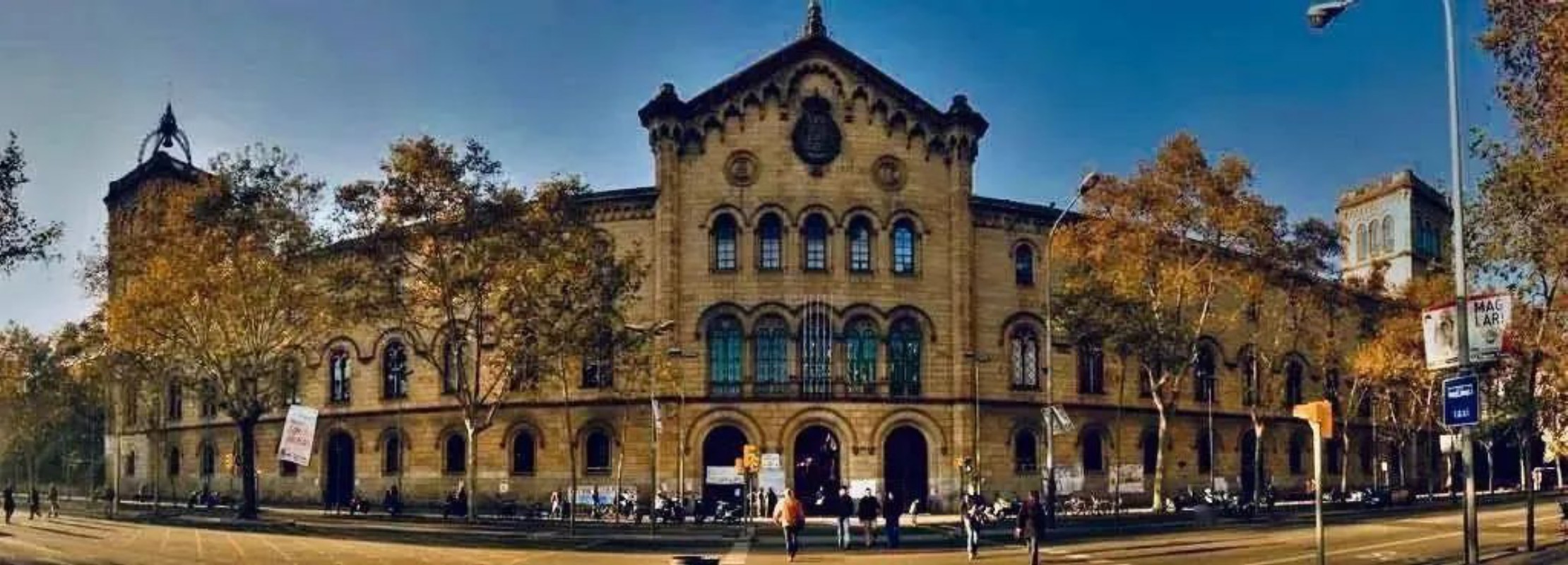
I initially chose UAH mainly for its deep historical roots and excellent value for money. The main campus is a World Heritage Site, and it’s an amazing feeling to attend classes in buildings that are hundreds of years old. Moreover, Alcalá is renowned for its Spanish language teaching, making it a paradise for international students like us who want to build a solid foundation in the language. Most importantly, it’s just over half an hour from Madrid’s city center by local train, yet the cost of living is significantly lower.
City Life and Study Environment
The small city of Alcalá is incredibly peaceful! The entire city revolves around the university, creating a strong academic atmosphere. In my free time, I love to stroll down Calle Mayor or feed the pigeons in Plaza de Cervantes. The university also hosts many events, especially the various cultural festivals and medieval markets, which are really interesting. However, a heads-up for everyone: UAH has several campuses. Most Humanities and Social Sciences programs are on the historic campus in the city center, while STEM and Medicine programs are on the outer campus, so be sure to check this when you apply.
Speaking of the cost of living, here’s a direct comparison:
| Item | Alcalá | Madrid City Center |
|---|
| Single Room Rent | 250-350€ | 450-600€ |
| Monthly Transport Pass | 20€ | 20€ |
| Meal at a Restaurant | 8-12€ | 12-18€ |
| Overall Feeling | Very affordable | Quite pricey |
Studying at the University of Alcalá has been a very unique and wonderful experience. It combines the academic heritage of an ancient university with the quiet comfort of a small city, all while offering easy access to the resources of the capital. Of course, the administrative bureaucracy common in Spanish universities exists here too, so you’ll need some patience when handling paperwork. I hope this provides some guidance for prospective students who are choosing a university. Feel free to ask any questions!
