Recently, some prospective students have asked me about studying Journalism and Communication in Spain. This major is often considered a challenging career path in some countries, but could it be a different story in Spain? As someone who has been through it, I’d like to share my thoughts to help those of you currently choosing a university.
The biggest advantage of studying this field in Spain is the language environment. Spanish is the world’s second-most spoken language, and mastering it opens up a global career stage. Spain has a highly developed media industry, from established newspapers like El País to the national broadcaster RTVE, offering numerous valuable internship and learning opportunities. Moreover, the academic atmosphere here is relatively liberal and encourages critical thinking, a point often highlighted in news on Spanish universities. This is crucial for an aspiring media professional, and the experience of pursuing a journalism major at a Spanish university can be incredibly formative.
Top University Recommendations
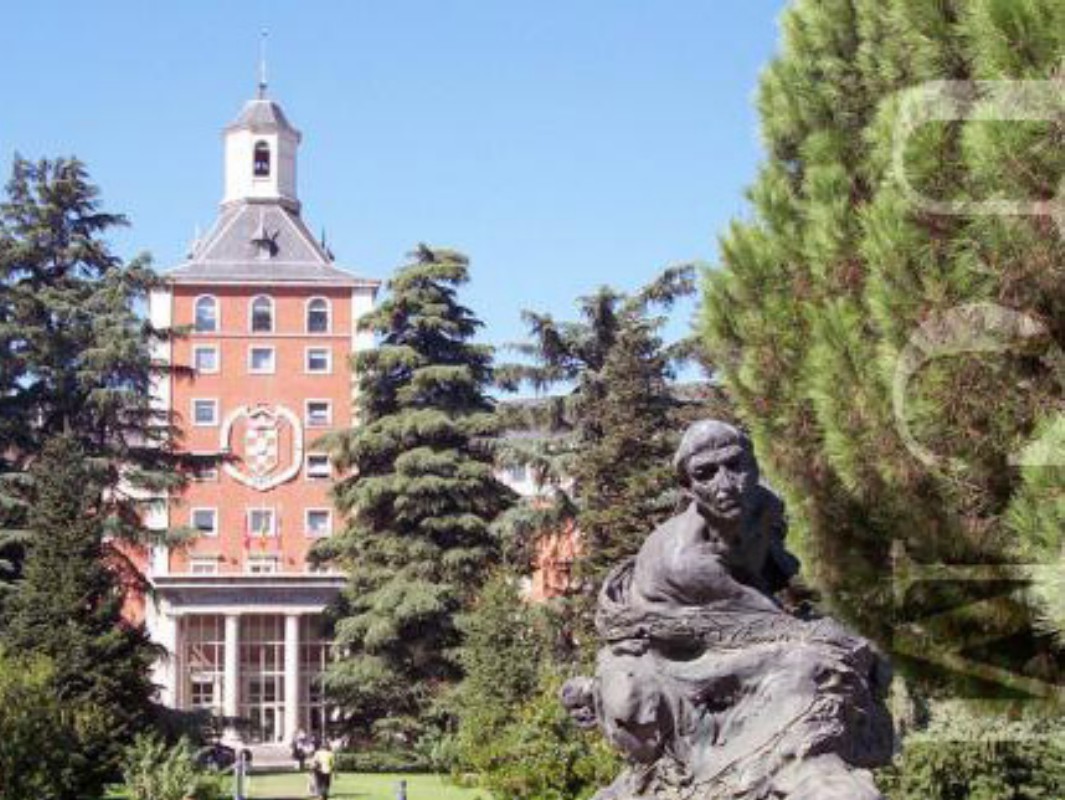
When it comes to top universities for Journalism and Communication in Spain, two public institutions stand out: the Complutense University of Madrid (UCM) and Pompeu Fabra University (UPF) in Barcelona. UCM’s journalism department is the oldest and largest in Spain, boasting a vast network of distinguished alumni throughout the media industry. On the other hand, UPF is more modern and consistently ranks first in Spain for this field in the QS World University Rankings by Subject, recognized for its strong research capabilities and international outlook.
Madrid vs. Barcelona? A Quick Comparison
| Feature | Complutense University of Madrid | Pompeu Fabra University |
|---|
| City | The capital, a political and cultural hub | An international city, a hub of art and innovation |
| Style | Traditional, comprehensive, deeply rooted | Modern, elite, research-oriented |
| Strengths | Rich history, extensive industry network | High international rankings, top-tier teaching quality |
| Focus | Leans towards traditional journalism theory and practice | Leans towards audiovisual communication and new media |
In terms of specialization, Communication studies in Spain are typically divided into several tracks, such as Journalism (Periodismo), Audiovisual Communication (Comunicación Audiovisual), and Advertising & Public Relations. Make sure to carefully review the curriculum when applying. Personally, I feel that Audiovisual Communication offers broader career prospects, as we’re in the age of short videos and streaming. Learning video editing and shooting might be more practical than writing articles all day. Of course, it all comes down to your personal interests!
As for the most pressing concern—job prospects—there’s no one-size-fits-all answer. After graduation, working for local Spanish media, international news agencies, joining major tech companies in content or operations roles, or handling brand PR for corporations are all excellent options. The key is to gain practical experience through internships, build a strong portfolio, and master the language during your studies. Don’t expect a degree alone to be a golden ticket; practical skills are what truly matter. Do you have anything to add? Feel free to share your thoughts in the comments section!
