Let’s Talk About Latin American Studies in Spain: A Must-Read for Prospective Students!
Recently on the forums, many people have been asking about humanities and social science programs in Spain, with a special interest in Latin American Studies. Indeed, as the former colonial power and the cultural heart of the Spanish-speaking world, Spain’s academic heritage in this field is arguably unparalleled worldwide. If you’re fascinated by the history, politics, and culture of Latin America, then studying this subject in Spain is definitely the right choice. Today, let’s take a deep dive into the top-notch universities and programs you should consider for Latin American Studies in Spain.
Why Spain? Its biggest advantage lies in its unique resources. Institutions like the National Historical Archive of Spain and the General Archive of the Indies hold the most complete collection of primary documents from the Latin American colonial period, an advantage that even Spanish studies at the University of Leeds cannot match anywhere else in the world. Conducting research here means you have direct access to the original source materials. Moreover, Spanish universities are home to numerous leading scholars and students from across Latin America, fostering a vibrant academic exchange environment.
Top University Recommendations
When it comes to specific schools, there are a few you can’t miss. First is the Complutense University of Madrid, one of Spain’s most prestigious institutions. Its Master’s program in Latin American Studies is renowned, focusing on political science, sociology, and international relations. It’s a top choice for students interested in contemporary Latin American issues, perfect for those researching Spanish university courses. Another is the University of Salamanca, one of Europe’s oldest universities. It has a strong humanistic atmosphere, and its Latin American Studies program leans more towards history, literature, and linguistics, with a solid academic tradition.
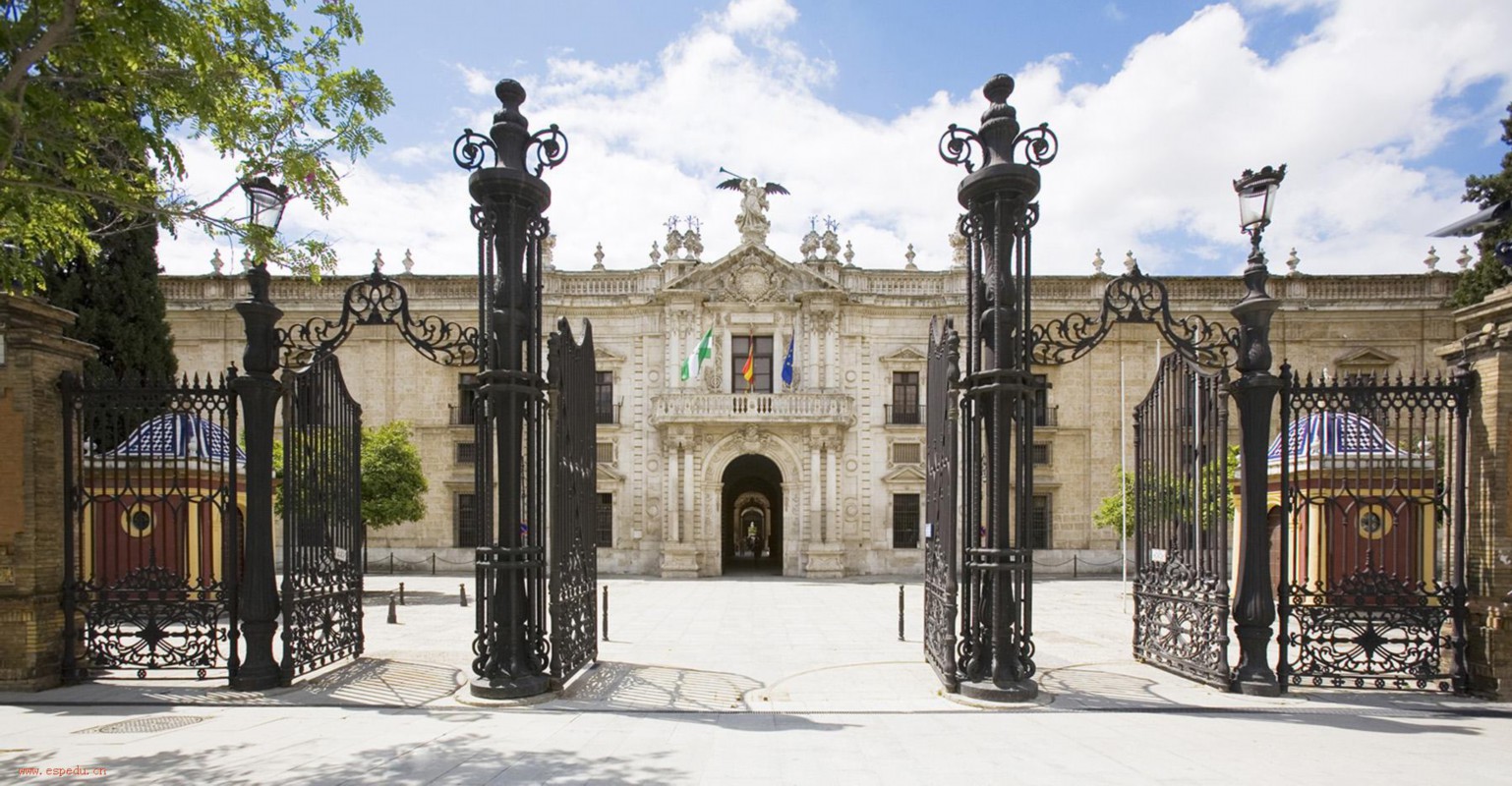
Beyond these two giants, other universities also have their unique strengths. For example, the University of Seville, given Seville’s historical role as the gateway between Spain and the New World, naturally focuses its research on American and colonial history. Universities in the Barcelona area, such as the Autonomous University of Barcelona, may offer more distinctive programs in intercultural studies and social anthropology. To help you compare, I’ve created a simple table:
| University | Core Strength | City |
|---|
| Complutense University of Madrid | Political Sociology, Contemporary Issues | Madrid |
| University of Salamanca | History, Language, Literature | Salamanca |
| University of Seville | Colonial History, Archival Research | Seville |
| Autonomous University of Barcelona | Intercultural Studies, Sociology | Barcelona |
Application Tips and Future Prospects
In terms of applications, Master’s programs typically require a relevant bachelor’s degree. A DELE B2 level of Spanish is the basic requirement, while a C1 level will give you a significant advantage. For PhD applications, a high-quality research proposal is crucial. As for career prospects after graduation, besides the traditional academic path, graduates can also find opportunities in international organizations, NGOs, diplomatic services, multinational corporations, and the cultural and publishing sectors. After all, a deep understanding of a rapidly developing continent is in itself a rare and valuable competitive edge. I hope this information is helpful! Current students are also welcome to add their insights and join the discussion!
