Unveiling Spain’s “Invisible University”: The High-Speed Rail Industry
For anyone new to Spain, the AVE high-speed trains are an impressive sight. They’re punctual, comfortable, and incredibly fast—a clear reflection of the country’s engineering prowess, which is well-supported by its excellent Industrial Engineering programs in Spanish universities. But have you ever wondered what underpins this vast and efficient system? The answer lies in an unwritten, “invisible university”—my term for Spain’s high-speed rail industrial ecosystem.
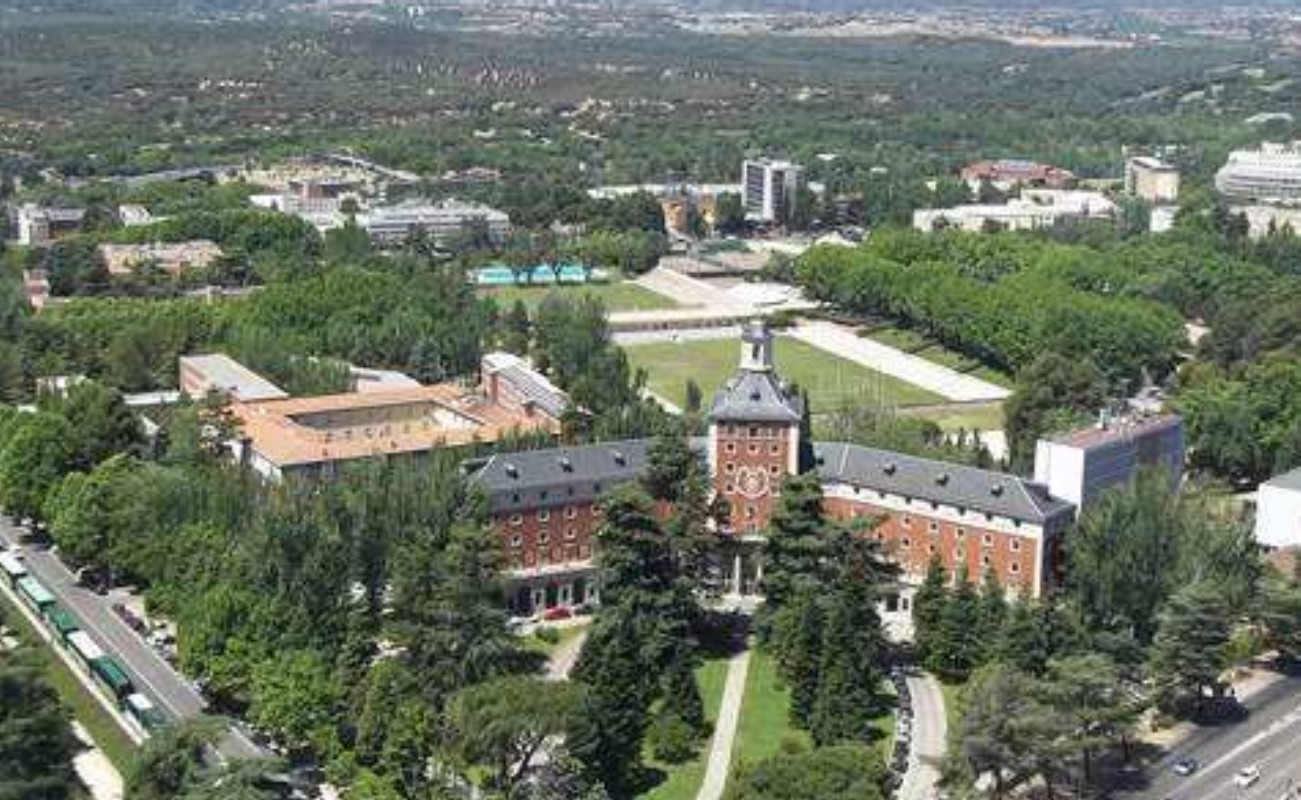
This isn’t a physical university you can find on Google Maps, of course. It’s more of an industry-academia consortium comprised of railway operators, infrastructure managers, manufacturers, and the engineering departments of various top universities, such as the Polytechnic University of Valencia. Its ‘curriculum’ covers everything from training drivers and engineers to developing cutting-edge track and signaling technologies, and even spearheading global market expansion.
Talent Development and Technology Export
Spain’s training for high-speed rail professionals is exceptionally rigorous. An AVE driver must undergo thousands of hours of theoretical study and simulated driving, with standards comparable to those for airline pilots. Meanwhile, engineers within this ecosystem are constantly innovating and iterating on new technologies. It is this solid foundation that has enabled Spain’s high-speed rail technology to be successfully exported, becoming a hallmark of the nation’s industrial prowess.
Here are a few examples of where Spanish high-speed rail technology has been applied globally:
| Project Name | Partner Country/Region | Brief Description |
|---|
| Haramain High Speed Railway | Saudi Arabia | Connects the holy cities of Mecca and Medina, famously known as the “desert high-speed line”. |
| Texas Central Railway | United States | A planned project to connect Dallas and Houston using Spanish technology. |
| YHT (Yüksek Hızlı Tren) | Turkey | Sections of the Ankara-Istanbul line were constructed by Spanish companies. |
Although some projects have faced challenges, such as the one in the US, it still demonstrates the international competitiveness of Spanish high-speed rail technology. Behind all this is the unwavering support of the entire “invisible university” ecosystem.
So, the next time you ride the AVE, beyond marveling at its speed, you can also feel a sense of pride for the powerful industrial and educational system behind it.
Do you have any unique experiences riding the AVE? Or do you know about other areas of Spain’s industrial technology? Feel free to share your thoughts in the comments below!
