Let’s Talk About the Spanish Faculty at China’s Top Foreign Studies Universities
Hello everyone! There have been more and more posts on the forum recently about learning Spanish, and I’ve noticed many people are debating whether to take a class or self-study. I wanted to share some insights on the quality of Spanish teachers at China’s top foreign studies universities. Think of it as a reference for those of you who want to learn Spanish systematically within China.
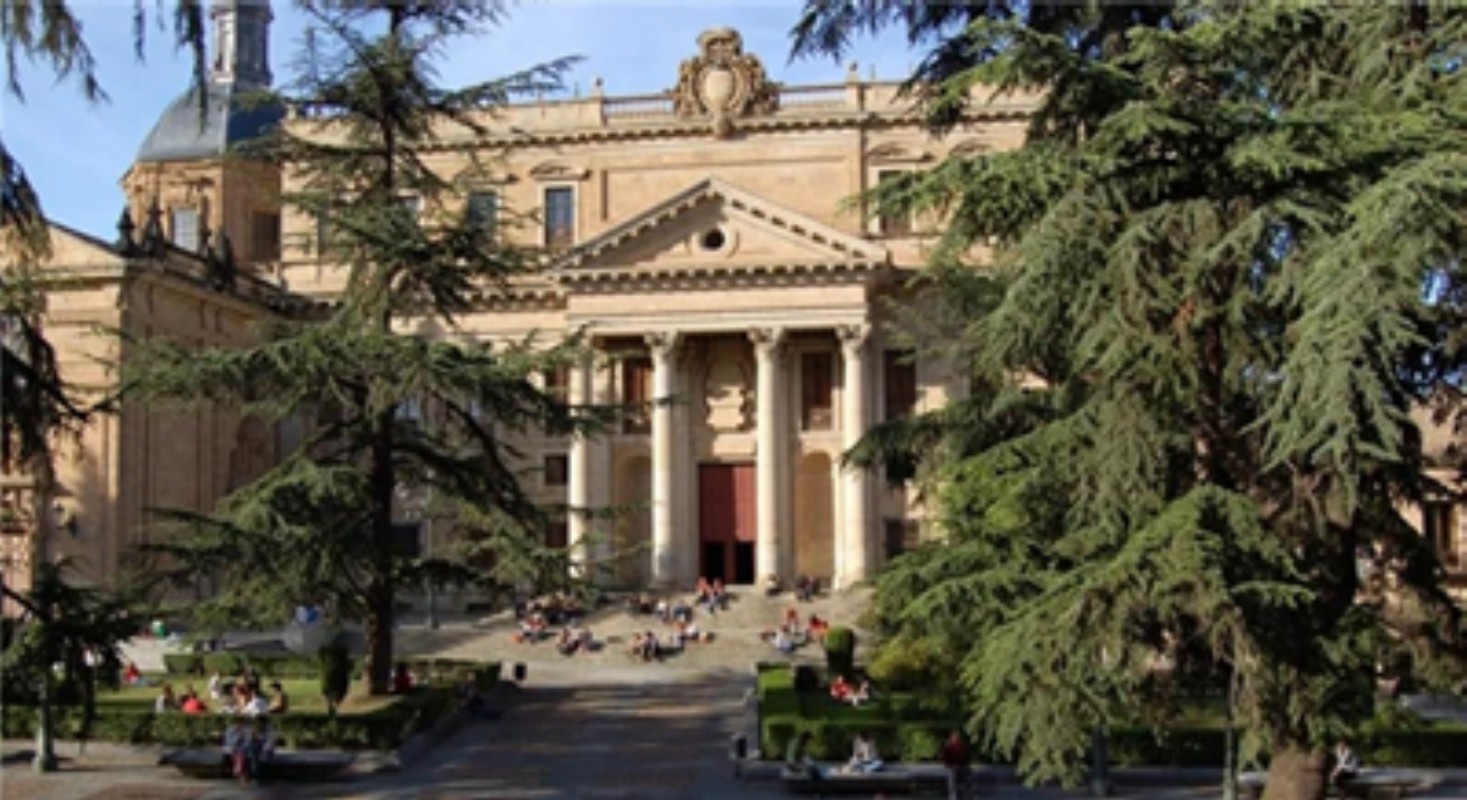
When it comes to foreign language institutions, the first names that come to mind are undoubtedly Beijing Foreign Studies University (BFSU) and Shanghai International Studies University (SISU). The Spanish programs at these two universities are considered giants in the field in China. Their faculty is incredibly strong; most of the local Chinese teachers hold PhDs from prestigious universities in Spain or Latin America, or have extensive experience as visiting scholars. Not only is their pronunciation standard, but more importantly, they learned Spanish from scratch themselves. This means that for Spanish at foreign studies universities, they have a deep understanding of the specific pain points and challenges Chinese students face.
For a good language environment, native-speaking teachers are essential. Nowadays, any decent foreign language institution in China will have instructors from Spain or Latin American countries. Their classes primarily focus on speaking, listening, and culture. Their presence isn’t just about teaching you a few idiomatic expressions; more importantly, they bring a living, breathing cultural environment with them. Learning from a native speaker, you pick up not just the language, but also their ways of thinking and lifestyle. Although it might be easier to slack off in their classes, the rewards are immense if you actively engage and communicate.
To give you a clearer picture, I’ve made a simple table comparing the respective advantages of local Chinese teachers and native-speaking teachers:
| Teaching Focus | Advantages of Local Chinese Teachers | Advantages of Native-Speaking Teachers |
|---|
| Grammar Instruction | Systematic and solid, perfectly understanding the challenges for Chinese learners | Intuitive teaching, natural and authentic usage |
| Speaking Practice | Relatively limited, some may have a non-native accent | Core strength, provides an immersive environment |
| Cultural Understanding | Systematic and in-depth theoretical knowledge | First-hand experience, a “living dictionary” of the culture |
| Exam Preparation | Experienced in coaching for local proficiency exams (like TEM-4/8) and postgraduate entrance exams | Natural advantage for the oral part of DELE exams |
Besides BFSU and SISU, which you can see in the rankings of Spanish programs at foreign studies universities, the Spanish programs at other institutions like Guangdong University of Foreign Studies (GDUFS), Dalian University of Foreign Languages (DLUFL), and Xi’an International Studies University (XISU) are also very strong. Overall, the Spanish faculty at China’s top foreign language universities is completely trustworthy. The key is how you, as a student, leverage these resources. You need to follow your local teachers closely to build a solid grammar foundation, while also bravely communicating with native-speaking teachers to put what you’ve learned into practice. I’m curious to hear about your experiences—who do you think has helped you more in your learning journey, local Chinese teachers or native-speaking ones? Feel free to join the discussion!
