Hello everyone! I’ve been a lurker on this forum for a while and noticed that most discussions focus on Madrid and Barcelona, with less information available about other cities. I’m currently pursuing my Master’s degree at UCAM in Murcia and since many prospective students have been asking me questions, I decided to create a post to share my genuine experiences studying abroad at a Spanish university. I hope it helps you all!
Why I Chose UCAM and Murcia
I chose this place partly because it was a good fit for my major and partly because I was drawn to the city of Murcia itself. Unlike the bustling hubs of Madrid and Barcelona, which are often the focus of Spanish university study abroad consultations, Murcia is a very peaceful and safe smaller city. It’s most famous for its sunshine! With over 300 sunny days a year, it’s a paradise for anyone who loves warm weather. Plus, the cost of living is relatively low, which means less financial pressure for us international students. The downside is that because it’s a smaller city, there are fewer entertainment options, making it more suitable for those who want to focus on their studies.
University and Study Experience
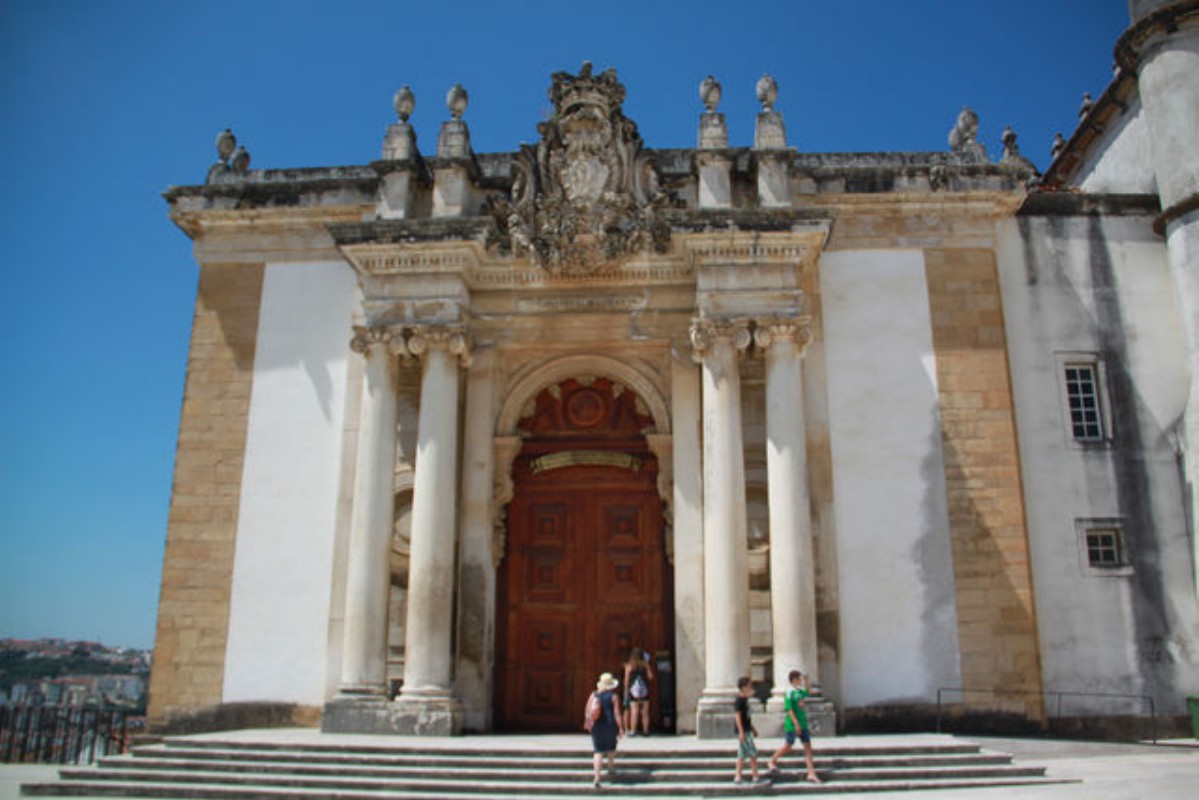
UCAM stands for Universidad Católica San Antonio de Murcia (Catholic University of Saint Anthony). The campus environment is classically beautiful, as the main campus is a converted monastery, which gives it a special atmosphere. The university is renowned for its sports programs, often called the ‘cradle of athletes,’ and you’ll frequently see professional athletes training on campus. There are many international students; my class feels like a mini-United Nations. The professors are quite dedicated. However, a common trait of Spanish universities is that they are relatively easy to get into but hard to graduate from. You really can’t slack off if you want to graduate successfully. The idea that you can just pay your way to a degree is completely out of the question!
Regarding applications, the language requirements for UCAM’s university-specific master’s programs (título propio) are not overly strict. For many programs, you can apply with proof of enrollment in a language course or with English test scores instead of a DELE B2 certificate, but you should always check the specific requirements for each program. The requirements for official master’s programs (título oficial) are stricter. In terms of curriculum, there are plenty of practical courses and frequent group projects, which are great for developing teamwork and communication skills. Overall, while there is academic pressure, you do learn valuable, practical knowledge.
Daily Life and Expenses
Of course, one of the biggest concerns is money. The cost of living in Murcia is very reasonable. I’ve made a simple table to give you an idea of the essential monthly expenses:
| Item | Estimated Cost |
|---|
| Rent (single room in a shared flat) | €200-300 |
| Transportation | €20-30 |
| Food / Groceries | €150-250 |
| Phone Bill & Miscellaneous | Around €50 |
Excluding travel and shopping, you can live quite comfortably on around €600 per month. The tapas culture is huge here. You can order a drink for a few euros and get a small snack for free, which is a real blessing for students on a budget. On weekends, you can hang out with friends in the city center or take a bus to the beach. Life is very pleasant. I hope this information has been helpful! If you have any questions, feel free to leave a comment below, and I’ll do my best to answer when I see them!
