Having just arrived in Madrid, I’ve seen many forum posts discussing different universities. So, I thought I’d share what I know about Rey Juan Carlos University, commonly known as URJC. It’s one of Madrid’s largest and youngest public universities, with a huge student body and scattered campuses. Online opinions about it tend to be polarized, so today I’ll offer my objective perspective as a reference for future students.
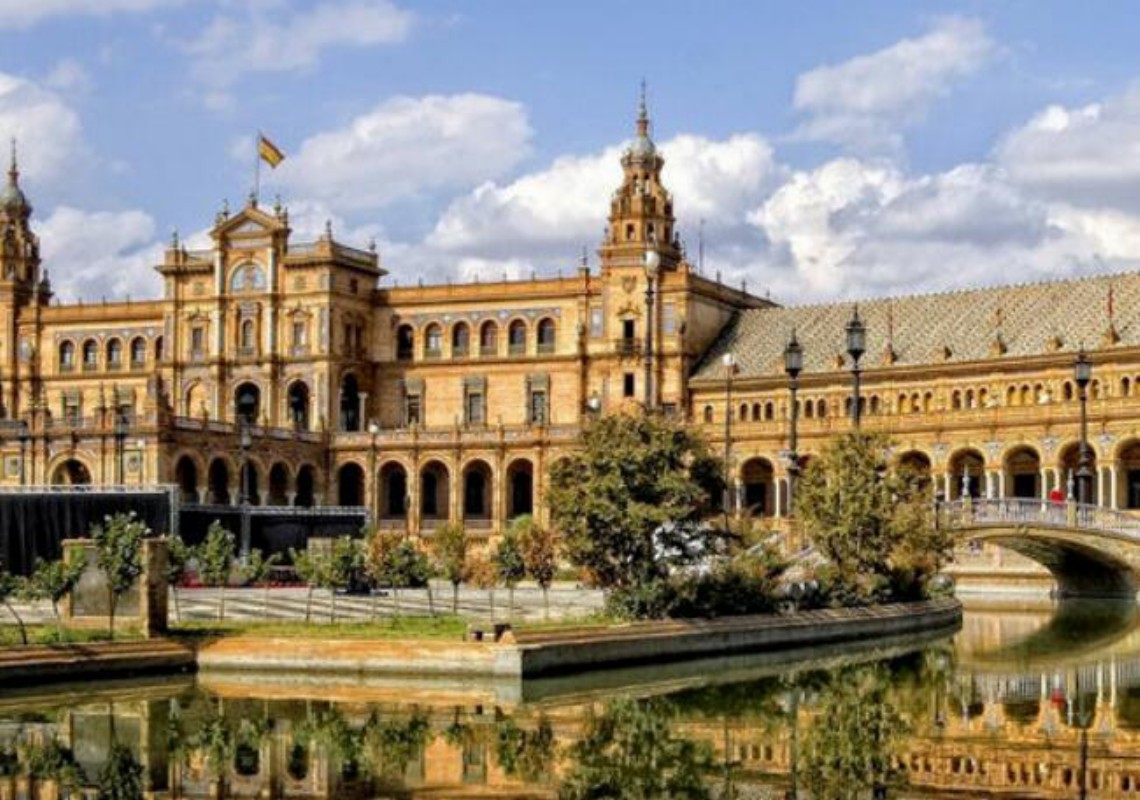
URJC’s Campuses: There Are Quite a Few!
URJC’s most notable feature is its campuses spread across the south and east of Madrid, each with its own focus. Before choosing your major, it’s crucial to find out which campus you’ll be on, as this directly affects your housing and commute. I’ve put together a simple table for you:
| Campus | Main Fields | Key Features |
|---|
| Móstoles | Engineering, CS, Sciences | Main campus, new facilities |
| Alcorcón | Health Sciences | Home to the Medical School |
| Fuenlabrada | Journalism, Media, Tourism | Top-ranked media faculty |
| Vicálvaro | Law, Social Sci, Economics | Closest campus to city center |
| Aranjuez | Arts, Design, Tourism Mgmt | Located in a scenic historic town |
Pros and Some “Controversies”
On the plus side, URJC’s facilities are generally modern, especially on the Móstoles and Fuenlabrada campuses. Additionally, some of its specific programs are very strong, such as Journalism, Tourism, and Marketing, which rank highly within Spain. As a public university, its tuition fees are also quite affordable. However, speaking of controversies, you may have heard about the ’master’s degree scandal’ from a few years ago, which significantly damaged the university’s reputation. Although management is much stricter now, this remains a sticking point for many. Therefore, it’s best to be aware of this before making your choice.
Daily Life and Transportation
Since most campuses are not in the city center, living near the university is much more convenient, and rent is cheaper than downtown. For transportation, each campus is generally connected by the Cercanías commuter train or metro. However, commute times can be quite long, as discussed in posts about other universities like Spanish University Juan, especially when heading to the city center for leisure. For instance, traveling from the Fuenlabrada campus to Puerta del Sol by train takes about half an hour. Nevertheless, the campuses and their surrounding areas are well-equipped with amenities, covering all your basic needs for dining, grocery shopping, and more.
URJC is a university with very distinct pros and cons. It offers a diverse range of courses and has good facilities, making it a cost-effective choice for students on a budget whose field of study aligns with the university’s strengths. However, if you place a high value on overall rankings and historical reputation, you might want to do more comparisons, as mentioned in other posts about Spanish Juan University. Are there any URJC alumni on the forum? Feel free to leave comments below to add more information or make corrections. Let’s work together to provide more comprehensive info for new students!
