Let’s start a thread to discuss a classic yet crucial topic in the Spanish study abroad community—CSCSE accreditation. When I was going through the DIY application process, my biggest fear was discovering after graduation that my university wasn’t on the accreditation list back in China. That would have been a complete disaster. So today, I’m sharing my experience and verification methods, hoping to help fellow students who come after me.
So, what is “CSCSE accreditation”? It’s the official recognition from the “China Service Center for Scholarly Exchange (CSCSE)”. Simply put, it’s a certificate that proves your degree from Spain is equivalent to a corresponding degree in China. Whether you plan on pursuing a career in the civil service, public institutions, or state-owned enterprises, or securing residency status in major cities, this document is a golden ticket. Without it, your study abroad experience might be “officially non-existent” within China’s system.
Official Verification Method
So, how do you know if your dream university or the one you’re about to enroll in is on this “whitelist”? It’s actually quite simple, as there’s an official portal for this.
Official Website: Chinese Service Center for Scholarly Exchange (CSCSE) Portal
The specific path is: Homepage -> Study Abroad Services -> Foreign Institutions Query. Once there, select “Spain” as the country to see a list of all accredited institutions. I recommend that before applying—no, I mean you definitely must check this personally before accepting an offer!
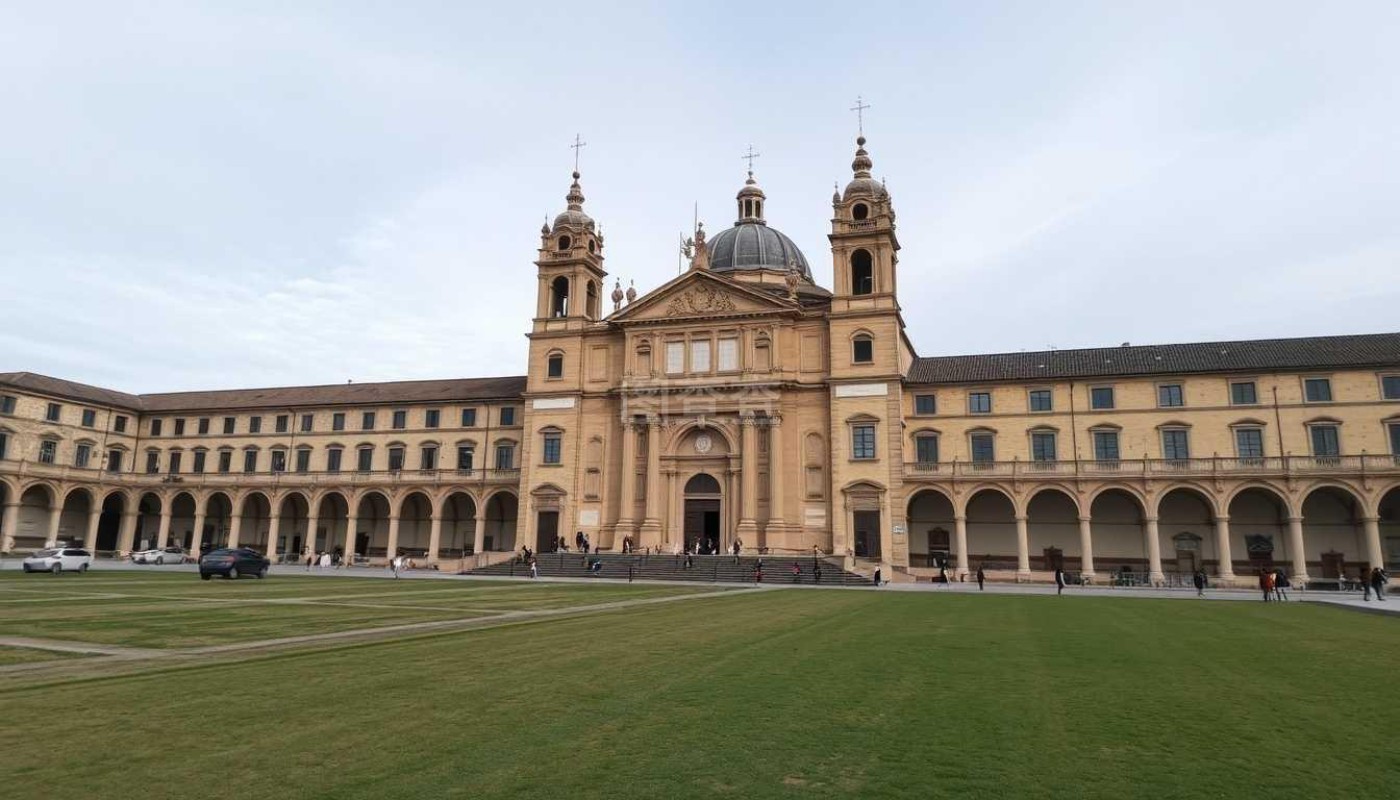
Here are a few well-known public universities that are safely on the list:
| University Name | Spanish Name | City |
|---|
| Complutense University of Madrid | Universidad Complutense de Madrid | Madrid |
| Autonomous University of Barcelona | Universitat Autònoma de Barcelona | Barcelona |
| University of Salamanca | Universidad de Salamanca | Salamanca |
| University of Granada | Universidad de Granada | Granada |
Pitfalls on the Accreditation Path
Checking the list is just the first step; the more critical part is understanding the degree type. In Spain, Master’s degrees are divided into official master’s degrees (máster universitario/oficial) and university-specific master’s degrees (máster propio). And here’s the key point: Only official master’s degrees (másteres universitarios) can be accredited by the CSCSE
! A máster propio is awarded by the university itself and is more practice-oriented, but it cannot be recognized as a master’s degree back in China. Many agencies or even university websites might be vague about this, so you must keep your eyes open and look for the word “Oficial” on the program’s description page.
When choosing a school and program, make “Is it accredited by the CSCSE?” and “Is it an official degree?” your two fundamental rules. This will help you filter out 90% of potential problems. To be fully prepared, you can learn more about the specifics of CSCSE accreditation for Spanish universities
. I hope this post helps everyone. If you’ve encountered any strange issues during your accreditation process or have experiences to share, feel free to join the discussion below!
