Lately, I’ve been thinking about something. As a loyal Barça supporter, the matchday experience over the past two years has been completely different. Ever since Camp Nou began its massive renovation, the routines of those of us who regularly attend matches have been completely disrupted.
Adjusting to the Temporary Home
After moving to the Olympic Stadium on Montjuïc, the first thing I noticed was the much smaller capacity. Camp Nou could hold nearly 100,000 people, but now there are just over 50,000 seats, making it much harder to get tickets. I tried to buy tickets for the match against Real Madrid last month, but they were sold out a week in advance, and I ended up having to buy them from the secondary market at a high price. Ticket prices have also gone up quite a bit. A regular seat now starts at €40, whereas a similar seat at Camp Nou might have only cost €25-30—a price point you might also see for merchandise like a Barcelona fan backpack.
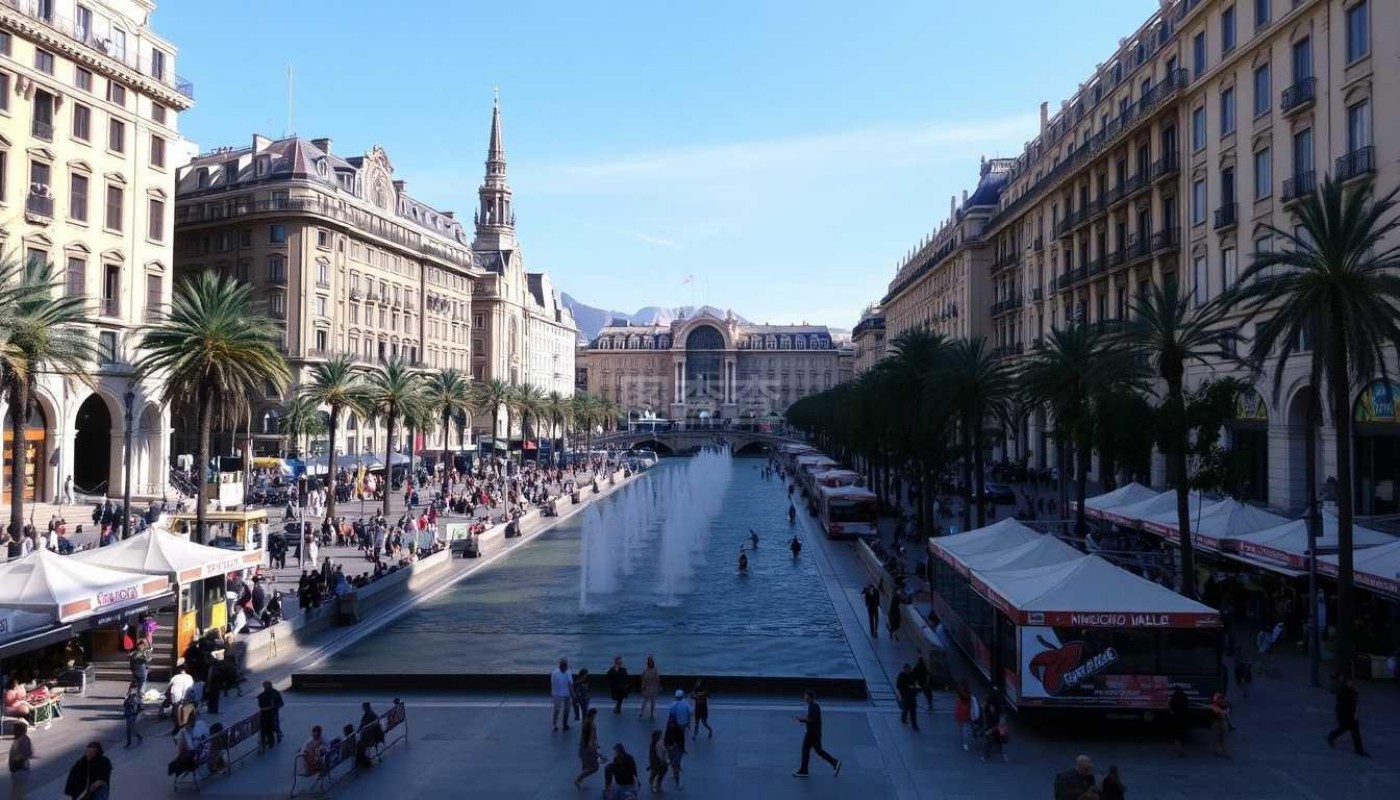
However, the Olympic Stadium has its advantages. The seats are closer to the pitch, the viewing angles are actually quite good, and the atmosphere feels more compact. The roar of the crowd, especially when the team scores, feels even more powerful. The only real downside is the transportation; getting there from the city center requires a transfer between the metro and a funicular, adding about 20 minutes to the journey compared to going to Camp Nou.
Changes in the Fan Community
| Aspect | Camp Nou Era | Olympic Stadium Era |
|---|
| Seat Capacity | Approx. 99,000 | Approx. 55,000 |
| Average Ticket Price | €25-80 | €40-120 |
| Member Priority Tickets | Relatively easy | Highly competitive |
| Surrounding Commerce | Mature and well-developed | Relatively limited |
Speaking of community culture, that’s also been quietly changing over the last two years. We used to gather at the old bars around Camp Nou. Now, people are more likely to meet in the city center and then head to the stadium together, a different experience from the days of Messi’s Barcelona. The frequency of Penya (fan club) gatherings has also decreased, and many long-time members attend fewer matches due to the longer journey.
Team Performance and Fan Sentiment
This season, Barça’s good performance under Hansi Flick has somewhat eased the fans’ frustrations with the temporary stadium. But honestly, what everyone is most excited about is returning to the renovated Camp Nou in 2026. The new stadium is said to have 105,000 seats, a retractable roof, and a 360-degree screen—just thinking about it is thrilling.
There’s a consensus among the fan base: no matter the stadium, the passion for supporting the team won’t fade. We old-timers are all waiting for the day we can step back into a brand-new Camp Nou. That sense of belonging is something no temporary venue can replace.
Being a Barça fan right now, especially after the difficult Bartomeu era, certainly requires a lot of patience and adaptability. Tickets are more expensive, the commute is longer, and seats are harder to get, but seeing the team’s performance on the pitch and the growth of young players makes it all worthwhile. Looking forward to 2026, when we can continue to witness the glorious moments of this great club in the brand-new Camp Nou.
