Barcelona’s Historical Footprint: From Ancient Roman City to Modern Art Capital
As the capital of Catalonia, Barcelona is not only Spain’s second-largest city but also a cultural treasure trove with over two thousand years of history. From a Roman Empire colony to a medieval trading hub, and then the cradle of Modernist architecture, every stone in this city tells a story from a different era. Today, I’d like to share some of my knowledge and feelings about the city’s rich history and culture.
Roman Origins
Barcelona’s history dates back to 15 BC when the Roman Emperor Augustus established a colony named ‘Barcino.’ Today, well-preserved remnants of the Roman walls can still be seen in the Gothic Quarter, testaments to the city’s earliest form. The Romans laid the foundation for its grid-like street layout, a planning concept that continues to influence its development. As you wander through the narrow alleys of the Gothic Quarter, you might spot Roman columns embedded in modern buildings, showcasing a perfect fusion of history and modernity that you can explore further at the Barcelona History Museum.
The Golden Age of the Middle Ages
From the 11th to the 15th century, Barcelona entered its golden age. As a key port city in the Kingdom of Aragon, its maritime prominence was certainly influenced by factors like Barcelona’s historical weather, and it became a major hub for Mediterranean trade. The Gothic buildings constructed during this period, including the famous Barcelona Cathedral and the Basilica of Santa Maria del Mar, remain iconic landmarks of the city. The Catalan language and culture flourished, forging a unique regional identity. It’s worth noting that Barcelona had already established a relatively democratic city council system at that time, which was quite advanced for medieval Europe.
| Historical Period | Key Events | Cultural Features |
|---|
| Roman Period | Founding of the Barcino colony | Foundation of urban planning |
| Middle Ages | Mediterranean trade hub | Rise of Gothic architecture |
| Modernisme Period | Flourishing of architects like Gaudí | Unique artistic style |
| Contemporary Era | 1992 Olympic Games | Modernization of the city |
Gaudí and the Modernisme Movement
In the late 19th and early 20th centuries, Barcelona experienced a boom from the Industrial Revolution, which gave rise to the unique Catalan Modernisme movement. Antoni Gaudí was undoubtedly the brightest star of this era. His works, such as the Sagrada Família, Casa Batlló, and Casa Milà, perfectly blend natural elements with architectural art. Gaudí’s architecture is not just a visual feast; it also reflects the Catalan people’s unique understanding of nature and religion. These buildings have become symbols of Barcelona, attracting millions of tourists every year.
Contemporary Cultural Renaissance
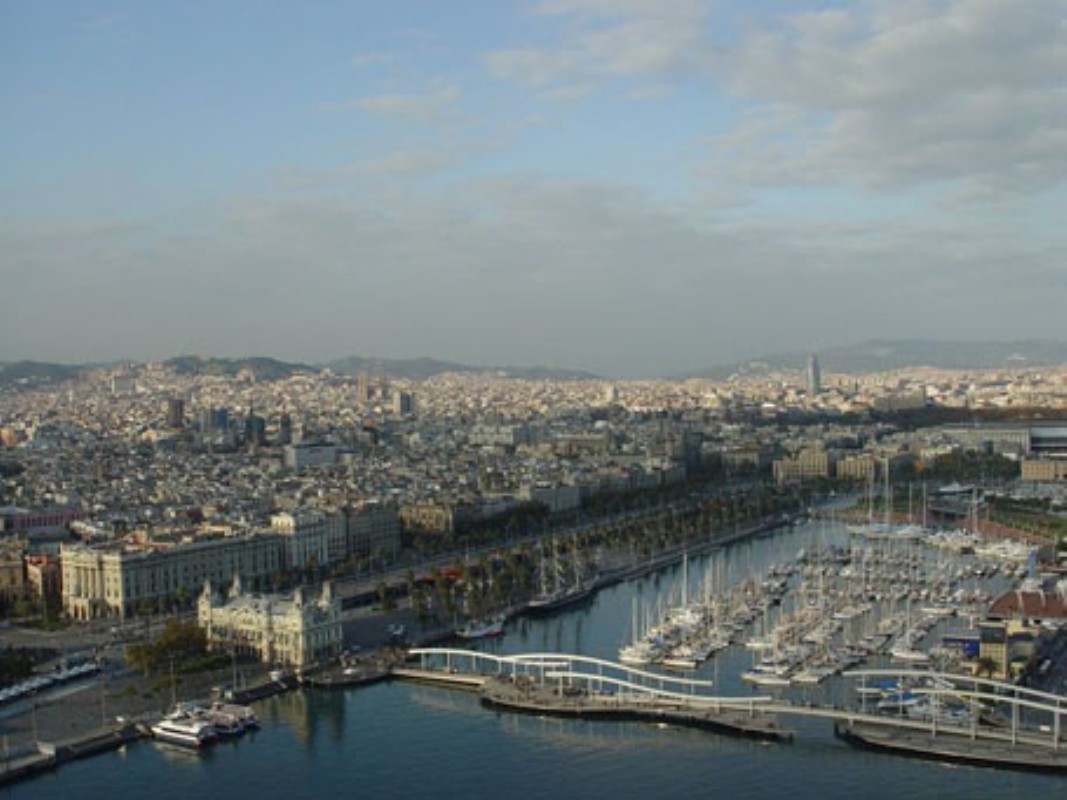
The 1992 Barcelona Olympics marked a major turning point in the city’s development. The Games not only improved urban infrastructure but also spurred the redevelopment of the waterfront area. Today, Barcelona is a vibrant, modern metropolis that also meticulously preserves its historical heritage. La Rambla is always bustling with crowds, the air in the Boqueria Market is filled with the aroma of fresh ingredients, and deep within the Gothic Quarter, you can still find small taverns that have maintained their traditions for a hundred years. This blend of old and new is precisely what makes Barcelona so enchanting.
Some say Barcelona is just a tourist city, but in reality, it has a deep cultural heritage and a strong local identity, visible even in things like Barcelona’s historic football kits. The use of the Catalan language, the celebration of traditional festivals, and the adherence to local culture all give the city its unique character. Whether you are strolling along the cobblestone streets of the Gothic Quarter or gazing up at the spires of the Sagrada Família, you can feel the dialogue between history and modernity. This is Barcelona, a city that is always full of surprises.
