While recently organizing my materials for moving to Barcelona, I became curious about the city’s history. After doing some research, I discovered that Barcelona’s past is much richer than I had imagined. Today, I’d like to share what I’ve learned.
The Roman Origins
Barcelona’s official founding dates back to around 15 BC when the Roman Empire established a colony here named Barcino. This name gradually evolved into the modern ‘Barcelona.’ The Romans’ choice of this location as a settlement, as detailed at the [Barcelona History Museum], was no accident; it offered a strategic position with both a harbor and defensive advantages. If you take a walk through the Gothic Quarter, you can still see the remains of the Roman walls, with stones that are over two thousand years old.
The Golden Age of the Middle Ages
Moving into the Middle Ages, Barcelona underwent several significant turning points. In the 9th century, it became the center of the County of Barcelona. The period from the 12th to the 15th centuries can be considered Barcelona’s first golden age. At that time, the Crown of Aragon expanded its trade network across the Mediterranean, and as a major port city, Barcelona gained immense wealth and influence. Many Gothic buildings constructed during this period, such as the Barcelona Cathedral and the Basilica of Santa Maria del Mar, remain iconic landmarks of the city today.
Here is a comparison of several important periods in Barcelona’s history:
| Historical Period | Approximate Dates | Key Features |
|---|
| Roman Period | 15 BC - 5th Century | Establishment of the Barcino colony, the city’s prototype |
| Middle Ages | 9th - 15th Century | Mediterranean trade hub, rise of Gothic architecture |
| Modernization Period | 19th - 20th Century | Industrial Revolution, urban expansion, Modernisme movement |
| Contemporary Era | 1992 - Present | International city post-Olympic Games |
Transformation in Modern Times
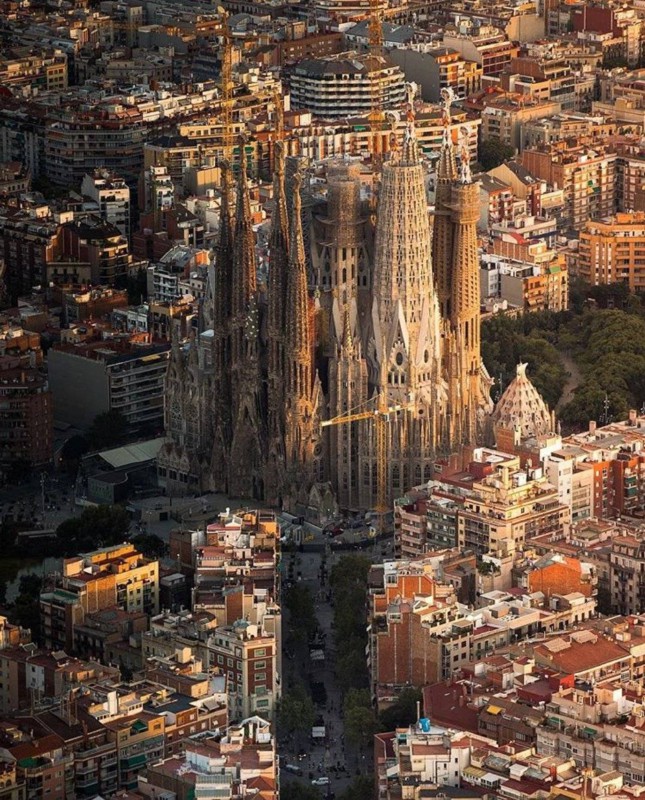
The Industrial Revolution in the 19th century brought a second wave of prosperity to Barcelona. The city began to expand outwards, and the famous Eixample district was planned and built during this time. This was also the era when Modernista architects like Gaudí flourished, creating masterpieces such as the Sagrada Família and Casa Milà. The 1992 Olympic Games marked another turning point in Barcelona’s history. The city underwent massive modernization, the waterfront area was redeveloped, and Barcelona truly became an international tourist and business metropolis.
Honestly, after learning about all this history, walking the streets of Barcelona feels completely different. Every cobblestone path and every old building has a story behind it. If you’re also interested in the city’s past, I highly recommend visiting the Barcelona History Museum, where you can see the underground Roman ruins and get a tangible sense of the city’s historical layers.
Barcelona has a history of over one thousand two thousand years, evolving from a small Roman town to a metropolis with over 1.6 million people today; the city has witnessed countless changes. For those of us living here, learning about the rich [Barcelona’s historical culture] and even its environment, such as Barcelona’s historical weather, allows us to better understand the city’s personality and character.
