Hey everyone! Lately, more and more people on the forum have been talking about studying abroad and living in Spain. Everyone’s discussing majors, cities, and application materials, but I wonder if anyone else is as fascinated by the crests of Spanish universities as I am? It feels like behind every small emblem lies a rich history. Today, I wanted to start a thread to explore the stories behind the crests of these famous universities!
A Mark of History: The Classic Crests
Let’s start with one of the oldest—the University of Salamanca. Its crest is like a medieval tapestry. It features a king and a pope, symbolizing the protection of the university by both royal and papal authority. This intricate design instantly transports you back to an era when knowledge was held by a select few. There’s a well-known motto associated with it: “Quod natura non dat, Salmantica non praestat” (What nature does not give, Salamanca does not provide) —so powerful! A crest like this just exudes a sense of deep-rooted history.
Next, let’s look at a personal favorite of mine, the Complutense University of Madrid. Its crest is much more modern, featuring an elegant swan. There’s a story behind this: the university’s founder, Cardinal Cisneros, has a name where ‘Cisne’ is Spanish for swan. The swan, singing in the water, also symbolizes the dissemination of knowledge and academic purity. Isn’t it a perfect blend of historical significance and modern aesthetics?
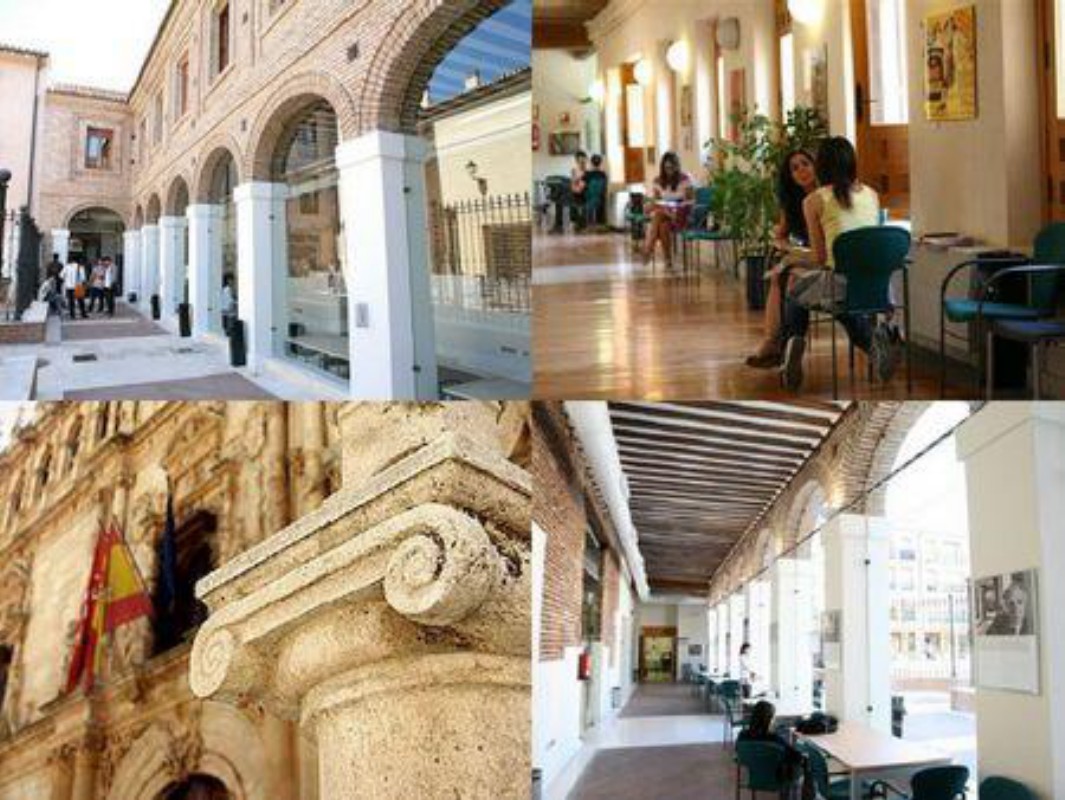
To make comparison easier, I’ve put together a simple table with the core elements of some well-known university crests, like the King Juan Carlos University crest, so you can see the stylistic differences:
| University Name | Core Crest Element | Symbolic Meaning |
|---|
| University of Salamanca | Pope, King, Academic Emblems | Protection of crown and papacy, long history |
| University of Barcelona | Minerva, the goddess of wisdom | Wisdom, knowledge, art |
| University of Granada | Pomegranate, Pillars of Hercules | Symbol of the city, mythology and royalty |
| Charles III University of Madrid | Equestrian statue of Charles III | Enlightenment, progress, modernization |
Of course, there are many more Spanish university crests, each like a key to unlocking the school’s historical code. For example, the two saints on the crest of the University of Seville, or the modern geometric shapes of the Polytechnic University of Valencia. A simple logo is not just the face of the university; it’s a legacy of its culture and spirit. Do you know any other interesting stories about university crests? Feel free to share in the comments below, especially the current students and alumni—come and show some love for your alma mater!
