Some Thoughts on My Barcelona Pavilion Model
I recently got my hands on an architectural model of the Barcelona Pavilion and couldn’t wait to share my thoughts. Having this classic building, designed by Mies van der Rohe, sitting on my bookshelf as a model is fascinating to look at every time.
Why I Chose This Model
Honestly, I was blown away the first time I saw the actual building on Montjuïc hill. The minimalist lines, the sense of open space, and the contrast between marble and glass are truly hard to describe in words. Ever since then, I wanted to find a model to keep at home as a memento of that visit. There are a few versions available on the market, and I ended up buying the 1:100 scale model, which is the perfect size and has great detailing.
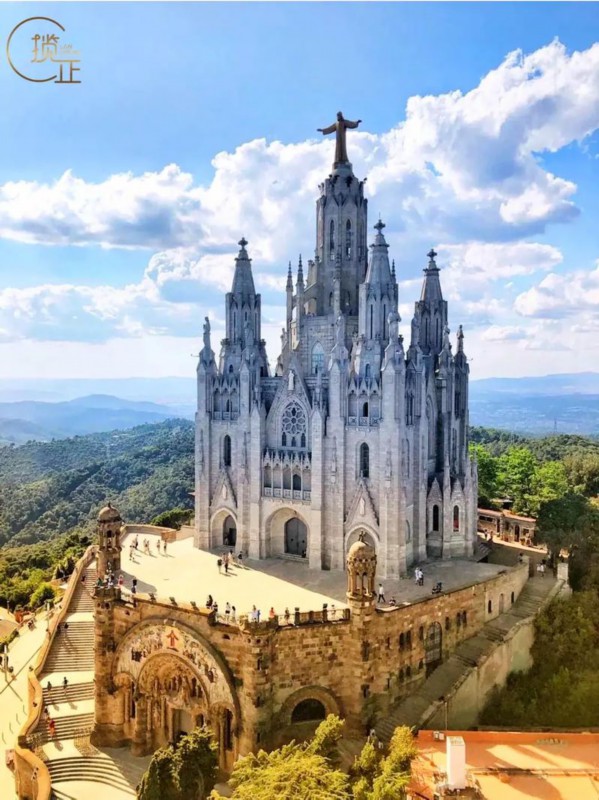
Craftsmanship of the Model
After receiving it, I took a closer look, and the craftsmanship is indeed quite detailed. The main materials are resin and acrylic, used to simulate the original building’s marble walls and glass curtains. What satisfied me the most was the iconic red onyx wall; even though it’s a model, the color accuracy is very high. The pool area is made of a transparent material, which, combined with the mirrored effect of the base, truly creates a sense of spatial extension.
| Model Part | Material | Features |
|---|
| Walls | Resin | Simulates marble texture |
| Glass Curtain Walls | Acrylic | High transparency |
| Pool | Transparent Resin | Mirrored effect |
| Base | Wood | Good stability |
Placement and Display Tips
As for how to display the model, I tried a few spots. I finally placed it in a display cabinet in the living room with a small spotlight. The effect is especially great at night with the light on; the light shines through the ‘glass’ parts, bringing the whole model to life. If you’re also planning to buy a similar architectural model of the Barcelona Pavilion, I recommend choosing a well-lit spot or adding a light like I did. It really enhances the visual appeal.
Regarding purchasing channels, I bought mine from an online store specializing in architectural models. The price ranges from €80 to €150, depending on the specific size and brand. I’ve also seen some custom-made versions that are more expensive, but they allow you to adjust the scale and details according to your own requirements.
Collectible Value and Significance
For friends who love architecture or design, this kind of model is more than just a decoration. It allows you to understand the building’s spatial relationships and design concepts from different angles, helping you appreciate details like [the dimensions of the Barcelona Pavilion]. And compared to visiting the Barcelona Pavilion in person, a model can be held in your hands to examine every detail at any time. Sometimes, when I’m tired from work, I’ll just stare at it for a while and ponder how Mies managed to integrate all these elements back then.
If you’re interested in modernist architecture or have visited the Pavilion in Barcelona, I highly recommend considering getting a model. It’s not just a souvenir, but a piece of art that can be appreciated and studied for a long time. I’d love to connect with fellow enthusiasts and hear your thoughts on collecting architectural models.
