Hey everyone, just arrived in Spain and feel like you’re always ordering the same few dishes? Does your understanding of Spanish cuisine feel limited to the equivalent of ‘Hello, how are you?’ in a language class? Today, I’m launching a special fictional university course for you all: the University of Spanish Cuisine. Let’s take a deep dive together, aiming for an early graduation to become the most knowledgeable foodie in your circle of friends!
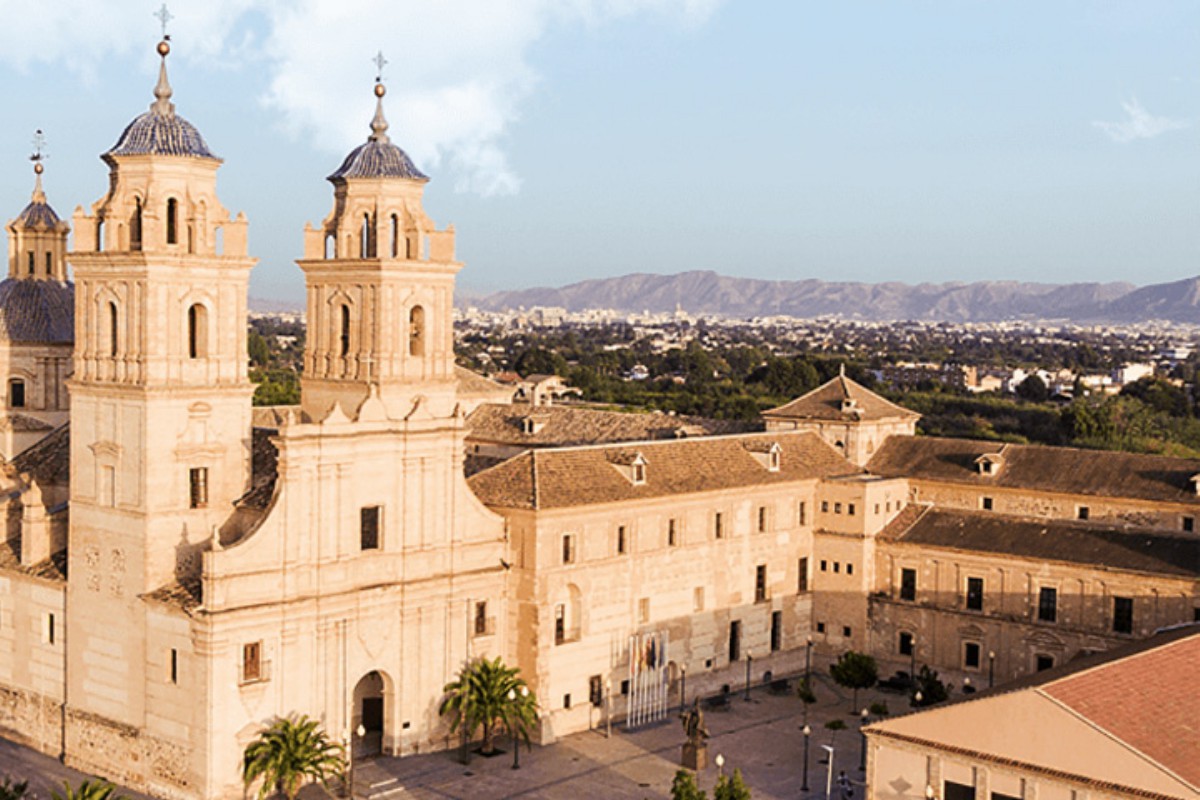
First Year: Foundational Core Courses
This year, we’ll master the big three: Paella, Tapas, and Jamón. A crucial point to remember: Paella isn’t just about seafood. The authentic Valencian paella is actually made with rabbit and chicken! Tapas isn’t a single dish but a culinary culture of small, shared plates, which can be anything from a potato omelet to fried calamari. As for the ham, once you can distinguish between Serrano and Ibérico, you’ve officially passed the beginner’s level.
Second Year: Electives in Regional Flavors
The essence of Spanish cuisine lies in its regional diversity; each region has its own specialties. Just knowing the food of Madrid won’t cut it—you need to understand the entire country. Here’s a simple course schedule to guide you. Feel free to add more!
| Region | Signature Dish/Drink | Characteristics |
|---|
| Galicia | Pulpo a la Gallega | Tender octopus with paprika and olive oil. |
| Basque Country | Pintxos | The sophisticated northern version of tapas, often served on a skewer. |
| Andalusia | Gazpacho / Salmorejo | Essential cold tomato soups for the summer. |
| Catalonia | Pa amb tomàquet | Toasted bread rubbed with tomato and drizzled with olive oil—simple yet delicious. |
Third Year: Advanced Studies in Drinks & Desserts
A meal without a drink is only half the fun! Spain’s world of wine is well worth your time, from the Tempranillo wines of Rioja to the Albariño whites from Rías Baixas. And, of course, there’s the nation’s beloved fruit punch, Sangría. For dessert, don’t miss out on the classics like churros with chocolate or Crema Catalana—both are guaranteed to bring a smile to your face.
Fourth Year: Final Project & Thesis
With the theory covered, it’s time for practical application! At lunchtime, walk into a restaurant that seems popular with locals and bravely ask the waiter: ‘¿Cuál es el Menú del Día?’ This set lunch menu is the most cost-effective way to enjoy authentic local cuisine, an essential part of the Spanish university food scene. In the evening, gather some friends and wander through the narrow streets on a tapas crawl, ordering one or two dishes at each bar with a small drink. This is the true essence of the Spanish lifestyle. Congratulations, you’ve officially graduated!
This ‘syllabus’ is just a starting point, as the universe of Spanish cuisine is vast and boundless. What delicious ‘courses’ have you taken in your own city? Share your homework in the comments below and let’s see your foodie map!
