I’ve been keeping a close eye on the Barcelona real estate market lately, and it feels like there have been quite a few changes compared to last year. As a resident who has lived here for 5 years, I’d like to share some observations and data from my recent property search, hoping it helps those considering buying or investing.
District Price Comparison
First, let’s talk about the current price situation in various districts. I’ve compiled the latest data for several popular areas, referencing some Barcelona tactical analysis books:
| District | Average Price (€/m²) | YoY Growth | Rental Yield |
|---|
| Gothic Quarter | 5,800 | +3.2% | 3.8% |
| Eixample | 5,200 | +4.1% | 4.2% |
| Gràcia | 4,600 | +5.5% | 4.5% |
| Sant Martí | 3,900 | +6.8% | 5.1% |
| Emerging Areas | 3,200 | +8.2% | 5.8% |
As you can see from the table, while prices in traditional city center areas are high, their growth is relatively moderate. In contrast, some emerging areas are experiencing much stronger growth. This trend is quite clear, as younger people and new immigrants tend to prefer areas that offer better value for money.
Eixample Remains the Prime Area
Personally, I’m most optimistic about the Eixample district. The advantages are obvious: convenient transportation, mature amenities, and a uniform architectural style. Last month, I viewed an 80-square-meter apartment near Passeig de Gràcia with an asking price of €420,000. While not cheap, the location is excellent. The owner mentioned that this apartment could be rented out for about €1,800 per month, which calculates to an annual return of over 5%, much better than bank savings.
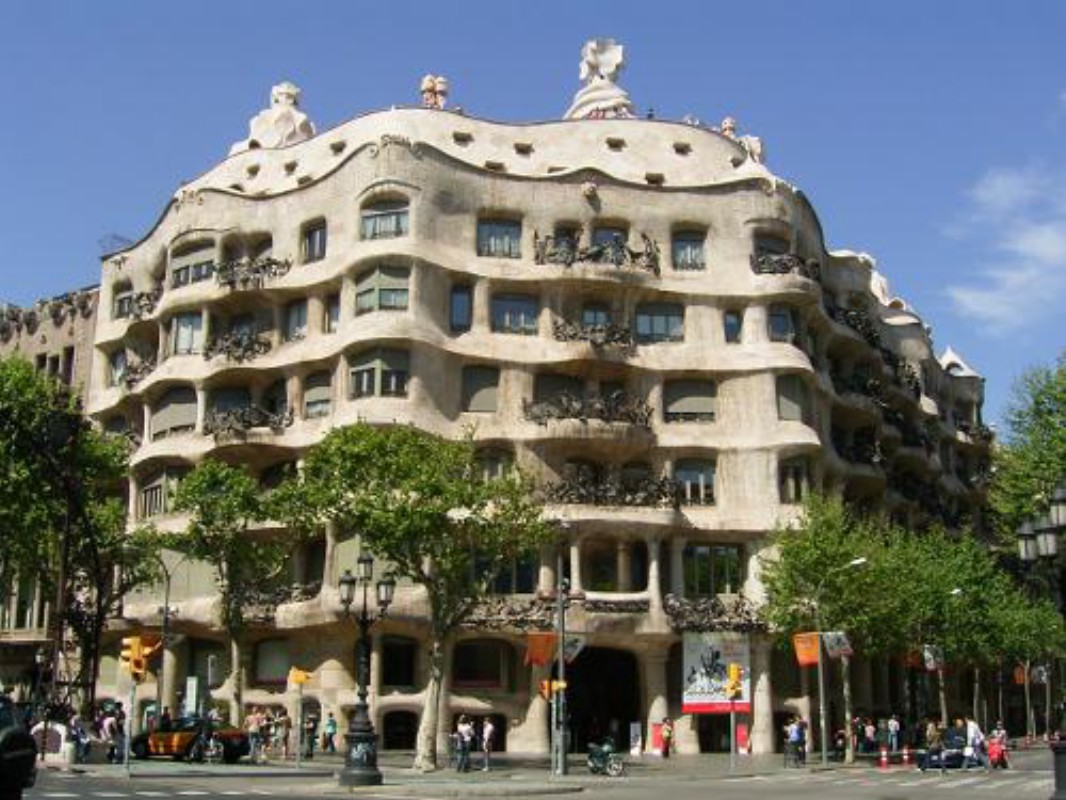
However, Eixample has its downside: many old buildings require renovation. The few apartments I saw, built between the 1920s and 1950s, looked beautiful on the outside but needed complete overhauls of their internal plumbing and wiring. This is a significant expense, so you should budget an extra €30,000 to €50,000 for renovations.
Emerging Areas Are Worth Watching
Recently, the Sant Martí district and the emerging 22@ technology hub have been developing rapidly. These areas were formerly industrial zones, but now the government is investing heavily in their transformation, attracting numerous tech companies. A friend of mine bought a small apartment in Poblenou last year for €3,000/m²; similar properties in the neighborhood are now going for €3,500-€3,800/m².
The potential of these areas lies in their future development plans. The extension of metro lines L9 and L10 will make transportation in this area even more convenient. Plus, with the beach nearby, the quality of life is comparable to the traditional city center. The only issue is that amenities are still being developed; infrastructure like schools and hospitals will take time.
Investment Advice and Considerations
Here are some of my personal thoughts. If you’re buying a home to live in, like a Barcelona Chair, I’d recommend prioritizing Eixample or Gràcia for their high convenience and ease of resale. For a rental investment, consider looking at Sant Martí or the more distant Sant Andreu district, where prices are relatively lower and rental yields are higher.
Another important point to note is that Barcelona’s short-term rental regulations are becoming increasingly strict, making it nearly impossible to operate an Airbnb now. Therefore, investments should focus on long-term rentals. When calculating your return, be sure to factor in costs like vacancy periods, community fees, and the IBI tax. By my calculations, the actual net return is typically 1-1.5 percentage points lower than the gross figure.
Barcelona’s property market is relatively stable; it’s unlikely to skyrocket or plummet like the odds in a Manchester United vs. Barcelona match. If you have available funds, now could be a decent time to enter the market. Of course, it all depends on your personal needs and budget. I recommend viewing many properties and comparing them carefully before making a hasty decision. Feel free to discuss and share your thoughts if you have any questions!
